
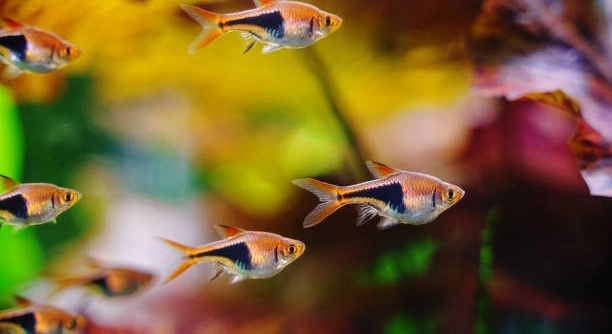
Rasboras are small, peaceful fish often seen swimming near plants in aquariums. They seem to prefer shaded areas where the light is softer and the environment feels calm. Many aquarists notice them lingering quietly among the greenery.
Rasboras tend to stay near plant shadows because these areas offer safety from predators, reduce stress by providing shelter, and help them regulate their activity in lower light conditions. This behavior supports their natural instincts and overall well-being.
Understanding why rasboras choose these shaded spots can improve how you care for them and create a more comfortable home in your aquarium.
Why Rasboras Prefer Plant Shadows
Rasboras feel safer near plants because the leaves and stems provide good hiding spots. In an aquarium, bright open spaces can make them feel exposed and vulnerable. The shadows from plants create a sense of protection, which lowers their stress levels. This helps them stay calm and healthy. Also, plants can soften the light in the tank, making it easier for rasboras to adjust. Their natural habitat often includes shaded areas under plants or debris, so this behavior is instinctive. When they linger in these darker spots, they are more relaxed and can rest without feeling threatened. I’ve noticed that when my tank has plenty of live plants, my rasboras are more active and show better colors. Without plants, they tend to hide more and seem uneasy. It shows how important a planted environment is for their comfort and well-being.
Plants also improve water quality, which benefits rasboras by reducing harmful substances.
The presence of plants in the aquarium creates a balanced environment that mimics the rasbora’s natural habitat. The roots and leaves help filter the water by absorbing nitrates and providing oxygen. This improves the overall tank health, encouraging the fish to spend more time exploring rather than hiding. Additionally, plants serve as a natural food source for some small organisms that rasboras feed on, adding variety to their diet. Providing a planted tank means creating a space where rasboras feel secure and supported, helping them display natural behaviors and vibrant colors. If you want your rasboras to thrive, keeping plenty of plants is a simple but effective step.
The Role of Light and Shade
Rasboras avoid bright light because it can cause stress and discomfort.
Bright aquarium lights may disturb rasboras, making shaded areas under plants the preferred spots. Their eyes are adapted to softer lighting, so they naturally seek shelter where the light is gentler. This helps them feel secure and less exposed to threats. Low light also encourages more natural behavior like schooling and feeding. Creating varying light zones in the tank with plants and decorations allows rasboras to move comfortably between light and shade as needed. This flexibility supports their health and happiness.
Providing a tank setup with dimmer areas and dense plants allows rasboras to find spots that suit their comfort level. The contrast between light and shadow offers them choices for resting or exploring. When they can control their exposure to light, stress levels drop, and their immune system stays stronger. This balance is key to their well-being and longevity. Many aquarists have found that adjusting light intensity and increasing plant cover reduces shy behavior and encourages more active swimming. A well-lit tank without places to hide can cause constant stress for rasboras. Thoughtful lighting combined with plant shade creates a peaceful environment that promotes natural activity and good health.
Plant Shadows as Safe Zones
Plant shadows act as safe zones for rasboras, helping them avoid stress.
The shaded areas created by plants mimic the fish’s natural hiding places. These spots give them a sense of security from potential threats in the tank. Rasboras use these spaces to rest or observe their surroundings without feeling exposed. This behavior is common among small, schooling fish that rely on cover to reduce risk.
When rasboras feel safe, they show more natural behaviors like swimming in groups and feeding actively. Without these shaded zones, they may become withdrawn or hide behind decorations. Providing plenty of plants means the fish have multiple safe areas to retreat to, which improves their overall well-being and encourages more lively tank activity.
Environmental Comfort and Stress Reduction
A comfortable environment lowers stress, making rasboras healthier and more vibrant.
Stress is one of the biggest threats to aquarium fish health. Bright light, lack of hiding spots, and sudden movements can all trigger anxiety in rasboras. When their tank includes plenty of plants, the shadows help reduce these stressors by offering quiet, dark spaces. This makes it easier for them to relax and feel secure.
Lower stress means better immune function and less chance of illness. Fish that feel comfortable tend to have brighter colors and swim more confidently. I’ve seen my rasboras become noticeably more active and social after adding extra plants. The balance of light and shade in the tank helps maintain this comfort daily, creating a peaceful habitat where they can thrive.
Natural Behavior and Instincts
Rasboras naturally seek out shaded areas as part of their survival instincts. These spots help them avoid predators and feel less vulnerable.
Their preference for plant shadows reflects a deep-rooted behavior seen in wild populations.
Impact on Tank Dynamics
When rasboras linger in plant shadows, it influences how they interact with other fish. They tend to form tighter schools in these areas, which boosts their sense of security. This schooling also helps reduce aggression from tank mates and encourages natural social behavior. In a well-planted tank, rasboras feel more balanced and active.
Enhancing Plant Cover
Adding more plants to the aquarium increases shaded zones, benefiting rasboras greatly.
Why do rasboras hide in plants so much?
Rasboras hide in plants because they feel safer there. Plants provide cover from bright light and potential threats in the tank. This makes the fish less stressed and more comfortable. In the wild, they use plants and debris to stay hidden from predators. Even in a safe aquarium, this instinct stays strong. The shadows give them places to rest and observe without feeling exposed. If you notice your rasboras spending lots of time among plants, it usually means they are simply following their natural behavior and feeling secure.
Can too much light harm rasboras?
Yes, too much light can cause stress in rasboras. Bright, constant lighting makes them uncomfortable and can lead to hiding or less activity. They prefer softer, diffused light which is easier on their eyes. Overly strong light can also raise algae growth, affecting water quality. Using a timer for the aquarium light or adding floating plants to soften the light helps maintain a comfortable environment. This balance supports their health and encourages natural swimming and feeding behaviors.
Are live plants better than artificial plants for rasboras?
Live plants are generally better because they improve water quality by absorbing nitrates and producing oxygen. They also create more natural hiding spots and contribute to a healthier tank ecosystem. Artificial plants can provide shelter but lack these benefits. Live plants also encourage more natural behaviors and may even offer food sources like small microorganisms. However, live plants need care and suitable conditions, so choosing hardy species is important if you’re new to planted tanks.
How many plants should I have in a rasbora tank?
A well-planted tank means about 50% to 70% of the aquarium’s surface covered with plants. This ratio offers enough shaded areas without crowding the space. Rasboras appreciate places to hide but also need open swimming zones. You can use a mix of tall plants, mid-height, and ground covers to create layers of shade and shelter. This variety keeps the environment interesting and safe, encouraging your rasboras to explore and stay active.
Will rasboras be stressed without plants?
Yes, rasboras can become stressed without adequate plant cover. Without hiding spots, they may feel exposed and vulnerable, leading to shy or withdrawn behavior. Stress lowers their immune system, making them more prone to disease. Adding plants or decorations that create shade and shelter can reduce this stress. Even simple floating plants can help by softening light and providing refuge. Maintaining a planted environment is key to keeping rasboras calm and healthy.
Can plants affect water parameters for rasboras?
Yes, live plants can positively influence water parameters by absorbing harmful chemicals like nitrates and ammonia. They also produce oxygen during photosynthesis, which benefits fish health. Plants help stabilize pH and reduce toxins, creating a cleaner environment. However, decaying plants can cause spikes in waste if not trimmed regularly. Proper maintenance of plants supports balanced water conditions, which is crucial for the well-being of rasboras.
Do rasboras eat plants?
Rasboras are mainly omnivores and do not typically eat healthy live plants. They prefer small insects, larvae, and flakes or pellets. Sometimes they may nibble on damaged or decaying leaves, but healthy plants are usually left alone. Providing a balanced diet ensures they don’t turn to plants for food. If you notice damage to your plants, check water conditions or tank mates that might be causing it instead.
How do I encourage rasboras to explore beyond plant shadows?
To encourage exploration, create gradual light zones from shaded to open areas and add gentle water flow to simulate their natural habitat. Feeding in open spots also draws them out. Regular tank maintenance and a stress-free environment help build their confidence. Over time, they become more active and less reliant on hiding, but they will always appreciate some shaded areas for comfort.
What types of plants work best for shading rasboras?
Tall stem plants like hornwort or cabomba provide good vertical shade. Floating plants such as duckweed or frogbit soften the overhead light. Broad-leaf plants like anubias or java fern create comfortable hiding spots closer to the bottom. Combining these types creates a layered environment that mimics natural conditions. Choosing hardy, low-maintenance plants makes care easier and ensures consistent cover for your rasboras.
Is it normal for rasboras to stay still in shaded areas?
Yes, it is normal. Staying still in shaded areas helps them rest and feel safe. It reduces stress and conserves energy. Active swimming will increase when they feel comfortable. If they stay motionless for too long or show signs of illness, then health issues may be a concern. Otherwise, this behavior is part of their natural routine and a sign they are comfortable in their environment.
Rasboras are small fish that naturally seek out shaded areas in their environment. This behavior is important for their well-being and safety. In an aquarium, plants provide the shadows they need to feel secure and relaxed. The presence of plants not only offers shelter but also helps reduce stress by softening bright light and creating a calm atmosphere. When rasboras have enough places to hide, they tend to show more natural behaviors like swimming in groups and exploring their surroundings. This makes them healthier and more active pets.
The plant shadows also play a key role in maintaining good water quality. Live plants absorb harmful chemicals like nitrates and help oxygenate the water, which benefits the fish. By having a well-planted tank, you are supporting a balanced environment that promotes the overall health of your rasboras. This is why providing a mix of tall plants, floating plants, and ground cover works best. It creates different levels of shade and shelter that match their natural habitat. When plants are cared for properly, they can thrive alongside your fish, making the aquarium a more natural and comfortable place for them.
In summary, plants and their shadows are vital for keeping rasboras happy and stress-free. Understanding their need for shade helps in creating a suitable home where they feel safe. Maintaining a planted tank not only improves the fish’s comfort but also supports a healthier aquarium environment. Taking time to set up and care for plants will reward you with lively, colorful rasboras that behave naturally. This simple step makes a big difference in the quality of life for these delicate fish.

Hello,
If you enjoy the content that we create, please consider saying a "Thank You!" by leaving a tip.
Every little bit helps us continue crafting quality advice that supports the health, happiness, and well-being of pets around the world, for pets of all shapes, sizes, and species.
We really appreciate the kindness and support that you show us!