
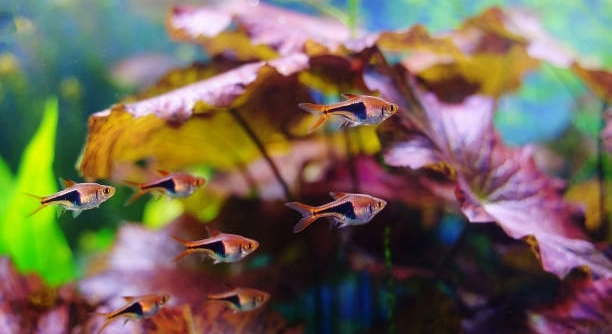
Rasboras are small, peaceful fish often kept in home aquariums. Their behavior is usually steady, but sometimes it can change suddenly. Understanding these shifts helps owners care for them better.
Rasbora behavior can change overnight due to factors such as water quality, stress, illness, changes in tank mates, diet, lighting, or breeding cycles. These triggers cause noticeable shifts in activity, social interactions, and feeding habits.
Recognizing these behavior changes can improve your ability to maintain a healthy environment for your rasboras. The following points explain common reasons behind sudden shifts.
Water Quality Changes
Water quality has a big impact on rasbora behavior. When water parameters like pH, ammonia, nitrites, or nitrates suddenly change, rasboras can become stressed or restless. Poor water conditions may cause them to hide more or swim erratically. Sudden drops in temperature or oxygen levels also affect their activity. Keeping the tank clean and stable is key to preventing sudden behavior shifts. Regular water tests and changes help maintain a comfortable environment for the fish.
Unstable water conditions often lead to quick behavior changes. Rasboras react immediately to poor water quality.
Watching water quality closely can prevent many problems. Use a reliable test kit and change about 20% of the water weekly. Avoid overcrowding and remove leftover food to keep water healthy. A well-maintained tank encourages normal, calm behavior in rasboras.
Stress from Tank Mates
Stress from aggressive or incompatible tank mates can cause rasboras to act differently overnight. If a new fish is added or a dominant species starts bullying them, rasboras may become shy, hide often, or stop eating. Stress reduces their immune system and overall health. Choosing peaceful tank mates and providing hiding spots helps reduce this stress and keeps their behavior stable.
Illness and Parasites
Illness and parasites often cause sudden behavior changes in rasboras. They may become lethargic, stop eating, or swim erratically. Early signs can be subtle but important to notice.
Common illnesses include bacterial infections, fungal growths, and parasites like ich. These issues usually appear after stress or poor water conditions. Treating quickly with proper medication can save your fish. Quarantining sick fish prevents spread.
Observing your rasboras daily helps catch illness early. If you see unusual spots, discoloration, or clamped fins, start treatment immediately. Keeping the tank clean and maintaining water quality lowers the risk of sickness. Prevention is better than cure for healthy fish.
Feeding Routine Changes
Rasboras are sensitive to changes in feeding routines. If food type or feeding times change suddenly, their behavior can shift quickly. They may become more aggressive or less active depending on hunger or stress.
Maintaining a consistent feeding schedule with balanced nutrition supports stable behavior. Overfeeding can cause sluggishness and poor water quality, while underfeeding may make them more frantic during feeding times. Pay attention to how they respond when introducing new foods or altering feeding frequency.
It’s important to provide a varied diet, including flakes, pellets, and occasional live or frozen foods. This variety keeps rasboras healthy and engaged, reducing behavior shifts caused by dietary changes.
Lighting Changes
Sudden changes in lighting can make rasboras nervous or inactive. Bright or flickering lights may cause them to hide or dart around quickly.
Consistent, gentle lighting helps keep them calm. Using a timer can maintain a stable day-night cycle, which supports their natural behavior.
Breeding Behavior
During breeding, rasboras may become more active and chase each other frequently. Males often display brighter colors to attract females. This change in behavior can happen overnight when conditions are right.
Breeding activity usually lasts a few days and is followed by calmer behavior once eggs are laid and fertilized.
Tank Rearrangement
Moving plants, decorations, or substrate suddenly can confuse rasboras. They may act stressed or explore the new layout cautiously.
Keeping the tank stable with minimal changes prevents unnecessary stress and helps rasboras feel secure.
FAQ
Why do my rasboras suddenly hide more than usual?
Rasboras often hide when they feel stressed or unsafe. Changes in water quality, new tank mates, or loud noises can cause this. Hiding is a natural defense to avoid threats. Ensuring stable water conditions and a peaceful tank environment helps them feel secure and reduces hiding behavior.
Can a change in diet cause rasboras to stop eating?
Yes, sudden diet changes may make rasboras hesitant to eat. They are used to certain food types and may reject unfamiliar ones at first. Gradually introducing new foods while keeping some familiar options encourages them to adapt without stress or loss of appetite.
How can I tell if my rasbora is sick?
Look for signs like clamped fins, faded colors, spots, or unusual swimming patterns. Lethargy and loss of appetite are common symptoms. Early detection through daily observation and water testing is important for quick treatment and recovery.
Is it normal for rasboras to act more active at certain times?
Yes, rasboras have natural activity peaks, often during feeding or breeding periods. They may swim faster or chase each other. This behavior is normal and shows they are healthy and alert.
What should I do if my rasboras start acting aggressively?
Aggression can result from overcrowding or stressful tank mates. Try rearranging the tank to create hiding spots and separate dominant fish. Reducing the number of aggressive fish or switching to more peaceful companions can help restore calm behavior.
How often should I test my tank water to avoid sudden behavior changes?
Testing water once a week is a good practice. Regular checks for pH, ammonia, nitrites, and nitrates prevent harmful spikes. Stable water quality keeps rasboras healthy and reduces sudden changes in their behavior.
Can lighting affect my rasboras’ behavior overnight?
Yes, sudden changes in lighting intensity or duration can stress them. Using a timer to provide consistent lighting cycles mimics natural conditions and helps maintain steady behavior patterns.
What can I do if my rasboras suddenly stop schooling?
This can happen due to stress, illness, or new tank mates. Make sure water conditions are optimal and check for signs of disease. Also, ensure the tank has enough space and hiding places so they feel safe enough to school again.
Do rasboras need special conditions to breed?
They require clean water, stable temperatures, and proper lighting. Providing plants or spawning mops gives them places to lay eggs. Breeding can cause noticeable changes in activity and behavior for a few days.
Can tank rearrangement cause long-term stress?
If changes are frequent or drastic, yes. Rasboras prefer a stable environment. Minimal, gradual changes help reduce stress. Always observe their behavior after rearranging to make sure they adjust well.
Final Thoughts
Rasboras are delicate fish that show their feelings through behavior changes. When their environment shifts suddenly, they often respond quickly, sometimes overnight. These changes can be caused by many factors like water quality, tank mates, feeding, or lighting. Paying attention to these factors helps keep rasboras healthy and comfortable in their home. The more carefully you watch them, the easier it becomes to understand what they need.
Keeping a stable environment is the best way to prevent sudden behavior changes. Regular water testing and cleaning, consistent feeding routines, and gentle lighting all contribute to a calm tank. Avoid overcrowding and choose compatible tank mates to reduce stress. Small changes, like rearranging the tank or introducing new fish, should be done slowly. This gives rasboras time to adjust and keeps them feeling safe. Creating a peaceful and predictable home will encourage natural behavior and better overall health.
If behavior changes do happen, it’s important to act quickly. Signs like hiding, loss of appetite, or erratic swimming could mean illness or stress. Identifying the cause early makes treatment more effective. Sometimes, behavior shifts are temporary, such as during breeding or mild stress, but they still need attention. Understanding what influences your rasboras’ behavior allows you to provide the best care possible. With patience and observation, you can help your rasboras live happily and thrive in their aquarium.

Hello,
If you enjoy the content that we create, please consider saying a "Thank You!" by leaving a tip.
Every little bit helps us continue crafting quality advice that supports the health, happiness, and well-being of pets around the world, for pets of all shapes, sizes, and species.
We really appreciate the kindness and support that you show us!