
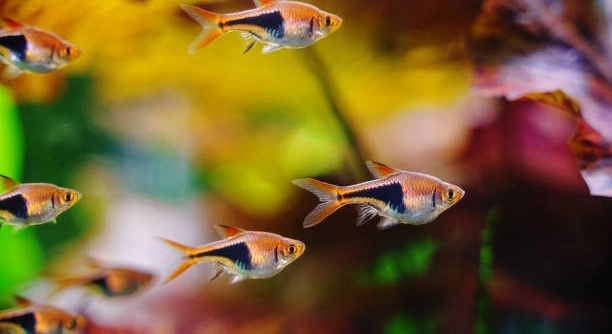
Rasboras are small freshwater fish known for their calm nature and gentle swimming patterns. These fish often appear shy but can show increased social behaviors in certain situations. Observing these moments reveals more about their natural instincts and group dynamics.
Rasboras become more social during feeding times, when exploring new environments, in breeding periods, under mild stress, when schooling with other fish, during changes in tank lighting, and when interacting with their reflections. These triggers encourage group cohesion and communication.
Recognizing these social cues can enhance how you care for rasboras and improve their well-being in your aquarium. Understanding their behavior helps create a peaceful and engaging environment for these delicate fish.
Feeding Times and Social Activity
Rasboras become noticeably more social during feeding times. When food is introduced to the tank, they often gather in groups and swim actively toward the source. This behavior is driven by the natural instinct to compete for resources, but it also encourages communication among the fish. During these moments, their usual shy demeanor softens, allowing for more interaction between individuals. Observing how they coordinate and respond to feeding can give insights into their hierarchy and social bonds within the group. Over time, this increased activity strengthens their social connections and keeps them engaged, reducing boredom and stress. Providing regular, balanced feeding schedules supports this social behavior and promotes healthier, more active fish. Keeping food portions appropriate also prevents aggression, maintaining harmony within the tank. Feeding times are a key moment to observe and enjoy the natural social tendencies of rasboras in a home aquarium.
Feeding triggers natural social behavior, encouraging interaction and group activity among rasboras. This enhances their overall well-being and engagement.
Understanding feeding-related social patterns helps in creating a structured and stimulating environment that benefits both the fish and their caretaker.
Exploring New Environments
Rasboras show increased social behavior when placed in new or changing environments. When introduced to a different tank or when the setup within their current tank is altered, they tend to group together closely. This grouping provides a sense of security and comfort as they adjust. New surroundings can cause mild stress, prompting the fish to rely more on social bonds for protection. As they explore, they communicate through body language and synchronized swimming, showing their awareness of the unfamiliar space. This exploration phase is important for their adaptation and helps them establish territory and hierarchy in the new setting. Over time, their social activity decreases as they become more comfortable, but these initial interactions reveal the importance of their group dynamics. Making changes gradually and providing hiding spots can ease this transition and support their social comfort.
During exploration, rasboras rely on each other, increasing social bonds and group cohesion.
Gradual tank changes and safe spaces help rasboras adapt more smoothly, promoting their social well-being and reducing stress.
Breeding Periods
During breeding, rasboras become highly social and active. They often display courtship behaviors that involve swimming closely and flashing their colors to attract mates.
Breeding triggers a rise in social interaction as males and females communicate through movements and displays. Males may chase females gently or show off brighter colors to signal readiness. This behavior strengthens pair bonds and encourages group participation in spawning. The increased activity often involves the entire school, where other fish support the breeding pair by staying alert or maintaining territory. Watching these social cues helps understand their reproductive needs and can guide aquarium care to encourage successful breeding.
The breeding period is a critical time when rasboras’ social behavior peaks, revealing natural instincts and group dynamics that keep their population thriving.
Mild Stress and Social Bonds
Mild stress can cause rasboras to become more social by gathering tightly and swimming in coordinated groups. This behavior helps them feel safer in uncertain situations.
Stressors like changes in water temperature or slight disturbances make rasboras seek comfort in numbers. Schooling together reduces anxiety and signals to predators that they are united. While prolonged stress is harmful, short bursts trigger this protective social response. It’s important to monitor the tank conditions and minimize stressful changes to maintain balance. When rasboras respond by grouping up, it’s a natural defense mechanism showing their reliance on social bonds for safety and reassurance. This behavior underscores the importance of a stable environment for their health and social comfort.
Schooling With Other Fish
Rasboras become more social when schooling with other fish species that share similar temperaments. They tend to swim together more closely, increasing their group cohesion.
This mixed schooling behavior helps reduce stress and encourages more interaction within the tank, making the environment livelier for all fish involved.
Changes in Tank Lighting
Adjusting the tank lighting can affect rasbora social behavior. Brighter light often encourages more activity and interaction, while dimmer light may make them more reserved.
Lighting changes influence their natural rhythms and visibility, which affects how comfortable and social they feel in their environment.
Interacting With Their Reflections
Rasboras sometimes react socially to their own reflections in the tank glass. They may approach or swim alongside the reflection as if it were another fish, increasing social activity.
Why do rasboras become more social during feeding times?
Rasboras naturally group together when food is introduced because it helps them find and compete for resources efficiently. Feeding triggers a natural instinct to gather and swim actively toward the source, which encourages communication within the group. This behavior also reduces stress by promoting group activity. When they eat together, they feel safer and more engaged, making the tank environment livelier. Regular feeding schedules help maintain this social interaction and keep the fish healthy and active.
How can tank changes affect rasbora social behavior?
Any change in the tank, such as rearranging plants or decorations, can cause rasboras to become more social as they adjust to the new environment. They tend to group tightly for safety during these times. This behavior is their way of coping with mild stress and exploring unfamiliar surroundings. Gradual changes and providing hiding spots make the adjustment easier, encouraging natural social interactions. Sudden changes can cause stress, so it’s best to keep the environment stable to maintain balanced social behavior.
Do rasboras interact differently when kept with other fish?
Yes, rasboras often become more social when kept with peaceful fish that share similar swimming patterns. They may school together, increasing their interaction and sense of security. Mixed-species schooling reduces stress and stimulates natural behavior. It’s important to choose tank mates carefully, avoiding aggressive or overly dominant fish, which could disrupt their social dynamics. When mixed properly, these interactions enrich the aquarium environment and benefit all the fish involved.
What role does lighting play in rasbora social activity?
Lighting affects how comfortable and active rasboras are in the tank. Brighter lighting usually increases their movement and social behavior, encouraging them to swim together and interact more. Dim or very low lighting tends to make them more reserved and less active. Lighting influences their natural day-night rhythms, which in turn affects social patterns. Adjusting lighting gradually can help maintain a healthy balance, allowing rasboras to feel secure and socialize naturally without stress.
Why do rasboras respond to their reflections?
Rasboras may mistake their reflections for other fish, leading them to swim alongside or interact with what they see in the glass. This behavior increases their social activity but can sometimes cause confusion or stress if they perceive the reflection as a rival. To reduce unwanted reflection interactions, consider adjusting tank placement or adding plants and decorations near the glass. This helps create a more natural environment and limits unnecessary social stress caused by reflections.
How does breeding influence rasbora social behavior?
During breeding, rasboras show increased social activity, such as swimming closely and displaying brighter colors. Males and females communicate through body language and movements to attract mates. This period is marked by more interaction within the group, strengthening bonds and encouraging cooperation. Understanding these behaviors helps in providing the right environment to support breeding, including proper tank conditions and space. Observing this natural social surge reveals important details about their reproductive cycle and group dynamics.
What happens when rasboras experience mild stress?
Mild stress, caused by slight changes in water conditions or disturbances, leads rasboras to school more tightly. This behavior is a natural defense mechanism to feel safer in uncertain situations. While short periods of mild stress trigger protective social behavior, long-term stress can harm their health. Monitoring tank conditions and minimizing sudden changes helps keep stress levels low. When rasboras group together during stress, it highlights their need for social support and a stable environment to maintain well-being.
Can rasboras live alone or do they need company?
Rasboras are schooling fish and naturally prefer the company of others. Living alone often causes stress and reduces their social behavior. Keeping them in groups of at least six encourages natural swimming patterns and social interaction. A proper group size helps prevent loneliness and promotes healthier, happier fish. Providing a community where they can swim and interact freely is essential for their mental and physical well-being.
How does tank size impact rasbora social behavior?
Tank size directly affects how comfortably rasboras can school and interact. Small tanks restrict movement and can cause stress, reducing social behavior. Larger tanks provide space for natural schooling, exploration, and group activity. Adequate swimming space helps maintain a stable social hierarchy and reduces aggression. It’s important to choose a tank size that fits the number of fish and allows them to display their natural social tendencies without feeling cramped or stressed.
What signs indicate healthy social behavior in rasboras?
Healthy social behavior in rasboras includes active schooling, synchronized swimming, and regular interaction during feeding or exploration. They should appear calm but alert, with minimal aggression or hiding. Bright colors and smooth movements are also good signs. If they group closely during mild stress and then return to normal patterns, it indicates a balanced social environment. Observing these behaviors helps ensure the tank conditions meet their needs and supports their natural social life.
Rasboras are gentle fish that show interesting social behaviors in many situations. Throughout their time in the tank, they will come together during feeding, explore new spaces as a group, and respond to changes in their environment. These moments of increased social activity are natural and help them feel safe and connected with others. Understanding when and why they become more social can make caring for them easier and more rewarding. It also helps create a tank environment that supports their natural instincts and promotes their well-being.
Watching rasboras interact during breeding, mild stress, or when schooling with other fish gives a clear picture of how important social bonds are to them. They rely on these connections for safety, comfort, and communication. Lighting and reflections can also influence their social behavior, showing how sensitive they are to their surroundings. Providing a stable and comfortable environment with enough space, proper lighting, and peaceful tank mates encourages these social moments. This helps keep the fish active, healthy, and less stressed, making the aquarium a more enjoyable place for both the fish and the caretaker.
Keeping rasboras in groups is key because they are schooling fish by nature. They feel calmer and behave more naturally when surrounded by others. Alone, they can become shy or stressed, which affects their health. Paying attention to their social cues, such as when they group together or swim actively, is important for monitoring their well-being. With patience and care, it’s possible to support their social habits and enjoy the peaceful beauty of rasboras interacting in a healthy aquarium setting.

Hello,
If you enjoy the content that we create, please consider saying a "Thank You!" by leaving a tip.
Every little bit helps us continue crafting quality advice that supports the health, happiness, and well-being of pets around the world, for pets of all shapes, sizes, and species.
We really appreciate the kindness and support that you show us!