
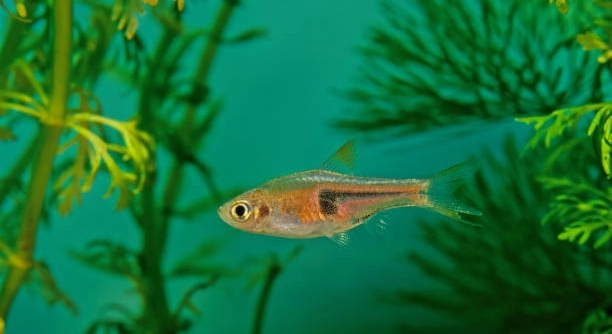
Anxious rasboras often show signs of stress through erratic swimming or hiding. Understanding their behavior is key to creating a calm environment that helps them feel secure and comfortable in their tank.
Calming anxious rasboras involves maintaining stable water conditions, providing plenty of hiding spots, minimizing sudden movements, and ensuring compatible tank mates. Proper feeding routines and gentle lighting also contribute significantly to reducing their stress levels.
These small adjustments can greatly improve your rasbora’s well-being and create a peaceful aquarium atmosphere for them to thrive.
Stable Water Conditions
Keeping the water stable is essential for calming anxious rasboras. These fish are sensitive to sudden changes in temperature, pH, and ammonia levels. Fluctuations can cause stress and make them swim erratically or hide. Regular water testing helps ensure the tank’s environment stays consistent. Performing partial water changes weekly removes harmful toxins and refreshes the water. Use a heater to maintain a steady temperature between 74 and 79°F, which is ideal for rasboras. Avoid overcrowding the tank because it can cause water quality to drop quickly. A well-maintained filter will keep the water clean and oxygen-rich. Stability in the tank’s water parameters creates a safe space where rasboras feel comfortable and secure.
Keeping water clean and stable supports healthy behavior and reduces anxiety in rasboras. Proper care and monitoring are vital for a peaceful tank.
Introducing a steady environment prevents stress and supports your rasboras’ natural behavior. Stable water conditions also reduce disease risk and promote overall vitality. The consistency allows your fish to adjust and settle without constant disturbances. In addition to temperature and pH, keeping nitrate and ammonia levels low is crucial. Using a reliable water test kit is helpful for monitoring. Avoid overfeeding, which can pollute the water and increase toxins. A balanced diet combined with clean water improves health and mood. Over time, stable conditions encourage rasboras to swim calmly and interact more with their surroundings. They become less skittish and more confident, which enhances their well-being. Maintaining this balance requires patience and routine, but the results are rewarding. Your aquarium becomes a calm haven where anxious rasboras can thrive peacefully.
Plenty of Hiding Spots
Rasboras feel safer when they have places to hide. Plants, rocks, and decorations provide cover that helps reduce stress.
Hiding spots create a natural environment and prevent rasboras from feeling exposed or threatened.
Adding live or artificial plants, caves, and driftwood offers shelter and comfort. Plants like java fern or hornwort work well because they don’t require intense light. These natural hiding spots mimic their natural habitat and reduce anxiety. Be careful not to overcrowd the tank, as too many hiding places can limit swimming space. Balance is important to create a comfortable yet open environment. Hiding spots also give shy rasboras time to rest and recover from stress. When they feel safe, their colors become more vibrant and their behavior calmer. Small caves or PVC pipes are good additions if live plants are not an option. Position decorations to create varied areas for exploring and retreat. This setup encourages natural behaviors and helps anxious rasboras feel at ease, improving their overall quality of life.
Minimizing Sudden Movements
Sudden movements outside the tank startle rasboras and increase their anxiety. Keeping your actions slow and calm near the aquarium helps prevent stress.
Quick or loud motions can make rasboras dart and hide. It’s best to avoid tapping the glass or standing too close suddenly. Gradual changes in lighting and quiet surroundings also contribute to their comfort. Consistency in your behavior near the tank teaches the fish that there is no threat. This reduces jumpy reactions and promotes a calm atmosphere.
Rasboras respond well to gentle care. Feeding them calmly and performing maintenance quietly supports their sense of security. When the environment feels safe, they swim more naturally and show their true colors. Avoiding abrupt changes helps maintain a peaceful space where anxious rasboras can relax.
Compatible Tank Mates
Choosing the right tank mates is important for rasbora calmness. Aggressive or overly active fish can cause stress and conflict.
Peaceful species like small tetras, danios, or Corydoras catfish are ideal companions. They share similar water needs and behavior patterns, creating a harmonious tank environment. Avoid larger or territorial fish that may bully or chase rasboras. Observing interactions early on ensures compatibility.
Balanced group sizes matter, too. Too many fish increase competition and crowding, which raises stress levels. Providing ample space and hiding spots reduces tension among tank mates. Compatible companions encourage social behavior without causing fear or aggression. Creating this balance fosters a stable and calm community where rasboras feel safe.
Proper Feeding Routines
Feeding rasboras on a consistent schedule helps reduce their anxiety. Irregular feeding times can cause stress and erratic behavior.
Offering small, frequent meals mimics their natural eating habits. This keeps them comfortable and less restless throughout the day.
Gentle Lighting
Bright or flickering lights can unsettle rasboras. Soft, steady lighting creates a calm atmosphere in the tank.
Using adjustable lights or adding floating plants helps diffuse harsh light. This simulates their natural habitat and reduces stress. Maintaining a day-night cycle supports their internal rhythm and overall health.
Regular Tank Maintenance
Clean tanks help keep rasboras healthy and less anxious. Removing waste and debris prevents harmful buildup that can cause stress.
Regular water changes and filter checks maintain water quality. A well-maintained tank encourages natural behavior and keeps rasboras feeling safe.
FAQ
Why do my rasboras act anxious even in a well-maintained tank?
Rasboras can still show anxiety despite good water quality if the environment feels unsafe. Factors like sudden noises, frequent disturbances, or improper tank mates can trigger stress. They are sensitive to their surroundings and need time to adjust to new setups. Providing hiding places and reducing external disruptions often helps ease their anxiety.
How can I tell if my rasbora is stressed?
Signs of stress include erratic swimming, hiding constantly, loss of color, and reduced appetite. They may also stay near the surface or gasp for air if water oxygen levels are low. Observing these behaviors early lets you address issues like water quality or tank environment before problems worsen.
What is the ideal tank size for a group of rasboras?
A minimum 20-gallon tank is recommended for a small group of 6 to 8 rasboras. They are schooling fish and feel safer in groups, so enough space to swim together is important. Larger tanks allow for better water stability and room to add plants and decorations for hiding spots.
Can lighting affect my rasbora’s stress levels?
Yes, too bright or flickering lights can cause anxiety. Rasboras prefer soft, natural lighting that mimics their natural habitat. Using adjustable aquarium lights or adding floating plants helps diffuse light and create shaded areas, reducing stress.
Are live plants necessary for calming rasboras?
Live plants are very helpful but not strictly necessary. They provide natural hiding places, improve water quality, and create a familiar environment. If live plants are difficult to maintain, artificial plants or decorations with hiding spaces can work as alternatives.
How often should I feed my rasboras?
Feeding small amounts two to three times daily is best. This mimics their natural grazing behavior and prevents overfeeding, which can pollute the water. A varied diet including flakes, frozen, and live food keeps them healthy and reduces stress.
Is it okay to keep rasboras with other fish?
Rasboras do well with peaceful species that share similar water needs. Avoid aggressive or large fish that may bully them. Suitable tank mates include small tetras, danios, and Corydoras catfish. Proper tank size and hiding places also help maintain harmony.
How important is water temperature for rasboras?
Maintaining a stable temperature between 74 and 79°F is crucial. Sudden changes cause stress and can weaken their immune system. Use a reliable heater and monitor temperature regularly to keep it consistent.
What should I do if my rasbora seems sick?
Isolate the fish if possible and check water parameters immediately. Poor water quality often contributes to illness. Consult a vet or aquarium specialist for appropriate treatment based on symptoms. Maintaining a clean and stable tank is the best prevention.
Can noise outside the tank affect rasboras?
Yes, loud noises or vibrations can stress rasboras. Placing the tank in a quiet area away from heavy foot traffic or loud appliances helps keep them calm. Consistent, peaceful surroundings are important for their well-being.
How long does it take for rasboras to calm down after moving to a new tank?
Adjustment time varies, but usually it takes a few days to two weeks for rasboras to settle. Providing hiding spots, stable water conditions, and minimizing disturbances helps speed up the process.
Are there any signs that indicate my rasbora is happy and relaxed?
Calm swimming in groups, bright colors, and regular feeding are good signs. Rasboras will explore the tank and interact with their environment when they feel safe. Observing these behaviors shows your care is effective.
Final Thoughts
Creating a calm environment for anxious rasboras takes some effort, but it is worth it for their health and happiness. Stable water conditions, gentle lighting, and plenty of hiding spots all play important roles in reducing stress. These fish are sensitive and respond well to a peaceful and well-maintained tank. By paying attention to their needs and making small changes, you can help your rasboras feel safe and comfortable in their home.
Consistency is key when caring for rasboras. Keeping their water clean and stable requires regular testing and maintenance. Feeding routines should be predictable and balanced to avoid causing unrest. Choosing compatible tank mates and minimizing sudden movements around the tank also contribute to their well-being. When these factors are managed carefully, rasboras show calmer behavior, better colors, and more natural swimming patterns. Over time, you will notice your fish becoming less anxious and more active, which reflects good care.
Remember that every fish is different, and some rasboras may take longer to adjust than others. Patience is important as you create the best environment possible. Avoid rushing changes or overhandling the tank, as these can increase anxiety. Providing a stable and safe space helps rasboras thrive and live longer, healthier lives. Paying close attention to their behavior and responding thoughtfully will ensure your aquarium is a peaceful place for these delicate fish.

Hello,
If you enjoy the content that we create, please consider saying a "Thank You!" by leaving a tip.
Every little bit helps us continue crafting quality advice that supports the health, happiness, and well-being of pets around the world, for pets of all shapes, sizes, and species.
We really appreciate the kindness and support that you show us!