
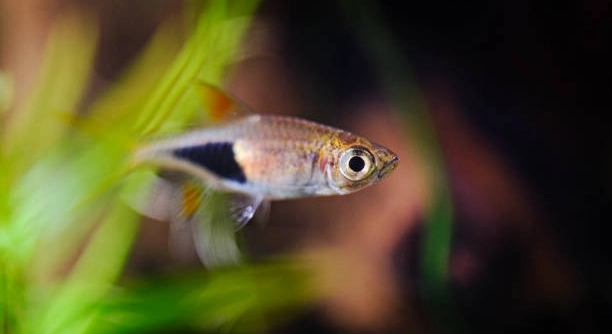
Rasboras are small, active fish that often hide in unexpected places within their aquarium environment. Their natural behavior leads them to seek out spots that provide safety and comfort. Observing their hiding habits can help maintain a healthy tank.
Rasboras tend to hide in dense plant foliage, behind aquarium decorations, under rocks or driftwood, near filter outlets, inside sponge filters, in substrate crevices, and sometimes at the water surface among floating plants. These locations offer shelter and security.
Knowing where rasboras might hide helps ensure their well-being and improves aquarium care practices. Understanding these spots can lead to a more peaceful and balanced aquatic environment.
Dense Plant Foliage
Rasboras often choose dense plants as their primary hiding spots. These areas provide cover from light and create a safe environment where they can rest without feeling exposed. In a planted tank, species like Java fern, Anubias, and dense stem plants offer excellent shelter. The leaves and stems create a natural barrier, breaking up sightlines and reducing stress for the fish. Additionally, plants contribute to water quality by absorbing nitrates and producing oxygen, which benefits the entire aquarium. The more natural the setup, the more comfortable the rasboras tend to feel. It’s common to see them darting in and out of the greenery, using it as both protection and a place to socialize with other tank mates. Providing ample plant cover can encourage natural behavior and help keep the fish calm, especially during feeding or tank maintenance.
Dense plants also help hide signs of illness or injury, giving the fish time to recover without disturbance.
Planting your aquarium with a variety of dense foliage supports rasboras’ natural instincts and promotes a healthier, less stressful environment. Regular trimming and maintenance of plants ensure that the cover remains sufficient and doesn’t overcrowd the tank. This balance keeps the aquarium visually appealing and functional. Monitoring how rasboras interact with the plants can reveal much about their well-being. When they spend a lot of time hiding, it may indicate stress or discomfort. Creating layers of plants at different heights mimics their natural habitat and encourages movement throughout the tank. Overall, dense plant foliage is essential for their security and happiness.
Behind Aquarium Decorations
Rasboras frequently hide behind decorations like rocks, caves, or artificial ornaments. These structures offer dark, enclosed spaces that simulate the crevices found in their natural habitats. This kind of shelter is particularly important during times of change, such as after water changes or new additions to the tank. The decorations provide a retreat where the fish can feel safe while adjusting. It’s important to choose smooth decorations without sharp edges to prevent injury. Positioning these decorations carefully creates multiple hiding spots, which reduces competition and territorial disputes. Over time, rasboras will use these spaces to rest, avoid predators, or seek refuge from aggressive tank mates. Proper placement and variety of decorations enhance the aquarium’s complexity and benefit the overall fish population.
Under Rocks or Driftwood
Rasboras may also hide beneath rocks or driftwood, which provide shaded and secure areas close to the tank bottom. These natural elements create nooks and small caves that fish instinctively use for shelter. Driftwood adds tannins that slightly darken the water, mimicking their native streams and rivers. This environment feels more natural and calming for them. Rocks placed with intentional gaps form tunnels and hideouts, allowing rasboras to quickly dart away when threatened. It is important to ensure that rocks and wood are stable and safe, preventing any collapse that could harm the fish. Regular cleaning under these objects is necessary to avoid debris buildup, which can affect water quality. The presence of these natural decorations promotes normal behavior and provides visual interest in the aquarium.
Near Filter Outlets
Rasboras sometimes hide near filter outlets where water flow is stronger. The currents create oxygen-rich zones that can be appealing. Additionally, the moving water can help remove waste and maintain cleanliness around these spots. However, not all rasboras appreciate strong currents; some may prefer calmer areas nearby. Observing their behavior helps determine if the flow is suitable. Adjusting filter output can improve comfort and reduce stress. Filters also create gentle vibrations, which may encourage hiding or resting nearby. Locating plants or decorations close to outlets can soften water movement, offering a mix of shelter and flow. This balance supports the fish’s health and natural instincts, contributing to a well-maintained aquarium.
Inside Sponge Filters
Sponge filters offer small cavities where rasboras can hide safely. These filters provide gentle water flow and oxygenation, creating a calm space near their surfaces.
The porous texture of sponge filters creates tiny holes and crevices that attract rasboras. These fish can easily slip into these small spaces to rest or avoid tank disturbances. Unlike strong currents from other filter types, sponge filters create a gentle, steady flow that doesn’t overwhelm the fish. This makes sponge filters ideal for tanks with sensitive or small species like rasboras. Regular cleaning is necessary to maintain the filter’s effectiveness while preserving the hiding spots. The combination of shelter and clean water benefits the overall tank environment, making it easier to observe healthy, stress-free fish behavior.
Placing sponge filters near plants or decorations enhances the variety of hiding places. It also provides options for rasboras that prefer different levels of light and water flow. Monitoring how often rasboras use sponge filters can indicate their comfort level. If they frequently retreat here, it may suggest a need to adjust tank conditions or check for stress factors. Balancing filter function and fish comfort improves their health and reduces aggressive behavior among tank mates.
In Substrate Crevices
Rasboras sometimes seek refuge in small gaps within the substrate at the tank bottom. Fine gravel or sand with varied texture provides these natural hiding spaces.
Substrate crevices allow rasboras to stay close to the bottom, where they feel protected from overhead threats. These small gaps mimic the shallow, rocky riverbeds where many rasbora species originate. Substrate choice affects how easy it is for fish to find hiding spots; smoother, uniform sand offers fewer crevices, while mixed gravel creates more options. Maintaining clean substrate is important because trapped debris can cause water quality problems. Proper vacuuming during tank cleaning helps keep substrate safe for hiding fish. This behavior shows the importance of substrate design when planning a rasbora aquarium.
Using substrate that encourages natural hiding helps reduce fish stress and supports normal behavior. Creating shallow piles or gentle slopes with gravel can increase the number of crevices available. Observing rasboras in the substrate can reveal their health and social interactions. It also offers a chance to spot any signs of illness early, as they may hide more often when unwell. Overall, substrate crevices are a key factor in designing a comfortable and natural tank for rasboras.
At the Water Surface Among Floating Plants
Rasboras sometimes hide near the water surface, especially under floating plants. These plants provide shade and cover from overhead light.
Floating plants also help reduce algae growth by limiting sunlight. They create a calmer surface, making rasboras feel secure in their hiding spots.
Inside Breeding Cones or Small Caves
Breeding cones and small caves provide ideal secluded spaces for rasboras during spawning or resting. These structures offer privacy and protection from other fish. The confined space reduces stress and encourages natural behavior, supporting healthier breeding success. Placing these hiding spots strategically promotes a balanced tank environment where rasboras can thrive comfortably.
Near Tank Corners
Tank corners are common hiding spots because they feel enclosed and secure. Rasboras use these areas to avoid open water or aggressive tank mates.
FAQ
Why do rasboras hide so much?
Rasboras are naturally shy and cautious fish. Hiding helps them feel safe from potential threats or stress. In a tank, hiding spots reduce their anxiety and encourage normal behavior. If a rasbora hides excessively, it could indicate poor water conditions, aggressive tank mates, or illness. Providing adequate shelter helps them feel secure.
Is it normal for rasboras to hide after introducing new fish?
Yes, this is common behavior. New fish cause changes in the tank’s social dynamics, making rasboras seek refuge until they adjust. Hiding protects them from potential aggression or stress. Over time, as they become comfortable, their activity usually returns to normal.
Can hiding mean a health problem in rasboras?
Frequent hiding combined with lethargy or loss of appetite may signal illness. Stress from poor water quality or infections can cause rasboras to retreat more often. Monitoring water parameters and observing behavior carefully helps catch health issues early.
How can I encourage rasboras to be less shy?
Creating a well-planted tank with plenty of hiding places builds confidence. Keeping water clean and stable reduces stress. Avoiding aggressive tank mates also helps. Gradual exposure to your presence during feeding can make them more comfortable over time.
Do rasboras prefer certain types of hiding spots?
Yes, they favor natural shelters like plants, rocks, and driftwood. These mimic their native environments. Dense foliage and small caves provide the most comfort. Artificial decorations can work if they offer secure spaces without sharp edges.
Can the lack of hiding spots cause stress in rasboras?
Absolutely. Without adequate shelter, rasboras feel exposed and vulnerable. This can increase stress levels, weaken their immune system, and lead to aggressive behavior or illness. Adding plants and decorations can prevent these problems.
Are all rasbora species equally shy?
Different species vary in their hiding behavior. Some, like the harlequin rasbora, are more active and social, while others may hide more frequently. Knowing the specific needs of your species helps create the best habitat.
How often should I clean hiding spots like sponge filters or decorations?
Regular cleaning is important but should be gentle. Weekly or biweekly rinsing in tank water preserves beneficial bacteria while removing debris. Overcleaning can disturb the ecosystem and cause fish stress.
Is it okay to rearrange tank decorations to change hiding spots?
Rearranging can be beneficial if done carefully. It encourages exploration and reduces territorial disputes. However, sudden changes might stress fish temporarily. Gradual rearrangement with observation helps maintain balance.
Do rasboras use hiding spots during feeding times?
Sometimes they hide before feeding if they feel nervous. However, healthy rasboras usually become more active around feeding. If hiding persists, it might be a sign of stress or competition in the tank.
Can hiding spots help during water changes?
Yes, hiding spots provide security during water changes, which can be stressful due to movement and changes in water parameters. Fish use these shelters to feel safe until conditions stabilize.
What can I do if rasboras hide too much and never come out?
Check water quality and tank conditions first. Ensure temperature, pH, and ammonia levels are optimal. Review tank mates for aggression. Adding more plants or decorations can create a more comfortable environment. If problems persist, consider consulting a specialist.
Does tank lighting affect hiding behavior?
Bright or harsh lighting can cause rasboras to seek shade or hide. Dimming lights or using floating plants to diffuse light creates a natural atmosphere. Balanced lighting supports normal activity without causing stress.
Are floating plants better hiding spots than rooted plants?
Both have benefits. Floating plants provide cover at the surface, offering shade and security from above. Rooted plants create shelter at lower levels and contribute to water quality. Combining both types gives rasboras varied safe zones.
How do aggressive tank mates influence rasbora hiding?
Aggressive fish force rasboras into constant hiding to avoid attacks. This increases stress and reduces activity. Choosing peaceful tank mates is essential for rasbora well-being.
Can I train rasboras to be less shy?
While not exactly trainable, rasboras can grow accustomed to their environment and your presence. Regular feeding at consistent times and gentle interaction may help them become more visible and less fearful.
What role do water parameters play in hiding?
Poor water quality stresses rasboras, making them hide more. Stable temperature, proper pH, and clean water are key. Frequent testing and maintenance prevent conditions that encourage excessive hiding.
Are there seasonal changes in hiding behavior?
In natural habitats, seasonal changes may affect activity and hiding. In an aquarium, stable conditions usually prevent this. However, sudden environmental changes might trigger hiding temporarily.
Do young rasboras hide more than adults?
Juveniles are often more cautious and hide frequently to avoid predators. As they mature, they usually become more confident and active, though some species remain shy throughout life.
Is hiding during the day normal if the tank has strong light?
Yes, rasboras may hide during bright daylight hours, preferring dimmer conditions. Evening or subdued lighting often encourages more activity and reduces hiding behavior.
Rasboras are small fish that naturally seek shelter in their environment. Their instinct to hide helps them feel safe and reduces stress, which is important for their health. In an aquarium, providing a variety of hiding spots such as plants, decorations, and substrate crevices supports their well-being. When rasboras have places to retreat to, they can display more natural behaviors and feel more comfortable in their surroundings. This reduces the risk of illness and improves their overall quality of life.
Creating a balanced tank with proper hiding spaces requires attention to detail. Using dense plant foliage, smooth rocks, driftwood, and sponge filters offers many options for rasboras to find shelter. It is also important to maintain good water quality and choose peaceful tank mates. Aggressive fish can cause rasboras to hide excessively, leading to stress and health problems. Monitoring water parameters regularly and keeping the tank clean helps keep the fish healthy and active. The right combination of environmental factors makes a big difference in how confident and visible rasboras will be.
Finally, understanding rasboras’ hiding habits can improve how we care for them. Observing where and when they hide reveals a lot about their comfort and stress levels. If they hide too much, it might be a sign that something needs adjusting, such as tank conditions or social environment. By providing suitable hiding places and ensuring a stable habitat, rasboras can thrive and display their natural, lively behavior. Taking these steps leads to a more peaceful and enjoyable aquarium for both the fish and the keeper.

Hello,
If you enjoy the content that we create, please consider saying a "Thank You!" by leaving a tip.
Every little bit helps us continue crafting quality advice that supports the health, happiness, and well-being of pets around the world, for pets of all shapes, sizes, and species.
We really appreciate the kindness and support that you show us!