
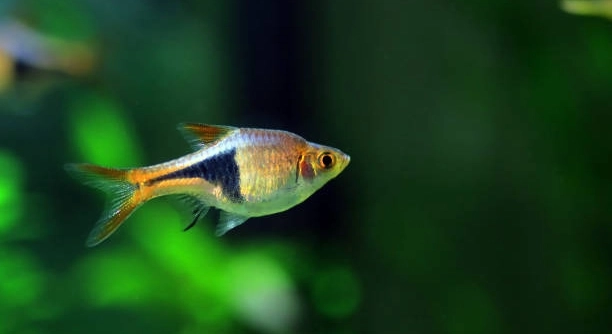
Is your rasbora spending all its time in one corner, making you wonder if something might be wrong in the tank?
The most common reason rasboras stay in one corner is stress. Poor water quality, tank mates, or environmental changes can disrupt their comfort. Observing their behavior closely and testing water parameters can help identify the underlying issue.
Other factors may include illness, overcrowding, or even boredom from a lack of stimulation in their environment.
Stress From Sudden Changes
Rasboras can become stressed when their environment shifts too quickly. This includes sudden changes in water temperature, pH levels, or the introduction of new fish. Even loud noises or movements around the tank may cause discomfort. When stressed, rasboras may hide or isolate themselves in a corner, staying still to avoid further disturbances. Their natural instinct is to seek safety, and staying in one spot gives them a sense of control. It’s helpful to make changes gradually. If you’re adjusting the tank setup, do it over several days. Use a reliable water testing kit to monitor parameters. If you’ve recently cleaned the tank or added decor, try removing one item at a time to see if their behavior improves. Make sure the lighting is soft and not too bright, and check that water flow isn’t too strong. A calm, consistent environment goes a long way in keeping your rasbora active and relaxed.
Small changes in lighting or rearranging plants can affect their comfort quickly. Rasboras prefer quiet, stable setups that mimic their natural habitat.
Keeping the tank environment calm can help your rasbora return to normal. This includes avoiding sudden changes and giving them space to feel safe. Consistency helps build a sense of stability for them.
Poor Water Quality
Poor water conditions are a major reason rasboras isolate themselves. Even slight imbalances in ammonia, nitrite, or nitrate levels can lead to stress or illness.
Rasboras are sensitive to the quality of their water. High levels of toxins like ammonia or nitrite can make them uncomfortable or even sick. If your rasbora is staying in one corner, it’s a good idea to check the tank’s parameters right away. Using a water testing kit, check for pH, ammonia, nitrite, and nitrate. The ideal range for rasboras is a pH between 6.0 and 7.5, with zero ammonia and nitrite, and low nitrate levels. A regular cleaning routine helps prevent buildup of waste and uneaten food. Change 25% of the water weekly, and rinse filter media in tank water to keep good bacteria alive. Clean substrate and remove algae if needed. Adding live plants can also help stabilize water conditions. If problems persist, consider upgrading the filtration or reducing the number of fish.
Aggressive or Dominant Tank Mates
Rasboras may isolate themselves if they feel threatened by other fish. Aggressive or fast-moving tank mates often create stress, pushing shy fish into corners where they feel more secure and less exposed to potential harm.
If your rasbora is hiding more often, check for signs of fin-nipping, chasing, or other dominant behavior from other fish. Fish like barbs, larger tetras, or cichlids can intimidate peaceful species like rasboras. Even if no direct attacks are visible, the constant pressure from dominant tank mates can keep rasboras from swimming freely. Rearranging the tank or adding tall plants and decorations can offer more hiding spots. This helps reduce visibility and tension. Observe feeding times too—if your rasbora avoids eating, it may be due to the presence of aggressive fish. Separate or rehome incompatible tank mates if needed to restore calm.
Some fish show their dominance by taking over the middle of the tank, leaving little room for others to move freely. Rasboras, being timid, will avoid confrontation and seek corners as a retreat. This kind of tension can affect their appetite, movement, and overall behavior. Keeping them with peaceful, similar-sized fish creates a more comfortable and active environment.
Lack of Hiding Spaces or Shelter
Rasboras need safe areas to rest and retreat, especially during times of stress. If the tank lacks plants, caves, or decor, they may stay in corners to feel hidden.
In their natural habitat, rasboras swim through thick vegetation and shaded areas. When a tank is bare or too open, they feel exposed and may become less active. Adding floating plants, tall stems, or decorations that block line of sight helps provide security. Hiding places help lower stress and allow rasboras to move more freely. They should have access to multiple covered areas across the tank, not just one side. If they only stay in a single corner, it may be the only place where they feel secure. It’s important to avoid overcrowding the tank with decorations, though. Give them both space to swim and spots to retreat. Balanced tank design encourages natural, healthy behavior.
Illness or Discomfort
Rasboras that stay in one corner could be feeling unwell. Look for signs like faded color, clamped fins, labored breathing, or refusal to eat. These symptoms can point to internal infections or parasites.
If you suspect illness, isolate the affected fish and observe closely. Use medications only after identifying the issue.
Low Water Temperature
Rasboras are tropical fish and prefer temperatures between 72°F and 80°F. If the water is too cold, their metabolism slows, leading to inactivity. They may choose a corner and remain still, trying to conserve energy. Cold water also lowers immunity, making them more vulnerable to disease. Check your aquarium heater regularly for accuracy. A broken or weak heater might not maintain a steady temperature. Sudden drops, especially at night, can trigger sluggish behavior. Make sure the thermometer is placed away from the heater to monitor the overall tank temperature, not just the heated area. Warm, stable water helps rasboras stay active and comfortable.
Strong Water Flow
Strong currents can wear out small fish. Rasboras may avoid swimming and hide in corners where the flow is weaker and more manageable.
FAQ
Why is my rasbora hiding all of a sudden?
Sudden hiding often points to stress or discomfort. Changes in water quality, temperature, tank mates, or environment can cause rasboras to retreat. Even small things like moving plants, bright lighting, or noisy surroundings can make them feel unsafe. It’s important to check water parameters first, as ammonia or nitrite spikes are common triggers. Once the water is stable, evaluate the behavior of other fish in the tank. If any are acting aggressively or chasing, your rasbora might be hiding to avoid confrontation. Try creating more cover using plants or decorations to give them secure spots to rest.
Can rasboras get depressed or bored?
While fish don’t experience emotions the way humans do, they can become inactive or sluggish if their environment lacks stimulation. A tank with little plant life, no hiding places, or few other fish can cause rasboras to lose interest in swimming or exploring. They are social fish and thrive in small groups of at least six. When kept alone or in too small a group, they may stay in one spot more often. Adding more rasboras, live plants, or adjusting the tank layout can help increase their activity level and make them more comfortable.
Is it normal for rasboras to rest in one spot?
It’s normal for rasboras to pause or rest during parts of the day, especially after feeding. However, long periods of staying in one corner are not typical. Healthy rasboras are usually active swimmers, especially when kept in a proper group. If your fish is motionless for extended periods, check for signs of illness or environmental stress. Make sure the water temperature is within range and that oxygen levels are adequate. Low oxygen or poor water circulation can make rasboras sluggish and cause them to stay near surfaces or still areas of the tank.
Do rasboras sleep in corners?
Rasboras do sleep, and they usually choose low-traffic, calm areas in the tank to rest. For some, this might be a corner where water movement is gentler. It’s more noticeable when tank lights are off. As long as they are active during the day and return to swimming normally, resting in corners at night isn’t a problem. However, if you notice them staying in the same spot even with the lights on and during feeding times, something else may be wrong. Monitor their behavior over a full day to understand if it’s sleep or a stress response.
What tank setup keeps rasboras active?
A well-decorated, stable tank with soft lighting, live plants, and gentle filtration helps rasboras thrive. Keep them in groups of at least six, as they are schooling fish and feel more secure in numbers. Add a mix of floating and rooted plants, and keep the water flow moderate. Avoid sudden temperature changes and test water regularly. Consistency in water quality and tank layout helps maintain their comfort. Provide enough open space for swimming but balance it with places to hide. Avoid overstocking the tank, which can increase stress and reduce available space for natural behavior.
Should I isolate a rasbora that stays in one corner?
Isolation should only be considered if the fish is showing signs of illness, like damaged fins, bloating, or erratic swimming. If your rasbora is just shy or seems overwhelmed, it may be better to adjust the tank environment instead of removing it. Stress from isolation can make things worse. Try moving aggressive tank mates, reducing water flow, or adding more hiding spots. If isolation is needed for treatment, use a separate hospital tank and monitor water quality closely. Always reintroduce the fish gently and at the right time to avoid more stress.
Final Thoughts
Rasboras are peaceful, active fish that usually enjoy swimming in groups across the middle areas of the tank. When one or more rasboras stay in a corner for long periods, it usually means something in their environment is off. It could be poor water quality, an aggressive tank mate, or even low water temperature. Sometimes the issue is small, like not enough hiding spots or too much water movement. These things can make rasboras feel uncomfortable, and they respond by staying still in one area where they feel safer. That’s why it’s important to notice changes in their behavior early.
Solving the problem often starts by checking water conditions with a good test kit. If the water is clean and stable, it’s time to look at the tank setup and social dynamics. Make sure rasboras are in a group and not being bullied by other fish. Add plants or decorations to give them more places to hide and feel secure. Keep the water temperature steady and within their comfort range. These simple adjustments can often bring them back to their normal, active selves. If the problem continues after making changes, it may be time to consider possible illness and separate the fish for closer observation and treatment.
Watching your fish every day helps you notice small changes before they become big issues. Rasboras are generally hardy fish, but they rely on you to keep their home stable and comfortable. Even something as basic as bright lighting or fast-moving water can affect their behavior. The good news is that many of the problems linked to corner-hiding can be fixed with a few careful changes. Whether it’s adding more plants, adjusting tank mates, or improving water quality, small steps make a big difference. Keeping a peaceful, well-maintained tank will help your rasboras stay healthy, active, and happy.

Hello,
If you enjoy the content that we create, please consider saying a "Thank You!" by leaving a tip.
Every little bit helps us continue crafting quality advice that supports the health, happiness, and well-being of pets around the world, for pets of all shapes, sizes, and species.
We really appreciate the kindness and support that you show us!