
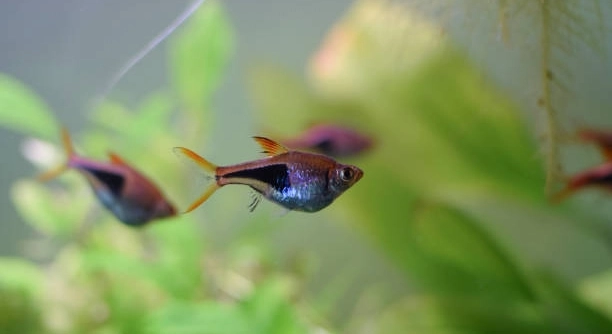
Rasboras are small, peaceful fish often found in home aquariums. They are known for their active swimming and social behavior. Sometimes, they seem attracted to bubbles rising in the water, catching attention from fishkeepers.
Rasboras may swim into bubbles because they are naturally curious and responsive to changes in their environment. The bubbles create movement and light reflections, stimulating the fish to investigate or interact with these dynamic elements in their tank.
Learning why these fish behave this way helps improve aquarium care. Observing their reactions can lead to a better understanding of their needs and natural instincts.
Why Rasboras Are Drawn to Bubbles
Rasboras are naturally curious fish that respond strongly to movement and light changes in their environment. Bubbles in an aquarium create both. As bubbles rise, they catch light and create a dynamic scene, which interests the fish. This can stimulate their hunting instincts or simply satisfy their curiosity. Additionally, bubbles bring more oxygen into the water, which can make the area around them more appealing. Rasboras often swim through these bubbles not only to explore but also because the oxygen-rich water provides a comfortable spot. The rising bubbles may also mimic the movements of small prey, encouraging the fish to interact with them. While it can look playful, this behavior is linked to how these fish sense and adapt to their surroundings. Knowing this helps tank owners provide better environments that keep their rasboras engaged and healthy.
Bubbles attract rasboras by offering stimulation and better oxygen levels, encouraging them to swim nearby and interact naturally.
Observing rasboras near bubbles can reveal how these fish seek comfort and activity. This simple behavior reflects their instinctual response to changes in water conditions. It also shows their need for varied environments that mimic natural habitats. Tank owners can use this knowledge to add features that promote natural behaviors. For example, placing air stones or filters that produce gentle bubbles helps keep the fish active and less stressed. Understanding why rasboras swim into bubbles goes beyond just watching their movement; it’s about recognizing their needs and enhancing their well-being. This small detail can make a big difference in maintaining a balanced aquarium ecosystem.
Creating the Right Environment for Rasboras
A well-designed tank encourages rasboras to display natural behaviors, including swimming around bubbles.
Rasboras thrive in tanks that simulate their natural habitats with gentle water flow and plenty of plants. These fish prefer calm waters with soft currents, which is why bubbles created by air stones or filters can be both intriguing and comforting. The presence of bubbles also improves oxygen circulation, which is essential for their health. Including floating plants and hiding spots helps them feel secure, reducing stress and encouraging natural exploration. The balance between movement and calm areas supports their active swimming without overwhelming them. Attention to water quality and temperature also plays a vital role in keeping rasboras happy. By carefully arranging these elements, tank owners can create a stimulating yet peaceful environment that allows rasboras to thrive and interact with bubbles as part of their daily routine.
The Role of Oxygen and Water Movement
Bubbles increase oxygen levels in the water, which benefits rasboras. This extra oxygen makes the tank environment healthier and encourages active swimming.
When air stones or filters produce bubbles, they create gentle water movement. This flow mimics natural currents found in rivers and streams, where rasboras come from. The movement helps distribute oxygen evenly, improving fish respiration. Rasboras are sensitive to water quality and appreciate this circulation because stagnant water can cause stress or health problems.
Besides oxygenation, the bubbles provide visual stimulation. Rasboras notice the changing patterns of bubbles rising, which keeps them engaged. This interaction helps reduce boredom in captive fish. The combination of oxygen enrichment and movement creates a dynamic space that encourages natural behaviors and promotes overall well-being.
How Tank Setup Affects Bubble Interaction
Tank design influences how rasboras interact with bubbles and their environment.
Plants, decorations, and water flow all shape their experience. Live plants absorb carbon dioxide and add oxygen, complementing bubble oxygenation. Dense plants offer shelter, making fish feel secure as they explore near bubbles. Decorations can either block or guide water movement, changing how bubbles rise and spread. Adjusting the position of air stones or filters helps control bubble distribution, allowing for areas where fish can rest away from strong currents. Maintaining a balanced setup with varied zones encourages rasboras to swim freely and interact comfortably with bubbles, making the tank more enjoyable for both the fish and the owner.
Common Misunderstandings About Bubble Behavior
Some think rasboras swim into bubbles because they are stressed, but this isn’t always true.
In many cases, the behavior is simply curiosity or natural response to water movement. It doesn’t necessarily indicate a problem.
How to Monitor Rasboras’ Interaction With Bubbles
Watching how rasboras react to bubbles helps identify their comfort level. Healthy fish swim calmly around bubbles without frantic movements.
If they avoid bubbles completely or show signs of distress, it may indicate water quality issues or improper tank conditions. Adjusting bubble flow or improving water parameters can make a difference.
Using Bubbles to Enhance Tank Life
Bubbles improve oxygen levels and help circulate nutrients, benefiting all aquarium inhabitants.
Proper bubble placement creates a lively, healthy environment that supports fish activity and plant growth.
Signs That Bubble Interaction Is Healthy
Calm, curious swimming near bubbles shows comfort.
Erratic or constant darting signals a need to adjust tank conditions.
FAQ
Why do rasboras like to swim into bubbles?
Rasboras are naturally curious and attracted to movement and light changes. Bubbles create both, making them interesting for the fish to explore. The bubbles also increase oxygen levels around them, which adds comfort. Swimming through bubbles mimics their natural response to small water currents and reflections they would encounter in the wild.
Can too many bubbles stress my rasboras?
Yes, too many bubbles or strong water flow can overwhelm rasboras. These fish prefer gentle currents, so high bubble activity may cause them to dart nervously or hide. It’s important to balance bubble production with calm areas in the tank where they can rest and feel safe.
Are bubbles necessary for a rasbora tank?
Bubbles are helpful but not strictly necessary. They improve oxygen circulation, which is good for fish health. However, proper tank maintenance, plants, and good filtration can also keep oxygen levels healthy. Bubbles add stimulation and movement, but the key is moderate use tailored to your tank’s size and fish count.
What is the best way to add bubbles to a rasbora tank?
Using a gentle air stone or a low-flow filter is best. Place the air stone where bubbles can spread slowly without creating strong currents. This setup provides oxygen and a natural environment without stressing the fish. Experiment with bubble size and flow until you find a balance that keeps your rasboras active but calm.
Do bubbles help with water quality?
Indirectly, yes. Bubbles help circulate water, which spreads oxygen and prevents stagnant zones. This circulation supports beneficial bacteria that break down waste and keeps the environment stable. While bubbles alone won’t fix poor water quality, they support the tank’s overall health.
Why do some rasboras avoid bubbles?
Some individual fish may be shy or stressed and prefer calmer areas. Also, if bubbles are too strong or the water flow is too fast, rasboras may avoid these areas. Watching how your fish behave helps determine if bubbles need adjustment or if other tank conditions need improving.
Can bubbles cause health problems for rasboras?
Bubbles themselves don’t cause health issues, but excessive water agitation can stress fish and weaken their immune system. Stress makes them more prone to illness. Keeping bubble flow gentle and stable is important to avoid negative effects.
How can I tell if my rasboras are happy with the bubbles?
Happy rasboras swim calmly near bubbles, sometimes exploring or resting around them. They don’t dart frantically or hide constantly. If they appear relaxed and active, it means the bubble setup is suitable. Sudden changes in behavior near bubbles may suggest a problem.
Will adding bubbles improve the behavior of my rasboras?
Bubbles can encourage more natural swimming patterns and curiosity, reducing boredom. They provide stimulation similar to what fish experience in natural streams. This can lead to healthier, more active fish. However, bubbles alone won’t solve behavior problems caused by other issues like poor water quality or tank mates.
Are there alternatives to bubbles for oxygenation?
Yes. Live plants produce oxygen through photosynthesis, and proper filtration moves water to keep oxygen levels balanced. Surface agitation from filters or pumps also helps gas exchange without creating many bubbles. Combining these methods provides a stable environment for rasboras.
How often should I check the bubble equipment?
Regular checks are important to ensure air stones and filters work properly. Clean air stones every few weeks to prevent clogging. Malfunctioning equipment can reduce oxygen flow or create uneven water movement, which may stress your fish. Keeping equipment maintained supports consistent tank conditions.
Can bubbles help young or sick rasboras?
Bubbles improve oxygen levels, which is helpful for all fish, including young or sick individuals. Good oxygenation supports recovery and growth. However, it’s important not to increase bubbles too much, as stressed or weak fish might find strong currents difficult to handle. Gentle oxygenation is best for these fish.
Rasboras are small, lively fish that bring a lot of charm to home aquariums. Their habit of swimming into bubbles is part of their natural behavior, driven by curiosity and the search for comfortable conditions. Bubbles in the tank create movement and light patterns that catch their attention, making the environment more interesting for them. At the same time, bubbles help increase oxygen levels, which is important for their health. Understanding these simple facts helps aquarium owners appreciate why their rasboras might be attracted to bubbles and how this behavior fits into their daily life.
Creating a balanced tank setup is important to support this behavior in a healthy way. Gentle bubbles and water movement can make rasboras feel more at home by mimicking their natural streams and rivers. However, too much water agitation can cause stress, so it’s essential to find the right balance. Including live plants and decorations that provide shelter and calm areas can help rasboras feel safe while exploring around bubbles. This balance keeps them active and comfortable without overwhelming them, which improves their overall well-being and helps prevent health problems.
Paying attention to how rasboras interact with bubbles also helps spot potential issues early. Calm, curious swimming near bubbles is a good sign, while avoidance or frantic movement may indicate stress or poor water conditions. Regular tank maintenance and careful adjustment of bubble flow keep the environment stable and enjoyable for the fish. In the end, bubbles are a small but valuable part of an aquarium’s ecosystem, supporting both the fish’s natural instincts and their health. Knowing this allows you to create a better home for your rasboras and enjoy watching their lively behavior.

Hello,
If you enjoy the content that we create, please consider saying a "Thank You!" by leaving a tip.
Every little bit helps us continue crafting quality advice that supports the health, happiness, and well-being of pets around the world, for pets of all shapes, sizes, and species.
We really appreciate the kindness and support that you show us!