
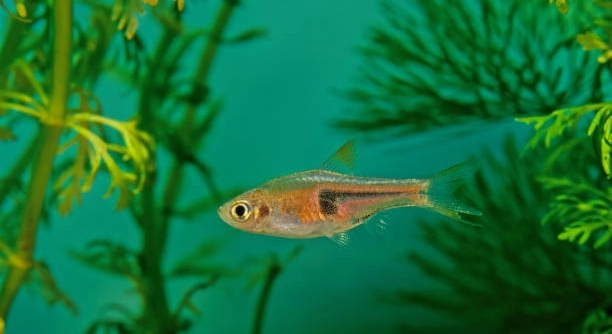
Do you ever notice your Rasboras acting strangely when sunlight streams through the window or the room gets a bit brighter than usual? Their subtle shifts in behavior may not be just a coincidence.
Rasboras react differently to natural light due to changes in spectrum, intensity, and duration compared to artificial lighting. These factors influence their circadian rhythms, stress levels, and social behaviors, often leading to noticeable shifts in activity.
Understanding how light affects their natural instincts can help you create a healthier, more stable environment for your Rasboras at home.
How Natural Light Triggers Different Behavior
Natural light affects Rasboras in subtle but important ways. Unlike artificial lighting, natural sunlight shifts gradually throughout the day, which influences how Rasboras move, feed, and interact. They rely on these light patterns to stay in sync with their internal clocks. When exposed to bright, direct sunlight, they may hide more or scatter quickly because they feel overexposed and vulnerable. Dappled or filtered sunlight, on the other hand, makes them feel safer and more comfortable. This lighting helps them behave more naturally—swimming calmly, schooling closely, and exploring their surroundings with ease. A sudden change in natural light, like a shadow passing or the sun shifting, can startle them and make them react in ways that seem unpredictable. Their behavior is a direct response to what they sense as safety or risk, all based on the quality of light reaching them.
Their behavior shifts mostly because natural light mimics the lighting patterns they experience in the wild.
When aquarium lighting stays constant all day, Rasboras may lose some of their natural activity rhythms. Light changes that mimic sunrise and sunset support more stable behavior.
What You Can Do to Support Healthy Light Exposure
Avoid placing your tank near windows where light patterns are inconsistent or direct. Filtered lighting is much more comfortable for Rasboras.
Try using a programmable LED light with adjustable brightness to mimic a more natural pattern. These lights can simulate dawn and dusk, helping your Rasboras stay balanced and active at the right times. If your room does get natural light, use a sheer curtain to diffuse it, especially during the brightest parts of the day. Make sure the tank is not exposed to harsh midday sun, which can stress your fish and encourage algae. A timer helps maintain a regular day/night cycle without sudden changes. If you enjoy natural light in your space, position the aquarium away from direct beams and bright reflections. Soft, indirect lighting gives Rasboras enough brightness to stay alert and active without being overwhelmed. When their lighting feels consistent and gentle, they’re more likely to stay relaxed and healthy.
Natural Light vs. Artificial Light in Aquariums
Natural light changes throughout the day, while artificial light tends to stay steady. This difference affects how Rasboras behave. They are more active and alert under soft, shifting light and more cautious or sluggish under harsh, steady lighting.
In the wild, Rasboras live in shaded areas with scattered sunlight, like forest streams. This creates a pattern of dim and filtered light, helping them stay calm and safe. When aquarium lighting is too bright or doesn’t change, they can become stressed or confused. A balance between light and dark periods is important. Too much light can increase stress or lead to erratic swimming. If the tank stays too dark, it can reduce activity and affect their feeding habits. Mimicking the soft, filtered effect of their natural habitat makes it easier for them to settle and behave normally. Subtle shifts throughout the day are more familiar to them.
Natural light also influences algae growth, which can change your tank environment. When too much sunlight enters the aquarium, algae can build up quickly, making the water harder to manage. Artificial lights are easier to control and usually better for maintaining balance. That control helps you keep both your Rasboras and the tank cleaner and healthier.
Light Sensitivity in Different Rasbora Species
Some Rasbora species are more light-sensitive than others. Harlequin Rasboras tend to adapt better to brighter settings, while species like Chili Rasboras prefer dim environments. Matching light levels to the species helps lower stress.
If you keep more sensitive Rasboras, dimmer lighting will make them feel more secure. Their small size and skittish nature make them prone to stress when exposed to sudden brightness or strong glare. In shared tanks, they may hide more often or avoid open spaces. Choosing softer light tones and adding floating plants can improve their comfort. Plants not only dim the light but also offer shade and cover. With proper lighting, shy species are more likely to swim openly and feed well. Over time, you’ll notice calmer movement, better colors, and stronger schooling behavior. Adjusting light to fit their comfort zone has a lasting effect on their overall health.
Signs Your Rasboras Are Affected by Light
If your Rasboras scatter suddenly or hide more than usual, they may be reacting to changes in light. Sudden sunlight or bright overhead light often makes them feel exposed and unsafe, especially in shallow or lightly decorated tanks.
You may also notice less schooling or slower feeding. These are signs they feel uneasy. A steady lighting schedule and some shaded areas can help them feel more secure and return to normal behavior over time.
Simple Adjustments That Can Help
Add floating plants like duckweed or frogbit to soften the light reaching your Rasboras. These plants reduce glare and create a dappled effect that’s closer to what they would see in nature. Use a timer for your aquarium lights to maintain a consistent cycle of light and dark. Position the tank away from direct sunlight and close curtains during peak daylight hours. Keep artificial lighting between 8 to 10 hours a day. For sensitive species, aim for lower brightness settings. If your lights are adjustable, start low and increase gradually while watching how your Rasboras respond. Small changes can help create a more peaceful and natural setting for them.
When to Reassess Your Lighting
If behavior problems continue after changes, the light may still be too strong or inconsistent. Try dimming it further or adding more plant cover to ease the stress.
FAQ
Can Rasboras live in tanks with natural sunlight?
Rasboras can live in tanks that receive some natural sunlight, but it should be limited and indirect. Direct sunlight causes strong glare and quick temperature changes, which can stress the fish. It also encourages fast algae growth, which can make tank maintenance harder. If your tank gets natural light, place it in a spot where sunlight is filtered through a curtain or only hits the tank during less intense hours of the day. Keep in mind that even a small amount of direct sun can raise the water temperature more than expected, especially in smaller tanks.
Why do my Rasboras scatter when the light changes?
Sudden changes in lighting can startle Rasboras. In their natural habitat, light shifts more gradually, so fast transitions can make them feel exposed or threatened. If you turn on a bright light suddenly or walk past a sunny window, they may react by darting away or hiding. Using a light with a dimmer or one that gradually brightens in the morning can reduce this stress. Even placing your hand over the tank can cause a shadow that triggers this reaction. Giving them cover like plants or caves helps them feel safer when these shifts happen.
What’s the best type of lighting for Rasboras?
Soft, adjustable LED lighting works well for Rasboras. It gives you control over brightness and timing. Look for a unit with customizable settings that allow you to mimic sunrise and sunset. A gentle light cycle helps them stay calm and active. Lights that are too bright can wash out their colors and make them hide more often. Floating plants can be used along with LED lighting to create a natural look and feel. Aim for 8 to 10 hours of light daily, depending on your tank setup and plant needs.
Do different species of Rasboras need different lighting setups?
Yes, some species are more light-sensitive than others. For example, Chili Rasboras and other small, timid types prefer dimmer, more shaded tanks. Harlequin Rasboras are more adaptable and can handle brighter conditions, though they still do better with filtered light. Knowing the specific needs of your species helps you adjust lighting for comfort and health. Keeping your lighting soft and steady is a safe choice for most Rasboras, especially in community tanks.
How can I tell if the lighting is too strong for my Rasboras?
If your Rasboras stay hidden most of the day, avoid open swimming areas, or only move around during feeding, the lighting may be too intense. You may also see them breathing faster or darting suddenly. These are signs they’re feeling unsafe. Try lowering the brightness or adding floating plants. Watch their behavior over a few days. When lighting is right, they will school calmly and explore more freely.
Should I use a light timer?
Yes, a timer helps maintain a consistent day/night cycle. Rasboras do better with a steady rhythm, and timers prevent you from accidentally leaving the light on too long or forgetting to turn it on. Timers also make it easier to mimic natural patterns—gradual morning light and dim evenings are less stressful than harsh switches.
Can lighting affect Rasbora health in the long term?
Lighting affects more than just behavior. It can impact feeding, color, and immune health. Bright, unchanging light can cause long-term stress, leading to weaker immune responses and dull coloration. Natural-pattern lighting, along with good water quality and diet, supports better overall health.
Final Thoughts
Rasboras are peaceful and active fish that respond to even small changes in their environment. Light plays a big role in how they feel and act. Natural light, while beautiful, doesn’t always work well for them in a home aquarium. Sudden brightness or direct sunlight can make them feel unsafe. When they’re uncomfortable, they may hide more, stop schooling, or show signs of stress. That’s why it’s important to understand how both natural and artificial light affect their daily behavior and overall health. Creating the right balance helps them stay calm and display their best colors.
Using a controlled lighting setup allows you to create a more stable and predictable environment. A dimmable LED light, placed on a timer, gives you the ability to control when and how the tank is lit. Adding floating plants or placing the tank away from windows can help reduce sudden light changes. These small adjustments make a big difference, especially for more sensitive Rasbora species. The goal is to make the tank feel more like their natural habitat—calm, shaded, and consistent. When light is managed well, Rasboras swim more openly, interact with one another, and show better feeding habits.
Taking time to notice how your Rasboras respond to lighting can help you make smart changes. Watch their behavior after adjusting brightness or adding shade. If they seem more relaxed and active, it’s a good sign the lighting is working for them. While it may take a few days for changes to show results, the long-term benefit is a healthier, less stressed group of fish. Good lighting also supports plant growth and helps prevent unwanted algae, making your tank look better and function more smoothly. In the end, thoughtful lighting choices lead to a better life for your Rasboras and a more enjoyable aquarium for you.

Hello,
If you enjoy the content that we create, please consider saying a "Thank You!" by leaving a tip.
Every little bit helps us continue crafting quality advice that supports the health, happiness, and well-being of pets around the world, for pets of all shapes, sizes, and species.
We really appreciate the kindness and support that you show us!