
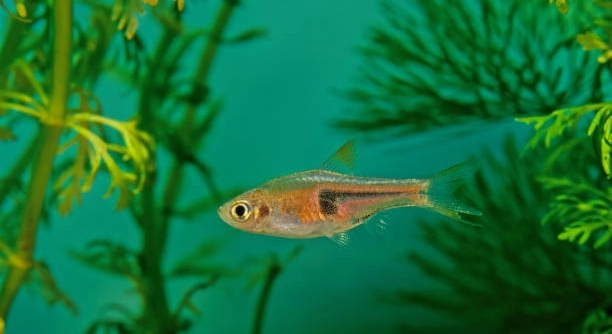
Rasboras are small, colorful fish that many aquarium enthusiasts enjoy observing. Their active and social nature makes them a popular choice for home tanks. Learning how to encourage their natural exploration can enhance the enjoyment of keeping these fish.
Boosting rasbora exploration involves creating an environment that mimics their natural habitat, providing plenty of hiding spots, and maintaining optimal water conditions. Enrichment can also be achieved through varied feeding routines and gentle interaction to stimulate their curiosity and activity.
Improving these conditions helps rasboras feel secure and motivated to explore their surroundings more actively. This article outlines practical ways to support their natural behaviors.
Create a Natural Habitat with Plants and Decorations
A natural habitat encourages rasboras to explore more actively. Adding live plants such as Java moss, Anubias, or floating plants helps mimic their environment. These plants provide cover and resting spots, which make rasboras feel safe and less stressed. Decorations like small caves or driftwood also give them places to investigate and hide. Using smooth gravel or sand at the tank bottom replicates their natural substrate, making the tank more inviting. When the tank feels like home, rasboras are more likely to swim around freely, displaying their natural behaviors. Make sure to arrange plants and decorations in a way that allows open swimming space, so they don’t feel confined. The balance between hiding places and open areas is key to encouraging their movement and curiosity.
Providing a natural setting is essential to the health and behavior of rasboras. They respond well to environments that closely resemble their native habitats.
Maintaining a well-planted tank not only enhances exploration but also improves water quality by absorbing nitrates and providing oxygen. Plants reduce stress by offering shelter from bright lights or tank mates. Adding varied decorations breaks up the scenery, encouraging rasboras to move around and investigate. Each rasbora may have its own favorite spot to explore or rest, so offering choices keeps their environment stimulating. Avoid overcrowding the tank to maintain good water circulation and give the fish plenty of space to swim. Regularly trimming plants and cleaning decorations helps keep the habitat healthy and attractive. With these efforts, rasboras are more comfortable and eager to explore every corner of their aquarium.
Maintain Stable and Optimal Water Conditions
Water quality directly affects rasbora activity levels. Keep temperature between 72°F and 78°F, and ensure the pH stays slightly acidic to neutral (6.0–7.0). Sudden changes in water parameters cause stress, reducing their willingness to explore. Regular partial water changes of 20–30% weekly help maintain clean water and stable conditions. Monitor ammonia, nitrite, and nitrate levels to keep the tank safe. Using a reliable filter that provides gentle flow replicates their natural slow-moving waters. Avoid strong currents or turbulence, which can discourage exploration and tire the fish. Proper aeration and good filtration promote oxygen levels that support healthy activity.
Stable water conditions reduce stress and support the natural behaviors of rasboras. They swim more confidently when their environment remains consistent.
When water parameters fluctuate, rasboras often hide or become inactive. Consistent monitoring and maintenance allow you to catch problems early. Using a quality test kit helps keep track of water chemistry. Adjust temperature gradually to avoid shocking the fish. Choosing appropriate filtration helps maintain clarity without disturbing the tank’s balance. Clean water supports the immune system, reducing disease risks that could limit activity. Well-maintained conditions encourage rasboras to explore, interact with their environment, and show their colors fully. Maintaining stable water quality is a simple but powerful way to boost exploration and keep your fish happy and healthy.
Provide Hiding Spots and Open Swimming Areas
Rasboras need places to hide as well as open spaces to swim. Offering both helps them feel secure and encourages movement throughout the tank. Too many hiding spots can make them shy, while too few may cause stress.
Creating a balance between shelter and open water lets rasboras choose when to explore and when to rest. Small caves, smooth rocks, and dense plants make perfect hiding places. Leave enough open water for swimming, as rasboras are active fish that enjoy moving freely. Watching them dart between cover and open areas reveals their natural curiosity. This setup supports their social nature and promotes healthy interaction within the school.
When hiding spots are well-placed, rasboras feel less threatened by tank mates or changes. Open swimming areas let them show their colors and natural behaviors. Both elements together create an environment that supports activity and reduces stress, making the fish more lively and engaging to watch.
Vary Their Diet to Stimulate Exploration
Offering a varied diet encourages rasboras to search and explore for food. Different foods like flakes, frozen daphnia, or live brine shrimp keep feeding interesting and motivate natural hunting behaviors. This variety supports their health and activity levels.
Introducing food in different ways, such as scattering flakes or using feeding rings, encourages movement throughout the tank. Live and frozen foods also add nutritional value and trigger natural instincts. This variety prevents boredom and keeps rasboras engaged with their environment during feeding times.
A balanced, varied diet improves coloration and energy. Providing small amounts several times a day mimics their natural feeding habits. Healthy rasboras are more active and curious. Changing feeding routines slightly also stimulates their senses and exploration habits, helping keep their aquarium environment lively and dynamic.
Encourage Gentle Interaction
Rasboras respond well to calm movements outside the tank. Moving slowly near the aquarium can attract their attention without causing stress. This interaction helps build trust and curiosity over time.
Avoid sudden or fast motions. Soft gestures encourage rasboras to explore closer to the glass, making their behavior easier to observe and enjoy.
Use Soft Lighting to Promote Exploration
Bright or harsh lighting can make rasboras hide more often. Using soft, natural light encourages them to swim freely and explore. Dimmed lighting simulates dawn or dusk, times when they are naturally more active.
Adjustable LED lights or floating plants can help diffuse the light, reducing glare. Proper lighting improves their colors and mood, making the tank more inviting for activity.
Keep a Consistent Schedule
Rasboras thrive on routine. Feeding, lighting, and maintenance at regular times create a predictable environment that reduces stress. This consistency encourages natural behaviors, including exploration.
A steady schedule helps rasboras feel secure and supports their overall health.
FAQ
How often should I clean my rasbora tank to encourage exploration?
Regular cleaning is important but don’t overdo it. Perform partial water changes of about 20-30% weekly to maintain good water quality. Cleaning the substrate and removing uneaten food helps reduce harmful bacteria that can stress the fish. A clean tank creates a healthier environment where rasboras feel safe to swim and explore more actively.
What is the best group size for rasboras to promote natural behavior?
Rasboras are schooling fish and feel most comfortable in groups of six or more. A larger group encourages natural social interaction, which increases activity and exploration. Smaller groups may make them shy or stressed, reducing their movement and hiding more often. Keeping an appropriate number helps them feel secure and more willing to explore.
Can tank mates affect rasbora exploration?
Yes, tank mates can impact how freely rasboras explore. Peaceful, similarly sized fish are ideal companions. Aggressive or very large fish can intimidate rasboras, causing them to hide and reduce activity. Choosing calm tank mates supports a stress-free environment, encouraging rasboras to be more active and curious.
How important is temperature control for rasbora activity?
Temperature plays a key role in their metabolism and behavior. Keeping the water temperature steady between 72°F and 78°F helps maintain normal activity levels. Sudden changes or temperatures outside this range can cause stress or lethargy, reducing their willingness to explore. A reliable heater and thermometer help keep conditions stable.
What foods should I avoid to keep rasboras healthy and active?
Avoid overfeeding and feeding only one type of food. Overfeeding leads to poor water quality, which stresses the fish and lowers activity. Also, avoid feeding large pellets or foods too big for their small mouths. Stick to small flakes, micro-pellets, or live/frozen foods to maintain health and encourage natural foraging behaviors.
Is lighting important for rasbora exploration?
Yes, lighting influences their behavior significantly. Too bright or harsh lighting makes them shy and hiding. Soft or diffused lighting encourages them to swim openly and explore. Mimicking natural day and night cycles with timers helps keep their routine steady and supports regular activity.
How can I tell if my rasboras are stressed or unhappy?
Signs of stress include hiding constantly, loss of color, erratic swimming, or reduced appetite. If they are not exploring and stay in one spot, it may mean something in their environment is wrong. Checking water quality, tank mates, and habitat setup can help identify and fix issues, restoring their normal behavior.
Can decorations or plants impact rasbora exploration?
Yes, decorations and plants provide stimulation and security. Live plants offer hiding spots and help maintain water quality, which promotes health and activity. However, overcrowding the tank with too many decorations can limit swimming space and reduce exploration. Balancing hiding spots with open areas encourages movement and natural behaviors.
How does feeding frequency affect rasbora behavior?
Feeding small amounts two to three times a day mimics their natural habits and keeps them active. Large, infrequent feedings can cause inactivity and waste buildup. Spreading out feedings encourages regular searching and exploration within the tank, supporting their natural instincts and energy levels.
Are there any special care tips for boosting rasbora exploration during tank changes?
During tank setup or changes, keep water parameters consistent and introduce new elements gradually. Sudden changes can stress rasboras and reduce activity. Quarantine new plants or decorations to avoid pests or toxins. Giving the fish time to adjust helps maintain their confidence to explore the environment comfortably.
Final Thoughts
Encouraging rasbora exploration is largely about creating a comfortable and stable environment. These small fish thrive when their tank mimics the natural conditions they are used to. Providing live plants, hiding spots, and open swimming areas gives them a space that feels safe but also interesting. This balance between shelter and room to move helps rasboras show their natural behaviors. When they feel secure, they are more likely to explore and stay active, which improves their overall health and appearance.
Water quality and stable conditions are also critical for promoting activity. Rasboras are sensitive to sudden changes in temperature, pH, and water cleanliness. Regular partial water changes and proper filtration help maintain a healthy tank environment. Consistency in maintenance routines supports their well-being and encourages natural behavior. When the water stays clean and stable, the fish experience less stress and are more willing to swim and explore their surroundings.
Feeding habits and gentle interaction can further enhance rasbora exploration. Offering a varied diet and feeding in ways that mimic natural foraging keeps them engaged and curious. Moving slowly around the tank helps build trust and stimulates their interest in their environment. Lighting also plays a role; soft, natural light encourages movement while harsh light can make them hide. Together, these simple steps create a tank where rasboras can thrive, exploring actively and displaying their vibrant colors.

Hello,
If you enjoy the content that we create, please consider saying a "Thank You!" by leaving a tip.
Every little bit helps us continue crafting quality advice that supports the health, happiness, and well-being of pets around the world, for pets of all shapes, sizes, and species.
We really appreciate the kindness and support that you show us!