
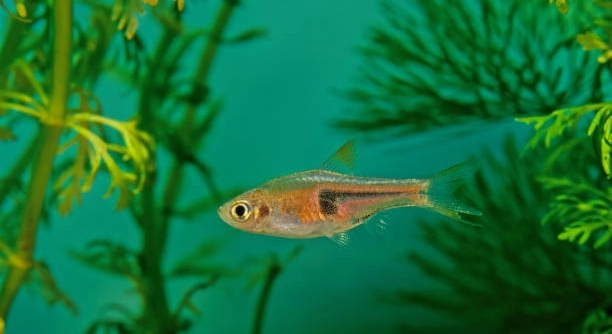
Many aquarium owners enjoy rearranging their tanks to create fresh environments for their fish. When it comes to rasboras, these small, active fish can react noticeably to changes in their surroundings. Observing their behavior after a tank rearrangement reveals important insights about their adaptability.
After a tank rearrangement, rasboras typically become more cautious and may temporarily reduce their activity levels. They often explore the new layout carefully while staying close to familiar hiding spots. This cautious adjustment period helps them acclimate to the changed environment.
Understanding how rasboras respond to changes helps ensure their well-being and a smooth transition during tank updates. This article explores what to expect and how to support your fish after rearranging their habitat.
How Rasboras React Immediately After Rearrangement
Rasboras often become cautious right after their tank is rearranged. They may swim slower or hide more than usual. This behavior is natural because the change disrupts their familiar surroundings. They rely on the tank’s layout to feel safe, so sudden changes can cause stress. You might notice them sticking close to plants or decorations they recognize. Some rasboras may even stay still for a while, watching their new environment before moving around freely. The presence of hiding spots can help them feel more secure. This period of adjustment usually lasts a few hours to a couple of days. Gradually, they start exploring more confidently as they become comfortable with the new setup. It’s important to avoid making further changes during this time to prevent additional stress. Maintaining stable water conditions alongside the rearrangement also helps them settle down faster.
Immediate reactions in rasboras mainly include reduced activity and increased hiding. These signs show they are adapting to the change.
Rasboras rely on familiar landmarks to feel safe. When those change, it takes time for them to regain confidence. Keeping the tank calm and stable supports their adjustment period. Watching their behavior closely during this time helps ensure they are coping well.
Supporting Rasboras During Adjustment
To support rasboras after a rearrangement, try to keep the tank environment calm and stable. Avoid sudden changes in lighting or water flow that could add to their stress. Providing plenty of plants and hiding places gives them comfort and security. You can also keep feeding consistent with their usual schedule to maintain a sense of normalcy. It’s best to limit disturbances around the tank, such as loud noises or frequent tapping on the glass. Patience is key because most rasboras will adapt naturally within a few days. If you notice prolonged hiding or loss of appetite, check water quality and temperature to rule out other issues. Helping your fish feel safe supports their health and reduces stress-related problems. With care and time, your rasboras will regain their normal behavior and enjoy the refreshed tank layout.
Signs of Stress in Rasboras After Rearrangement
Rasboras may show signs of stress when their tank is rearranged. These signs include hiding more than usual, swimming erratically, or losing interest in food. Noticing these behaviors early helps prevent long-term problems.
Stress in rasboras often results from sudden changes in their environment. When the layout shifts, they can feel vulnerable because their usual hiding spots or swimming paths are altered. This can lead to erratic swimming patterns, such as darting around quickly or staying at the bottom of the tank. Some fish may also stop eating temporarily, which can be worrying but is usually short-lived if the environment stabilizes quickly. Keeping water parameters steady and minimizing disturbances helps reduce stress. Observing your fish closely during this time ensures that any prolonged signs of distress are addressed promptly.
Prolonged stress can weaken rasboras’ immune systems, making them more prone to illness. Watch for color fading or lethargy, which indicate a need for intervention. Providing plenty of plants and shelters helps create a sense of safety, easing their stress. Avoid rearranging the tank again too soon, as frequent changes can worsen their condition.
Encouraging Rasboras to Explore the New Environment
Encouraging rasboras to explore after rearrangement helps them adjust faster. Creating safe zones with plants and decorations invites them to swim confidently and reduces fear.
Using familiar decorations or plants can make the new layout feel less intimidating for rasboras. You can place dense plants or hiding spots near the tank’s edges, giving them secure areas to retreat if needed. Gradually, they will feel safer to swim in open spaces. Feeding them in different areas of the tank also encourages movement and exploration. Gentle lighting helps avoid sudden shadows that might scare them. Over time, these steps help rasboras regain their usual active and social behavior. Consistent care and a calm environment make the transition smoother, improving their overall well-being after rearrangement.
When to Expect Normal Behavior to Return
Rasboras usually begin acting normally within a few days after rearranging their tank. Their curiosity grows, and they swim more confidently as they adjust to the new layout.
If stress signs persist beyond a week, it may indicate other issues such as water quality or illness. Monitoring water parameters and behavior is important during this time.
Importance of Stable Water Conditions
Maintaining stable water conditions is essential for helping rasboras adapt after rearrangement. Sudden changes in temperature, pH, or ammonia levels increase stress and slow recovery. Regular water testing and partial water changes support their health. Keeping the tank clean without disrupting the environment too much also encourages normal behavior. Stable water conditions create a comfortable space for rasboras to feel safe and explore confidently.
Avoiding Frequent Tank Changes
Frequent rearranging can cause ongoing stress and confusion for rasboras. Limiting changes gives them time to settle and reduces anxiety. Once the tank is arranged, wait at least several weeks before making any major adjustments to allow your fish to fully adapt.
FAQ
How long does it take for rasboras to adjust after a tank rearrangement?
Rasboras generally take a few days to start acting normal after their tank is rearranged. Most will explore the new setup within three to five days, but some shy fish might take up to a week to fully settle. During this time, it’s normal for them to hide more or swim cautiously. Keeping the environment calm and stable helps speed up their adjustment.
Why do rasboras hide after rearranging the tank?
Hiding is a natural response to stress caused by sudden changes. When their familiar environment changes, rasboras feel vulnerable. They use hiding spots as safe zones to protect themselves until they feel more confident. Dense plants, rocks, or decorations provide comfort and reduce their anxiety during this period.
Can rearranging the tank harm my rasboras?
Rearranging the tank itself usually doesn’t cause harm if done carefully. However, sudden or frequent changes can increase stress and weaken their immune system, making them more prone to illness. It’s important to avoid disturbing the water too much and to maintain stable water conditions when making changes.
What should I do if my rasboras stop eating after rearrangement?
A temporary loss of appetite is common after a tank rearrangement due to stress. You can try feeding small amounts of their favorite foods to encourage eating. Make sure water conditions are stable and avoid sudden noises or disturbances. If the lack of appetite continues beyond a week, check for signs of illness or poor water quality.
How can I reduce stress for rasboras during tank changes?
To reduce stress, rearrange the tank slowly and keep some familiar elements in place. Provide plenty of hiding spots and maintain consistent lighting and water conditions. Avoid sudden loud noises and limit activity around the tank while the fish adjust. Patience is key; giving them time to get used to the changes helps their well-being.
Is it okay to rearrange the tank frequently?
Frequent rearrangements are not recommended because rasboras need time to adjust to their environment. Constant changes can cause ongoing stress and affect their health. It’s best to wait at least several weeks between rearrangements, allowing the fish to fully settle before making new changes.
Do all rasboras react the same way to tank rearrangement?
Not all rasboras react the same. Some species or individual fish may be more timid and hide longer, while others explore quickly. Factors like tank size, layout complexity, and presence of hiding spots also influence their behavior. Observing your specific fish helps you understand their unique adjustment process.
Can tank rearrangement improve my rasboras’ health or behavior?
Yes, rearranging the tank can provide mental stimulation and reduce boredom, which benefits your rasboras. Introducing new plants or decorations encourages exploration and natural behavior. However, changes should be balanced with stability to avoid causing stress. A well-planned rearrangement can enhance their environment and overall well-being.
What signs show that my rasboras are fully adjusted?
Fully adjusted rasboras swim actively and confidently throughout the tank. They show interest in food and interact with other fish. Their colors appear bright, and they no longer hide excessively. Watching these positive behaviors confirms that your fish are comfortable and happy in their new setup.
Should I change the water when rearranging the tank?
It’s usually best to avoid large water changes right before or after rearranging the tank. Sudden changes in water chemistry can add stress to your fish. Instead, do small, regular water changes to keep the water clean and stable. Maintaining consistent water quality supports your rasboras during transitions.
Final Thoughts
Rearranging a tank can be a positive change for both the fish and the aquarium owner. For rasboras, it means a fresh environment that can encourage new behaviors and curiosity. However, it is important to remember that these small fish rely heavily on familiarity for their sense of safety. When their surroundings are altered, they may feel stressed or cautious at first. This is a normal reaction and should be expected. Giving rasboras time to adapt without adding extra disturbances will help them settle in smoothly. Patience is key during this adjustment period.
Keeping water conditions stable is just as important as the physical layout of the tank. Rasboras are sensitive to sudden changes in temperature, pH, and water quality, especially after rearranging their home. Ensuring that the water is clean and within the proper parameters supports their health and reduces stress. Avoid making multiple changes at once, like combining rearrangement with water parameter shifts, since this can overwhelm the fish. A calm, stable environment provides the best chance for rasboras to feel safe and regain their normal behavior quickly.
Supporting rasboras during and after rearrangement means offering plenty of hiding spots and keeping feeding consistent. Plants, rocks, and decorations give them places to retreat and explore at their own pace. Regular feeding at the same time and with familiar food reassures them that their needs are met. While it might be tempting to change the tank often to try new looks, it is best to limit these changes to allow the fish to fully adjust. Watching their behavior closely will help identify if they are comfortable or if something else needs attention. In the end, thoughtful care and patience will keep rasboras healthy and happy in their refreshed home.

Hello,
If you enjoy the content that we create, please consider saying a "Thank You!" by leaving a tip.
Every little bit helps us continue crafting quality advice that supports the health, happiness, and well-being of pets around the world, for pets of all shapes, sizes, and species.
We really appreciate the kindness and support that you show us!