
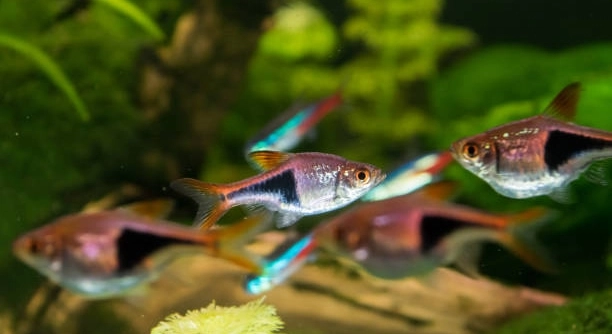
Training rasboras with food cues can help improve their feeding behavior and interaction in your aquarium. Many fish owners look for ways to gently guide their fish towards better habits through simple signals. This approach can make feeding time more predictable and enjoyable.
Training rasboras using food cues involves consistent pairing of a specific signal, such as a tapping sound or light flash, with feeding times. Over repeated sessions, the fish learn to associate the cue with food availability, improving their response and reducing stress.
Understanding how to use these food cues effectively can lead to a healthier and more engaged aquarium environment for your rasboras.
Understanding Food Cues for Rasbora Training
Rasboras respond well to consistent signals linked with feeding, which can be sounds, lights, or gentle taps on the tank. The key is repetition; repeating the same cue before feeding helps the fish recognize it as a signal that food is coming. This reduces their anxiety and creates a routine that makes feeding smoother for both the fish and the keeper. Timing is important — the cue should happen just before food is given, not during or after. Patience is needed because the fish may take several days to fully associate the cue with food. Observing their reaction over time will show progress, like increased movement or anticipation when the cue occurs. Using food cues also helps reduce overfeeding since the fish learn to respond only at the right times. Overall, food cue training supports healthier, calmer fish.
Training rasboras with food cues improves their response to feeding routines and reduces stress in the aquarium.
This method works because fish naturally link repeated signals with important events. By introducing a consistent cue before feeding, you teach the rasboras to expect food at certain times. This helps manage their behavior and supports their well-being.
Preparing Your Aquarium and Tools for Training
Before starting food cue training, set up your tank environment to support clear communication. Avoid loud noises or sudden movements around the aquarium, as these can confuse or scare the fish. Choose a simple cue, like tapping the glass lightly or switching on a small light near the tank, and always use the same one. Keep feeding portions small and consistent to maintain their interest. Prepare food that is easy to distribute quickly to reinforce the connection between cue and feeding. It’s also helpful to have a dedicated feeding spot in the tank to build routine. Maintaining a calm and quiet environment increases the chance of successful training sessions and helps the fish feel safe during feeding times.
Consistent environment and clear signals are essential for effective food cue training.
A quiet, stable tank area with a specific, repeatable cue makes it easier for rasboras to learn. Using the same signal and feeding spot every time builds trust and routine, leading to better results in training.
Timing and Consistency in Training
Consistency is key to training rasboras with food cues. Always use the same signal and feed at regular times. This helps the fish recognize the pattern quickly. Avoid changing feeding times or signals too often, as it can confuse them.
Rasboras thrive when they experience a predictable routine. Feeding at the same time each day, paired with a clear cue, creates a strong connection in their minds. They start to anticipate feeding and respond faster to the signal. Missing a session or changing the cue weakens this association. Short training sessions, about 5 to 10 minutes daily, are enough. Over time, this repetition helps the fish form lasting habits, improving their behavior and reducing stress around feeding.
Keeping the environment calm during training also matters. Stress can disrupt learning, so avoid sudden movements or noises. The more peaceful the tank surroundings, the better the fish respond to the cues and training process.
Recognizing Signs of Successful Training
Successful training shows in the fish’s behavior around feeding times. They start reacting to the cue even before food appears. Movement towards the feeding area and increased alertness are good signs.
Once rasboras link the cue to food, they become more active when it occurs. They may swim closer to the glass or gather near the feeding spot quickly. This shows they understand the signal means food is coming. A strong response also means they feel comfortable and confident in the routine. If the fish ignore the cue or seem stressed, the timing or environment may need adjustment. Tracking these responses helps improve training techniques and ensures the fish’s well-being over time.
Common Challenges in Food Cue Training
Some rasboras may take longer to learn food cues, especially if they are shy or stressed. Patience and gentle repetition help overcome this.
Inconsistent signals or feeding times can also slow progress. Keeping the routine steady is important to avoid confusion and improve learning.
Adjusting Training Techniques
If fish aren’t responding well, try changing the cue slightly or feeding at a different time. Sometimes a softer tap or a different light helps. Also, reduce distractions around the tank during training to keep their focus.
Watch their behavior closely and adapt your approach as needed. Small changes can make a big difference in how quickly the rasboras pick up the cue. This flexibility improves the training experience and helps maintain the fish’s interest.
Benefits Beyond Feeding
Training rasboras with food cues also builds trust and reduces stress. It creates a peaceful feeding environment.
FAQ
How long does it take to train rasboras with food cues?
Training time varies depending on the individual fish and how consistent the routine is. Generally, you can expect to see responses within one to two weeks of daily, consistent cue use. Some rasboras may learn faster, while others need more time. Patience and repetition are essential.
What kind of cues work best for rasboras?
Simple, consistent signals like a gentle tap on the tank glass or switching on a small light near the aquarium are effective. The cue should be easy to repeat every feeding session without startling the fish. Choose one cue and stick with it throughout the training period.
Can all types of rasboras be trained with food cues?
Most common rasbora species respond well to food cue training, especially the harlequin and galaxy rasboras. However, some shy or very small species might take longer to respond or need extra care during training. Observing their behavior is important to adjust the approach.
What if my rasboras don’t respond to the food cue?
If your fish show little or no reaction, check your timing and consistency first. Make sure the cue happens just before feeding and is repeated regularly. Also, reduce distractions around the tank and keep the environment calm. Trying a different cue or feeding time can help.
Is there a risk of overfeeding during training?
Overfeeding is a concern when training fish, but it can be avoided by giving small, measured portions during training sessions. The cue should signal a feeding time, not an unlimited feeding opportunity. Monitoring food amounts and the fish’s health helps maintain a balanced diet.
Can food cue training reduce stress for my rasboras?
Yes, training with clear signals helps rasboras know what to expect, which lowers stress during feeding times. Predictable routines make fish feel safer and more comfortable in their environment, improving their overall well-being.
Do I need special equipment to train my rasboras?
No special equipment is required. Simple tools like a small flashlight or using a tapping sound on the tank glass work well. The key is consistency and calmness, not complex gear.
How often should I train my rasboras with food cues?
Daily short sessions of about 5 to 10 minutes work best. Regular practice builds a stronger connection between the cue and feeding. Avoid long or irregular sessions, which can confuse the fish or reduce their interest.
Can I use food cue training for other behaviors?
Food cues mainly help with feeding routines but can also encourage fish to come to specific areas of the tank. This can be useful for health checks or tank maintenance. However, more complex behavior training requires additional techniques beyond simple food cues.
What should I do if the fish get stressed during training?
Stop training for a day or two if you notice signs of stress like hiding, erratic swimming, or loss of appetite. Reduce noise and movements near the tank. Resume training gently once the fish appear calm again.
Will food cue training improve my fish’s health?
While food cues don’t directly improve health, they support better feeding habits and reduce stress. Both of these factors contribute to a healthier fish over time. Consistent feeding and lower stress levels are important for long-term well-being.
Final Thoughts
Training rasboras with food cues is a simple and effective way to improve your fish’s behavior and feeding routine. By using a consistent signal before feeding, you help your fish learn when to expect food. This reduces their stress and creates a calmer environment in the tank. It also makes feeding time easier for you, since your rasboras will respond more predictably. The key to success is patience and regular practice. Fish do not learn overnight, but with daily repetition, they will start to recognize the cues and behave accordingly. Over time, this small effort can make a big difference in how your fish interact with their surroundings.
Keeping the training sessions short and consistent is important. Long or irregular sessions can confuse the fish or cause them to lose interest. A few minutes each day is enough to build the connection between the cue and feeding. Choosing a clear and simple signal, like tapping the glass or using a small light, helps the fish associate it easily with food. It is also important to keep the tank environment calm and quiet during training. Sudden noises or movements can stress the fish and interrupt their learning. By maintaining a peaceful space, your rasboras will feel safe and more willing to respond to the cues.
Lastly, food cue training offers benefits beyond just feeding. It helps build trust between you and your fish and encourages a healthier aquarium atmosphere. When rasboras understand the routine, they feel less anxious and more confident in their tank. This can improve their overall health and activity levels. While it takes some time and attention, training your rasboras with food cues is a rewarding way to connect with them and ensure their well-being. With patience and care, you can create a peaceful, enjoyable feeding experience for both you and your fish.

Hello,
If you enjoy the content that we create, please consider saying a "Thank You!" by leaving a tip.
Every little bit helps us continue crafting quality advice that supports the health, happiness, and well-being of pets around the world, for pets of all shapes, sizes, and species.
We really appreciate the kindness and support that you show us!