
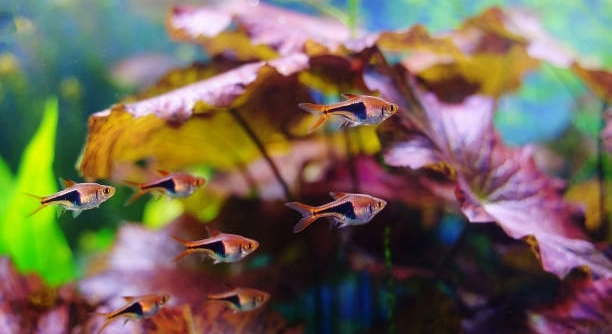
Rasboras are small, colorful fish known for their natural tendency to swim together in groups. Observing their schooling behavior adds both beauty and calm to any aquarium environment. Encouraging this behavior can improve their wellbeing and overall tank harmony.
To promote schooling behavior in rasboras, it is important to maintain a group of at least six or more individuals, provide ample swimming space, and create a well-planted tank with gentle water flow. Stable water conditions and minimal stress also support their natural instincts.
Learning how to create the ideal environment for rasboras helps maintain their health and encourages the peaceful group dynamics they are known for. This article explains practical steps to support their schooling habits.
Creating the Right Group Size
Rasboras feel safest and display their natural schooling behavior when kept in groups. A minimum of six fish is recommended, but more is often better. Smaller groups tend to cause stress and make the fish hide rather than swim together. When kept in adequate numbers, rasboras will move fluidly as a group, showing their bright colors and social nature. It’s important to introduce the entire group to the tank at the same time or within a short period. This helps establish their social bonds. Avoid mixing too many different species in the same tank, as this can disrupt their comfort and reduce schooling behavior. Group size directly influences how relaxed and natural the fish appear.
Keeping six or more rasboras encourages stable schooling and lowers stress levels, making your aquarium lively and visually appealing.
A consistent group size ensures the fish feel secure and display their best behavior, enhancing the tank’s atmosphere for everyone who watches.
Tank Environment and Conditions
Proper tank setup plays a key role in encouraging rasbora schooling behavior. They prefer a spacious tank that offers plenty of swimming room and places to hide. Adding plants like Java fern or floating species provides shelter and reduces stress, which is essential for group cohesion. Water flow should be gentle, simulating their natural habitats without creating strong currents. Clean, stable water with parameters suited to rasboras—like a temperature between 72 and 78°F and slightly acidic to neutral pH—helps keep the fish healthy and calm. Lighting should be moderate; too bright or too dim lighting may cause them to hide. Regular water changes and filtration maintain good water quality, which supports their natural behavior. Maintaining these conditions ensures rasboras feel comfortable enough to school actively and display their colors. The tank environment has a direct impact on their ability to interact smoothly as a group.
Feeding to Support Schooling
Proper nutrition helps rasboras stay active and healthy, which encourages schooling behavior. Offering a varied diet keeps them interested and energetic. Feeding small amounts two to three times daily prevents overeating and water quality issues.
A balanced diet including high-quality flake foods, micro-pellets, and occasional live or frozen foods like brine shrimp or daphnia provides essential nutrients. These options help maintain their bright colors and overall health. Uneaten food should be removed promptly to avoid fouling the water, which can stress the fish and disrupt schooling. Feeding routines that mimic natural grazing encourage regular movement and group activity in the tank.
Keeping feeding consistent and balanced ensures rasboras have the energy needed for schooling. A healthy diet directly influences their willingness to swim together and exhibit natural behaviors.
Minimizing Stress Factors
Stress can cause rasboras to scatter and lose their schooling instinct. Avoid sudden changes in water temperature or chemistry. Maintain stable conditions to keep them calm and social. Loud noises and sudden movements near the tank also disturb them.
Regular tank maintenance and gentle handling reduce stress. Using a cover or background reduces external disturbances. Providing hiding spots in the tank helps the fish feel secure, which promotes schooling. Avoid overcrowding or aggressive tank mates that could intimidate rasboras. Stress weakens their immune system and disrupts group behavior. Creating a calm environment supports natural interaction and strengthens their schooling tendencies. Observing and addressing signs of stress quickly is key to maintaining a peaceful, schooling group of rasboras.
Lighting and Its Effect on Schooling
Lighting impacts how comfortable rasboras feel in the tank. Moderate lighting helps them see each other clearly and stay together as a group.
Too bright or too dim lighting can cause stress or hiding, breaking their schooling behavior. Balanced light encourages natural activity and interaction.
Compatible Tank Mates
Choosing peaceful tank mates supports rasbora schooling. Aggressive or large fish can frighten them, causing disruption in their group.
Ideal companions include small, non-aggressive species that occupy different tank levels. Compatibility reduces stress and encourages smooth schooling behavior.
Water Quality Maintenance
Maintaining clean water is essential for rasboras to feel secure and school naturally. Regular water changes keep toxins low and oxygen levels high.
Good filtration and monitoring of ammonia, nitrite, and nitrate levels protect fish health. Consistent water quality supports active schooling and long-term wellbeing.
What is schooling behavior in rasboras?
Schooling behavior is when rasboras swim closely together in a coordinated group. This natural instinct helps protect them from predators and reduces stress. In aquariums, schooling also creates a peaceful, attractive display. It is an important part of their social nature and overall wellbeing.
Why do rasboras need to be kept in groups?
Rasboras feel safer and more comfortable in groups. Keeping fewer than six can cause stress, making them hide or act skittish. Groups encourage natural swimming patterns and social interaction. More fish in the group generally means better schooling and a more vibrant tank environment.
How many rasboras should be kept together?
A minimum of six is recommended, but larger groups often show stronger schooling behavior. Groups of eight to twelve are ideal for a standard aquarium. This number allows the fish to form stable social bonds and swim smoothly together without overcrowding the tank.
Can rasboras school with other fish species?
Rasboras may school loosely with other small, peaceful fish, but they prefer their own kind. Mixing species can sometimes disrupt tight schooling and cause stress. For best results, keep them mainly with other rasboras or compatible species that do not compete aggressively.
What tank size is best for schooling rasboras?
A tank of at least 20 gallons provides enough space for a proper group of rasboras to swim comfortably. More swimming room encourages natural schooling behavior. Smaller tanks can make the group feel cramped, which may reduce their activity and social interactions.
What kind of plants and decorations help rasboras school?
Live plants like Java fern, Amazon swords, and floating plants offer shelter and security. These create a natural environment and reduce stress. Decorations should allow plenty of open swimming space. Hiding spots help the fish feel safe, encouraging confident schooling.
How does water flow affect rasbora schooling?
Rasboras prefer gentle water movement that mimics their natural habitat. Strong currents can tire them or cause them to scatter. A calm to moderate flow keeps the fish comfortable and helps maintain their group cohesion as they swim together.
What water parameters support rasbora schooling?
Stable water conditions are key. Ideal temperature ranges from 72 to 78°F (22 to 26°C). pH should be slightly acidic to neutral, between 6.0 and 7.5. Low nitrate levels and good oxygenation also promote health and schooling behavior.
How often should I feed rasboras?
Feed small portions two to three times a day to keep them active and healthy. Overfeeding can pollute the water, causing stress and harming schooling. A varied diet with flakes, pellets, and occasional live or frozen foods supports their nutrition.
What signs show that rasboras are stressed?
Signs include hiding, lethargy, loss of color, and reduced schooling. Aggression or constant darting also indicates discomfort. Stress can be caused by poor water quality, inappropriate tank mates, or sudden environmental changes.
How can I reduce stress to encourage schooling?
Keep water stable and clean, avoid sudden changes, and provide hiding places. Limit loud noises and vibrations near the tank. Choose peaceful tank mates and maintain proper group sizes to create a calm, secure environment.
Is it necessary to have a dark or light tank background?
A darker background often makes rasboras feel more secure and enhances their coloration. It can also reduce reflections and distractions, helping maintain group cohesion. However, the choice depends on tank setup and personal preference.
What is the best way to introduce new rasboras to an existing group?
Add new fish in small numbers and quarantine them beforehand to prevent disease. Introduce them slowly and watch for signs of aggression or stress. A well-established group usually accepts newcomers more easily if the tank is large enough.
How long does it take for rasboras to start schooling?
Rasboras may begin schooling within days of being placed in the right environment with their group. It depends on tank conditions, group size, and stress levels. Consistent care and proper setup encourage quicker and stronger schooling behavior.
Can rasboras school in small tanks?
Small tanks limit swimming space and can reduce natural schooling behavior. While small groups can live in tanks under 20 gallons, their activity and social interaction will be less than in larger tanks. More space supports healthier, livelier groups.
How often should water be changed to maintain good conditions?
Perform partial water changes of 20-30% weekly to keep water clean and stable. Regular changes reduce toxins and help maintain ideal parameters, supporting healthy schooling and overall fish wellbeing. Avoid sudden large changes that can stress the fish.
Are there any signs that rasboras are not schooling properly?
If fish swim separately, hide frequently, or appear stressed, schooling may be disrupted. Uneven group sizes or aggressive tank mates often cause this. Ensuring proper conditions and tank mates will help restore natural group behavior.
Final Thoughts
Encouraging schooling behavior in rasboras is essential for their wellbeing and the overall harmony of the aquarium. These fish are naturally social and feel safest when swimming in groups. Providing the right environment, group size, and stable conditions allows them to express their natural behaviors fully. When rasboras school properly, they display more vibrant colors and move more actively, which adds a peaceful and attractive element to the tank. Paying attention to their needs creates a healthier, more balanced habitat for both the fish and the aquarium owner.
Maintaining good water quality and proper tank setup plays a crucial role in supporting rasbora schooling. Clean, stable water with the correct temperature and pH levels reduces stress and promotes healthy interactions among the fish. Plants and decorations that offer hiding spots help rasboras feel secure, while open swimming areas give them room to move as a group. Feeding a balanced diet and avoiding overcrowding also keep the fish healthy and active. Every part of the aquarium setup influences how well the fish will school, so consistent care and monitoring are important.
Understanding the natural instincts and needs of rasboras helps improve their quality of life in captivity. Avoiding sudden changes, minimizing stress factors, and choosing compatible tank mates support the peaceful schooling behavior these fish naturally display. While rasboras are relatively easy to care for, success depends on attention to detail and providing conditions that closely match their natural habitat. Following these guidelines results in a lively, healthy group of fish that are a joy to watch and care for in any home aquarium.

Hello,
If you enjoy the content that we create, please consider saying a "Thank You!" by leaving a tip.
Every little bit helps us continue crafting quality advice that supports the health, happiness, and well-being of pets around the world, for pets of all shapes, sizes, and species.
We really appreciate the kindness and support that you show us!