
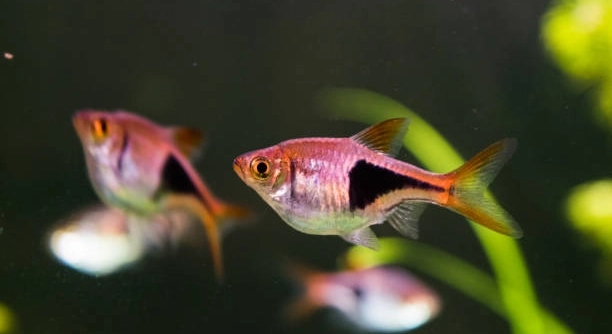
Have you ever observed your rasboras and felt they were behaving differently indoors compared to their natural habitat in the wild?
Rasboras exhibit several natural instincts indoors, including schooling, darting behavior, foraging, hiding, territorial displays, surface feeding, and color changes. These behaviors are rooted in survival, social bonding, and environmental responses even within an aquarium setting.
Understanding these instincts helps create a healthier, more engaging home for your fish while giving insight into their natural tendencies and needs.
Schooling Behavior Indoors
Rasboras are natural schoolers, and this behavior continues in a home aquarium. They feel more secure and less stressed when kept in groups of six or more. This instinct helps them move together in unison, making them appear confident and synchronized. If kept alone or in small numbers, rasboras often become skittish or hide. In the wild, schooling offers protection against predators and supports efficient movement through changing environments. Indoors, while the risks are different, the instinct remains strong. Providing them with tank mates of the same species allows these fish to act naturally, reducing stress and encouraging activity.
This group behavior also encourages more stable eating patterns and healthier coloration, as rasboras feel safe enough to swim freely and explore their space.
If your rasboras seem shy or inactive, check their numbers. Restoring their group can improve behavior, health, and how they interact with their environment.
Darting and Startle Responses
Rasboras often dart quickly when startled or adjusting to new surroundings. This reflex helps them respond to potential threats, even when none exist indoors.
A quick flick of the lights, sudden movement, or unfamiliar noise can trigger darting behavior in rasboras. This reaction mimics their wild instinct to escape predators or sudden danger. While it may seem excessive in a calm home, it’s entirely natural. Rasboras rely on quick, sharp movements to avoid perceived threats. If the environment feels unpredictable, they remain alert and skittish. Dim lighting, consistent tank routines, and plenty of hiding places can help reduce these triggers. It’s important to give rasboras time and space when they are new to a tank or have experienced a change. Reassurance comes from quiet surroundings and a steady setup. Over time, these fish adapt and begin to relax, showing their curious and social side more freely.
Foraging and Food Searching
Rasboras constantly search for food, even after feeding. This natural foraging instinct keeps them active and engaged, especially in planted tanks where they can explore leaf surfaces and substrate for leftover particles or microfauna.
In the wild, rasboras feed on tiny insects, larvae, and plant matter, which means they’re used to searching throughout the day rather than waiting for scheduled meals. Indoors, they carry this instinct into their environment, picking at surfaces and swimming through open areas in search of bits of food. Providing small, frequent meals and using sinking or slow-dispersing food types can support this behavior while preventing overfeeding. Adding live plants, moss, and natural decor also helps stimulate foraging by mimicking their natural feeding grounds. Watching them nibble, sift, and explore is not only entertaining but also a good sign of healthy instincts at play.
Allowing time for them to explore the tank after meals is important. Avoid overfeeding or clearing food too quickly, as this disrupts their natural rhythm. Foraging helps reduce boredom and supports better digestion. If rasboras stop foraging or become less active, it can sometimes signal a water quality issue or environmental stress. Keeping their space interactive supports both instinctive behavior and long-term health indoors.
Hiding When Threatened
Rasboras hide when they sense a threat, whether it’s sudden movement, loud noise, or an unfamiliar presence. This instinct is strong and often causes them to disappear behind plants or decor until they feel safe again.
In their natural habitat, rasboras survive by retreating into dense vegetation or shaded areas when danger approaches. Indoors, they behave the same way. If the lighting is too bright, the tank lacks hiding spots, or outside movement feels unpredictable, they will quickly vanish into cover. Providing live or artificial plants, caves, and shaded zones gives rasboras the comfort to hide when needed. They come out more often when the space feels safe. Observing their use of these spots can reveal how secure they feel in their environment. If they hide constantly, it may mean they’re stressed or uncomfortable. A balanced tank setup encourages natural hiding without causing isolation, letting rasboras feel secure enough to display their full range of behavior.
Territorial Displays
Male rasboras sometimes chase others or flare their fins to establish small territories, especially in tighter spaces or during feeding. This behavior is temporary and usually fades once they feel secure or have enough space.
These displays are not aggressive but are meant to set social boundaries. They rarely lead to injury.
Surface Feeding
Rasboras instinctively rise to the surface when food is present, quickly snatching it before it sinks. Their upward feeding motion is sharp and fast, reflecting their natural habit of catching floating insects in the wild. This instinct helps them compete and stay well-fed indoors.
Color Changes
Changes in color often reflect mood, stress levels, or health. Duller shades may signal discomfort, while brighter tones suggest calmness and well-being.
How many rasboras should I keep together?
Rasboras thrive best in groups of six or more. Keeping them in smaller numbers often causes stress, which can lead to hiding and reduced activity. A larger group encourages natural schooling behavior, making your fish feel safer and more confident. It also helps balance social interactions, reducing aggression or territorial disputes.
Why do my rasboras dart suddenly in the tank?
Darting is a natural startle response. Quick movements or sudden changes in lighting or noise trigger this instinct. Indoors, it’s usually harmless but indicates the fish are alert. Reducing disturbances and providing plenty of hiding spots can help lower darting frequency over time.
What does it mean when my rasboras hide constantly?
Constant hiding usually signals stress or discomfort. This can result from poor water conditions, lack of cover, or incompatible tank mates. Improving tank environment by adding plants and decorations and maintaining clean water often encourages fish to explore and reduces hiding behavior.
Do rasboras need live plants in the aquarium?
Live plants aren’t mandatory but strongly recommended. They mimic natural habitats and encourage foraging, hiding, and resting. Plants also improve water quality by absorbing nitrates, creating a healthier environment for rasboras.
How often should I feed my rasboras?
Feed small amounts two to three times daily. Rasboras naturally forage throughout the day, so multiple small feedings align with their instincts better than one large meal. Avoid overfeeding to prevent water quality issues and obesity.
Why do rasboras change color?
Color changes reflect mood, health, and stress. Bright colors show contentment and good health, while dull or faded tones suggest stress, illness, or poor water quality. Monitoring color can help detect problems early.
Is it normal for rasboras to display territorial behavior?
Yes, especially males. Territorial displays are usually short and involve fin flaring or chasing. These actions set boundaries but rarely lead to harm. Providing enough space and hiding spots helps minimize conflicts.
What types of food are best for rasboras?
A varied diet including high-quality flakes, micro pellets, and live or frozen foods like daphnia or brine shrimp supports health. Variety mimics their natural diet and keeps them active and healthy.
How can I reduce rasbora stress?
Maintain stable water conditions, avoid sudden changes, keep groups intact, and provide hiding spots. Minimize loud noises or rapid movements near the tank. Consistent care helps rasboras feel safe.
Can rasboras live with other fish species?
Yes, they are peaceful and do well with other small, non-aggressive fish. Avoid large or aggressive tank mates. Choosing compatible species keeps the tank calm and promotes natural behavior.
Why do rasboras often swim near the surface?
Swimming near the surface relates to their feeding habits, as they naturally catch insects on or near the water’s surface. Surface swimming also allows easy access to oxygen-rich water, especially in tanks with lower aeration.
Do rasboras need a specific tank setup?
A well-planted tank with moderate lighting, gentle filtration, and enough open swimming space suits rasboras best. Mimicking natural conditions helps them express natural behaviors and stay healthy.
What should I do if my rasboras stop schooling?
Loss of schooling can indicate stress, illness, or inappropriate group size. Check water quality, tank mates, and group numbers. Restoring ideal conditions usually brings schooling behavior back.
How important is water temperature for rasboras?
They prefer temperatures between 22°C and 28°C (72°F to 82°F). Stable temperatures within this range support metabolism and immune function. Fluctuations may stress fish and cause illness.
Are rasboras sensitive to light changes?
Yes, sudden or bright light changes can cause stress and trigger darting or hiding. Using a light timer and gradual lighting transitions help them adapt naturally.
These common questions cover many important aspects of rasbora care and behavior. Understanding their natural instincts indoors helps maintain a peaceful, healthy aquarium environment that supports their well-being.
Understanding the natural instincts of rasboras when kept indoors helps in providing a better environment for them. These small fish continue to show behaviors like schooling, darting, foraging, hiding, and territorial displays even when living in an aquarium. Recognizing these instincts allows owners to meet their needs and support their well-being. When rasboras are kept in appropriate group sizes, with enough space and hiding spots, they tend to be healthier and more active. Their natural behaviors are a good sign that they are comfortable and adjusting well to their indoor surroundings.
Creating an environment that reflects their natural habitat helps rasboras express these instincts in a safe way. This means adding plants and decorations that offer shelter and places to explore. Feeding them multiple small meals throughout the day supports their foraging habit and keeps them engaged. Water conditions should be stable, and lighting should be consistent and not too bright to reduce stress. These factors help minimize signs of discomfort, such as constant hiding or excessive darting. When these needs are met, rasboras show better colors, are less shy, and display more natural social behaviors.
Taking the time to observe rasboras closely can help owners notice changes that indicate how their fish are feeling. Color changes, schooling patterns, and activity levels all provide clues about their health and comfort. Adjusting care based on these observations can prevent problems before they become serious. Providing a suitable tank environment, proper diet, and peaceful tank mates ensures rasboras live happily indoors. Paying attention to their instincts and responding accordingly is key to a successful and enjoyable aquarium experience.

Hello,
If you enjoy the content that we create, please consider saying a "Thank You!" by leaving a tip.
Every little bit helps us continue crafting quality advice that supports the health, happiness, and well-being of pets around the world, for pets of all shapes, sizes, and species.
We really appreciate the kindness and support that you show us!