
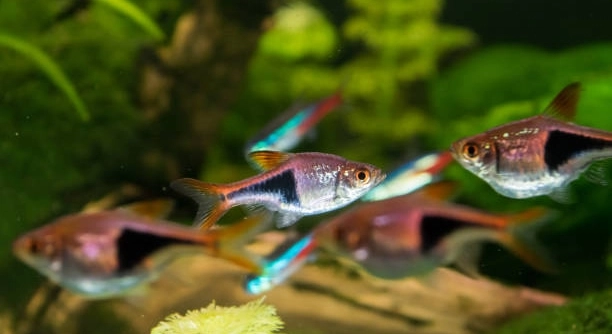
Rasboras are small, colorful fish popular in home aquariums. Their behavior often attracts attention, especially when owners notice them interacting with their surroundings. Understanding how these fish perceive objects can improve care and tank design.
Research indicates that rasboras have limited visual memory but can recognize familiar objects to some extent. Their ability to distinguish shapes and patterns allows them to respond differently to known versus new items in their environment.
Learning more about rasbora behavior helps create better habitats and enriches the experience of keeping these lively fish in home aquariums.
How Rasboras Use Their Senses to Recognize Objects
Rasboras rely mostly on their vision to navigate and identify things around them. Their eyes are adapted to detect movement and shapes rather than fine details. This means they can notice when something changes in their environment, such as a new decoration or a rearranged plant. Over time, they may become familiar with objects they see regularly, which helps reduce stress and allows them to explore confidently. Besides sight, rasboras use their lateral line system to sense vibrations and movements in the water. This system gives them additional information about their surroundings, helping them detect other fish or changes in the tank. Together, these senses contribute to how rasboras interact with familiar objects and react to new ones. Understanding these sensory capabilities is important for creating an environment that feels safe and stimulating for the fish.
Their ability to recognize objects improves their comfort and security in the aquarium.
Rasboras may not remember every detail, but frequent exposure helps them respond less fearfully to familiar items. They learn to associate certain shapes or colors with safety, which encourages regular activity around those objects. However, drastic changes or unfamiliar items can cause hesitation or hiding behavior until the fish adjust. Consistent tank setup and gradual introductions of new objects support their well-being. This balance between familiarity and novelty keeps them active and curious without overwhelming them.
Factors That Affect Object Recognition in Rasboras
Environmental stability plays a major role in how well rasboras recognize objects. Changes in lighting, water clarity, or tank decorations can affect their ability to identify familiar items. Stress from overcrowding or poor water quality can also impair their sensory functions. Healthy, well-maintained tanks with consistent conditions help rasboras maintain their recognition abilities. They respond better when their environment is predictable, allowing their senses to work optimally. Tank owners who pay attention to these factors can support their fish’s natural behaviors and reduce stress-related issues. Gradual introduction of new objects combined with stable tank conditions encourages positive interaction and exploration. Recognizing the limits and needs of rasbora sensory systems helps create a more comfortable living space for them.
Stable conditions and gradual changes are essential for rasboras to feel secure.
Proper care ensures their senses remain sharp and their ability to recognize objects stays intact. When new items are added slowly, rasboras have time to adjust without fear. This method promotes healthy behavior and reduces hiding or aggressive responses. Lighting should mimic natural conditions to avoid confusion, while clear water ensures visibility. Clean, balanced water conditions keep sensory organs functioning well, contributing to overall fish health. Regular observation of their behavior when introducing changes provides valuable feedback on their comfort level. In summary, maintaining a stable environment with gradual changes helps rasboras recognize and adapt to objects, improving their quality of life in captivity.
Recognizing Objects Over Time
Rasboras show improved recognition of objects they see regularly. Repetition helps them become less wary and more comfortable around familiar items in the tank. This familiarity reduces stress and promotes natural behaviors such as schooling and foraging.
The process of recognizing objects in rasboras depends on consistent exposure. When an object remains in their environment, they gradually associate it with safety or routine. This can be seen when rasboras stop hiding near decorations or swim closer to familiar tank ornaments. Their recognition is not based on detailed memory but rather on general shape and presence. The more often they encounter the same object, the less likely they are to react with fear or avoidance.
However, this recognition has limits. If objects are moved frequently or changed drastically, rasboras may become confused or stressed. Sudden changes interrupt their sense of security. Keeping decorations in place and introducing new items slowly supports their ability to recognize and adapt to their surroundings. Consistency is key for maintaining comfort and confidence in their habitat.
Impact of Tank Setup on Recognition
Tank setup affects how easily rasboras recognize objects and feel secure. A well-arranged environment with stable decorations provides visual landmarks that help the fish navigate and settle.
When tanks have consistent decorations, rasboras use these as reference points. This familiarity reduces anxiety and encourages exploration. The arrangement should avoid clutter to prevent stress and allow clear lines of sight. Lighting also plays a role; too bright or inconsistent lighting can impair their ability to see and recognize objects properly. Using natural or subdued lighting can help maintain their comfort. Additionally, plants and hiding spots improve security, allowing rasboras to feel safe while exploring. Thoughtful tank setup supports their natural behavior and recognition abilities, contributing to a healthier environment.
Interaction with Familiar Objects
Rasboras often show curiosity toward objects they recognize. They may swim near or around familiar decorations more confidently than near new or unfamiliar items.
This behavior suggests that familiarity helps reduce their stress. Known objects create a sense of safety, encouraging natural activity like schooling and feeding.
Role of Social Behavior in Recognition
Rasboras are schooling fish, which means their recognition of objects is influenced by group behavior. When one fish explores a familiar object without fear, others tend to follow. This collective response strengthens their confidence in the environment. Social cues play a vital role in how rasboras adapt to new items and feel secure around known ones. Observing one fish approach or avoid an object can trigger similar reactions in the group. This behavior helps the entire school navigate and interact safely with their surroundings. Group dynamics, therefore, enhance their ability to recognize and respond to familiar objects effectively.
Signs Rasboras Recognize Objects
Recognizable behavior includes reduced hiding and increased swimming near familiar items.
FAQ
Can rasboras really recognize specific objects?
Rasboras can recognize objects to a certain degree. Their recognition is mostly based on general shapes and familiar placement rather than detailed features. When they see an object regularly, they become accustomed to it and react less fearfully. This helps them feel safer in their environment. However, their memory is not highly detailed, so changes in object appearance or position can confuse them. Familiar objects act as landmarks that support their natural behaviors like schooling and exploring.
How long does it take for rasboras to recognize an object?
Recognition time varies depending on the fish and the object. Typically, it takes a few days to a couple of weeks of consistent exposure for rasboras to become comfortable with new decorations or tank features. Frequent, stable presence in the tank helps the fish form a basic sense of familiarity. Sudden changes or frequent rearrangements slow down this process and may cause stress or hiding behaviors.
Do all rasboras recognize objects the same way?
No, individual rasboras may differ in how they recognize and react to objects. Factors like age, health, and personality influence their responses. Some fish may be bolder and explore new objects quickly, while others stay cautious. Group behavior also plays a role; shy fish may feel safer following more confident tank mates. Environmental factors like lighting and water quality also affect their ability to recognize familiar items.
Can rasboras recognize their owners or people?
Rasboras have limited ability to recognize people. They mainly respond to movement and feeding routines rather than specific facial features. Over time, they may associate a person’s presence with feeding or safety, which can result in less fear when a familiar person approaches. However, their recognition is more about patterns and habits than true individual identification.
Does changing tank decorations affect rasbora behavior?
Yes, frequent or drastic changes in tank decorations can cause stress for rasboras. They rely on familiar objects to feel secure. When decorations are moved or replaced often, fish may hide more or become less active. Gradual introduction of new items with minimal disturbance helps them adjust better. Stability in tank setup supports their comfort and natural behaviors.
How do rasboras react to new objects in the tank?
Rasboras usually approach new objects with caution at first. They may avoid or hide around them until they become familiar. Some individuals may explore sooner, especially if the tank is stable and safe overall. Over time, curiosity usually wins, and the fish interact with the new object more confidently. Providing hiding spots and a calm environment helps reduce stress during this period.
Can familiar objects reduce stress in rasboras?
Yes, familiar objects create a sense of security for rasboras. Knowing what to expect in their surroundings helps lower stress levels. When objects remain stable, fish feel safer and display more natural behaviors like schooling and feeding. Stability in the environment is important for their well-being. Removing or changing familiar items can cause anxiety or confusion.
Is it important to keep tank decorations the same for rasboras?
While it’s not necessary to keep decorations permanently unchanged, stability is important. Sudden, frequent changes can disrupt their sense of safety. Gradual updates with plenty of time for adjustment are better. Maintaining consistent lighting and water conditions alongside stable decorations supports their ability to recognize and interact with objects. This leads to a healthier, more confident fish.
Do social behaviors influence how rasboras recognize objects?
Yes, rasboras rely on social cues when reacting to objects. When one fish approaches or avoids an object, others often follow. This group behavior helps the school feel more secure and adapt faster to new items. Social dynamics strengthen their recognition and comfort in the environment. Observing group reactions can help owners understand how their fish feel about changes in the tank.
Can poor water quality affect object recognition in rasboras?
Poor water quality negatively impacts all sensory functions in fish, including object recognition. When stressed by toxins or imbalanced conditions, rasboras may become less responsive or hide more. Maintaining clean, stable water conditions ensures their senses work properly, supporting recognition and normal behavior. Good tank care is essential for their health and comfort.
This FAQ covers common questions about how rasboras recognize objects, their behavior related to familiar and new items, and the importance of stable environments. Understanding these aspects improves their care and enhances the aquarium experience.
Rasboras are small fish that rely mostly on their senses to understand their environment. They can recognize familiar objects to a certain degree, especially when those objects stay consistent in their tank. This recognition helps them feel safe and comfortable, which is important for their overall well-being. When objects are familiar, rasboras are less likely to hide or act stressed. Instead, they swim confidently and interact more naturally. This shows that their simple memory and sensory abilities are enough to help them adjust to their surroundings over time.
It is important to maintain a stable environment for rasboras to support their recognition of objects. Sudden changes or frequent rearrangements in the tank can cause confusion and stress. Keeping decorations and plants in place for longer periods allows the fish to get used to them. Gradually introducing new items helps rasboras explore without fear. Clean water and proper lighting also play a role in how well they can see and recognize things. A calm, stable tank setup encourages healthy behavior and reduces anxiety for the fish. Their natural social behavior, like schooling, also helps them feel secure and respond better to familiar objects.
Understanding how rasboras recognize and react to objects can improve how we care for them. It encourages aquarium owners to create environments that are both stimulating and stable. By paying attention to these details, the fish can enjoy a less stressful life and show more of their natural behavior. Recognizing the limits of their memory and sensory skills is key to providing the best care. Overall, rasboras benefit from consistency, patience, and a well-maintained habitat that supports their simple but effective ways of learning about their surroundings.

Hello,
If you enjoy the content that we create, please consider saying a "Thank You!" by leaving a tip.
Every little bit helps us continue crafting quality advice that supports the health, happiness, and well-being of pets around the world, for pets of all shapes, sizes, and species.
We really appreciate the kindness and support that you show us!