
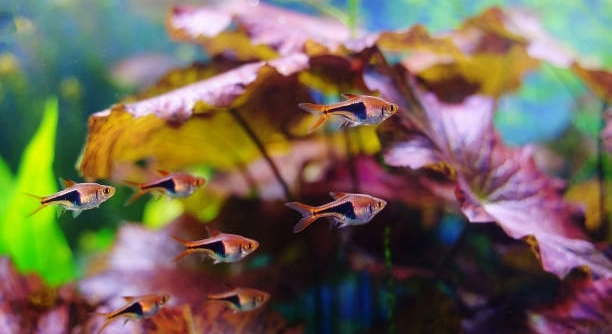
Rasboras are small, colorful fish often kept in groups called schools. Watching their movement can be calming and interesting for hobbyists. These schooling patterns reveal important behaviors and help in understanding their needs in aquariums.
Seven key patterns characterize Rasbora schooling: alignment, cohesion, polarization, milling, splitting, following, and dispersing. Each pattern reflects different social or environmental responses, contributing to the overall survival and interaction within the group.
Recognizing these patterns can improve how you care for Rasboras and create a healthier aquarium environment for them.
Alignment in Rasbora Schooling
Alignment occurs when individual Rasboras swim in the same direction at roughly the same speed. This coordinated movement helps the school appear as a single unit, which can confuse predators and improve the group’s chances of survival. Alignment is one of the most common patterns observed in healthy Rasbora schools and is often a sign that the fish feel safe and are responding to environmental cues together. This synchronized swimming requires constant adjustment from each fish, ensuring the entire group moves fluidly and efficiently through the water. Observing alignment can also give insight into the overall health and stress levels of the school.
When Rasboras align, it strengthens their ability to navigate the tank and avoid threats effectively.
Alignment reflects cooperation among fish, which is essential for maintaining the social structure of the school. It also reduces individual energy expenditure by allowing the fish to draft behind one another during movement. This pattern is fundamental for Rasboras, as it supports both defense and efficient travel within their environment. By watching alignment closely, aquarists can better understand how Rasboras communicate and react to changes in their surroundings. When alignment breaks down, it may signal stress or discomfort in the tank conditions. Keeping water parameters stable helps maintain this important schooling behavior.
Cohesion Among Rasboras
Cohesion refers to the tendency of Rasboras to stay close to each other, maintaining group unity.
This pattern is essential because it keeps the school compact and safe. Cohesion helps Rasboras protect themselves by reducing the chance of individuals becoming isolated. The closeness also allows for quicker communication and coordination when the school needs to react to stimuli. Maintaining proper cohesion depends on the tank’s size, structure, and the number of fish. When the school is too spread out, it can cause stress and make fish more vulnerable to disease or aggression from tank mates. Properly grouped Rasboras demonstrate better health and display more natural behaviors. Aquarists should observe how tightly the school stays together to ensure a comfortable environment for their fish. Adjusting the tank setup or adding plants and hiding spots can encourage natural cohesion. These environmental tweaks help Rasboras feel secure and promote their well-being.
Ensuring good cohesion in a Rasbora school improves their overall stability and reduces aggressive encounters within the tank. This pattern supports social bonds and creates a balanced atmosphere where the fish can thrive. Observing cohesion can guide necessary changes in aquarium management, ultimately leading to a more peaceful and healthy school. It is an important factor for anyone keeping Rasboras to monitor regularly.
Polarization
Polarization in Rasbora schooling happens when fish swim with a high degree of directionality, moving uniformly as one focused group. This behavior usually appears during migration or when escaping threats.
Polarization enhances the school’s ability to move quickly and efficiently through the water. Each fish aligns its body and movement with others, reducing drag and allowing the group to respond rapidly to changes in the environment. This uniform direction helps avoid confusion and keeps the school tightly coordinated. Polarization also plays a role in predator avoidance, making it harder for predators to isolate a single fish. It requires continuous adjustment from every individual to maintain this flow, demonstrating the complex communication among Rasboras.
While polarization can sometimes be mistaken for simple alignment, it is more intense and involves a higher level of coordinated movement. Observing this pattern signals that the school is likely reacting to a stimulus or preparing to relocate. It also indicates good health and alertness within the group, as lethargic or stressed fish tend not to polarize effectively.
Milling
Milling occurs when Rasboras swim in circles or a loose group without clear directional movement. This pattern often happens when the fish feel uncertain or are exploring their surroundings.
During milling, the school maintains social cohesion but shows less urgency in movement. It can be a resting behavior or a response to changes in the environment, like new decorations or other fish entering the tank. Milling helps the school gather information while keeping the group connected, which can reduce stress when conditions are unfamiliar. It also allows individuals to stay alert and ready to switch to faster movement if needed.
Milling is common in well-established tanks where Rasboras are comfortable but still reactive to minor disturbances. This pattern shows the balance between safety in numbers and cautious observation. Observing milling helps aquarists understand the group’s mood and comfort level, which is useful for adjusting tank conditions to minimize stress.
Splitting
Splitting happens when a Rasbora school breaks into smaller groups or individuals temporarily. This may occur when the group feels threatened or when searching for food.
After splitting, the smaller groups often reunite once the perceived threat passes or food is found.
Following
Following is a pattern where some Rasboras trail closely behind others, usually a leader or a more dominant fish. This behavior helps maintain order and direction within the school.
Following can indicate social hierarchy or the presence of a particularly active or confident fish guiding the group. It keeps the school organized during movement or feeding.
Dispersing
Dispersing occurs when the school spreads out widely, often due to stress or changes in the environment. This pattern can indicate discomfort or agitation within the group.
FAQ
What causes Rasboras to change their schooling patterns?
Rasboras change schooling patterns in response to environmental factors like water quality, lighting, tank size, or the presence of other fish. Stress, food availability, and sudden movements can also trigger shifts. These changes help Rasboras adapt for safety, feeding, or social interaction.
How can I tell if my Rasboras are stressed by their schooling behavior?
If the school frequently disperses or shows erratic movement, it may indicate stress. Loss of cohesion, irregular milling, or prolonged hiding are also signs. Stress can be caused by poor water conditions, overcrowding, or aggressive tank mates. Monitoring these behaviors helps maintain a healthy environment.
Is it normal for Rasboras to split into smaller groups sometimes?
Yes, splitting is normal and often temporary. It happens when the school explores different areas or when a mild disturbance occurs. Healthy Rasboras will usually regroup quickly after splitting. Prolonged separation could signal stress or illness.
What does following behavior tell me about my Rasbora school?
Following often shows social structure within the school. Dominant or more confident fish lead, while others trail. This behavior helps maintain order and efficient movement. It is a sign of a well-organized group, which usually means the school feels secure.
Can poor tank conditions affect schooling patterns?
Absolutely. Poor water quality, incorrect temperature, or insufficient space can disrupt schooling. Fish may become lethargic, disperse, or show irregular patterns. Maintaining stable and clean conditions supports natural schooling behaviors and overall fish health.
Why do Rasboras sometimes swim in tight circles (milling)?
Milling often happens when the school is uncertain or adjusting to new surroundings. It’s a way to stay together while cautiously gathering information. This pattern is common after tank changes or introductions of new fish. It usually resolves as the group becomes more comfortable.
How does schooling benefit Rasboras in captivity?
Schooling offers protection by confusing predators and reducing individual risk. It also promotes social interaction, reduces stress, and helps with efficient feeding. Observing schooling behavior allows aquarists to assess fish well-being and tank conditions more accurately.
What should I do if my Rasboras stop schooling?
If schooling stops, check water quality, temperature, and tank mates. Illness or stress may be factors. Isolate sick fish if needed and ensure the school size is adequate (usually six or more). Improving conditions usually restores normal schooling behavior.
Can Rasboras school with other fish species?
Rasboras prefer schooling with their own kind but may swim alongside other peaceful species. Mixed schooling can occur in large tanks, but it’s less coordinated and less stable. Keeping a full school of Rasboras is best for natural behavior.
How many Rasboras should I keep to encourage proper schooling?
A minimum of six Rasboras is recommended for healthy schooling. Smaller groups may not display full patterns like alignment or cohesion. Larger groups enhance natural behaviors and reduce stress. Group size directly impacts schooling quality.
Do lighting and tank decorations influence schooling patterns?
Yes. Bright or flickering lights can cause stress and disrupt schooling. Plants and hiding spots encourage natural behaviors and reduce stress, supporting stable schooling. A well-decorated tank offers security, promoting cohesive group movement.
How quickly do Rasboras form schooling patterns in a new tank?
It varies, but Rasboras usually begin schooling within a few hours to days after introduction. Initial milling or splitting is common as they adjust. Providing a calm environment speeds up this process and helps establish natural patterns.
Are schooling patterns the same for all Rasbora species?
Patterns are generally similar but may vary in intensity or style depending on species. Some Rasboras are more active or social than others. Knowing the specific species’ behavior helps interpret schooling more accurately.
What role does food play in schooling behavior?
Food availability influences schooling, often triggering tighter cohesion or following behavior as fish compete or feed together. Scheduled feeding supports routine patterns, while sudden changes can cause temporary disruptions. Regular feeding helps maintain stable schooling.
How can I encourage better schooling in my Rasbora tank?
Maintain proper water quality, keep a sufficient group size, provide plants or structures, and avoid sudden changes. Feeding consistently and minimizing stress encourages natural schooling patterns. Observing fish regularly helps catch early signs of problems.
Final Thoughts
Understanding the schooling patterns of Rasboras is important for anyone keeping these fish in an aquarium. Each pattern—from alignment to dispersing—reveals how Rasboras interact with each other and respond to their environment. Observing these behaviors closely can help in identifying the overall health and comfort of the school. When Rasboras school naturally and smoothly, it usually means the tank conditions are suitable and the fish feel secure. Paying attention to changes in these patterns provides valuable clues about possible stress or problems in the aquarium.
Maintaining a healthy environment is essential for supporting natural schooling behavior. Clean water, stable temperature, enough space, and a properly sized group all contribute to the well-being of Rasboras. Adding plants and decorations can also encourage their natural movements and help reduce stress. It is important to remember that Rasboras are social fish, so keeping them in groups of six or more improves their ability to school effectively. When these conditions are met, the patterns of alignment, cohesion, milling, and others will be more consistent and easier to observe.
In summary, the way Rasboras school provides insight into their needs and mood. Monitoring these patterns can guide adjustments to care and tank setup, helping to create a peaceful, healthy environment. Understanding and respecting their natural behavior benefits both the fish and the aquarist. With patience and careful observation, anyone can enjoy the calm beauty of a well-functioning Rasbora school. The small details of their movement tell a larger story about life beneath the water’s surface.

Hello,
If you enjoy the content that we create, please consider saying a "Thank You!" by leaving a tip.
Every little bit helps us continue crafting quality advice that supports the health, happiness, and well-being of pets around the world, for pets of all shapes, sizes, and species.
We really appreciate the kindness and support that you show us!