
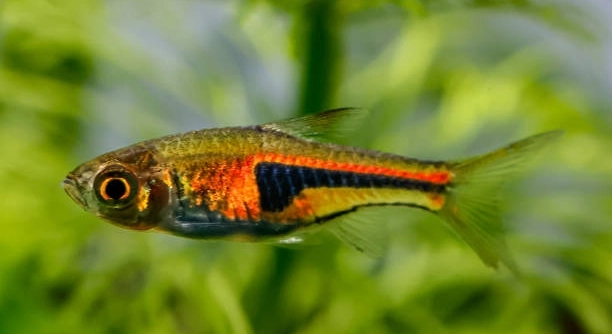
Rasboras are small, peaceful fish often found in home aquariums. They have natural instincts that lead them to seek safe places to hide at certain times. Knowing when they do this helps keep them comfortable.
Rasboras seek hiding spots mainly due to stress, changes in environment, presence of predators, illness, breeding behavior, sudden loud noises, or water quality issues. These triggers prompt their instinct to find shelter for safety and comfort.
Recognizing these moments can help you create a better habitat and keep your rasboras healthy and happy in your aquarium.
Stress and Rasbora Behavior
Rasboras are sensitive to stress, which can come from many sources like overcrowding or sudden changes in their tank. When stressed, they tend to hide more often as a way to protect themselves. Stress can affect their health and behavior, making them less active and sometimes causing illness. Keeping the tank environment stable and calm helps reduce stress. Adding plenty of plants and hiding places can make them feel safer. Avoid sudden movements or loud noises near the tank, as this can startle the fish and increase their need to hide. Observing your rasboras closely can help you spot signs of stress early, so you can make adjustments to their surroundings and keep them comfortable.
Stress triggers hiding behavior because it threatens their sense of security. Creating a calm and steady environment minimizes this need and supports their well-being.
Maintaining a peaceful tank with proper space, consistent water conditions, and natural decor gives your rasboras confidence to swim freely. They will only retreat to hiding spots when necessary, which is a good sign that their environment meets their needs. Keeping stress low helps rasboras stay healthy, active, and display their natural colors beautifully. It’s important to monitor stress levels regularly, especially when introducing new fish or making changes to the tank setup. The more secure they feel, the less often they will need to seek shelter.
Changes in Environment
Rasboras respond quickly to changes in their surroundings. Moving the tank, adjusting lighting, or changing decorations can make them uncomfortable. They may hide until they adjust to the new environment.
When the environment changes, rasboras seek shelter as a protective response. This behavior is temporary but important to note.
Any change can cause your rasboras to act differently. Even small shifts in water temperature or pH can make them anxious. They rely on familiar conditions to feel safe. When introducing new plants or decorations, it’s best to do it gradually. Sudden moves or rearrangements might cause them to hide for several hours or even days. Observing their reactions after changes helps you understand their comfort level. Patience is key during this time. It’s helpful to keep water quality stable and provide plenty of places to hide. Over time, rasboras will become curious and explore more once they feel secure again. Being mindful of their sensitivity to change helps maintain a balanced tank and reduces stress-related hiding.
Presence of Predators
Rasboras hide when they sense predators nearby. This is a natural defense to avoid danger and stay safe.
Predators, whether real or perceived, cause rasboras to seek shelter quickly. Even large or aggressive tank mates can make them nervous. When predators are present, rasboras stick close to plants, rocks, or other hiding spots to avoid being caught. This behavior helps them survive in the wild and in captivity. Ensuring that your tank mates are compatible can reduce the stress caused by predator threats. Avoid keeping aggressive fish with rasboras to prevent constant hiding and anxiety. A peaceful community tank supports their well-being and encourages natural, relaxed behavior.
By providing plenty of cover and choosing peaceful companions, you give rasboras a secure place to live. When they feel safe, they spend more time swimming openly and less time hiding.
Illness and Injury
When rasboras are sick or hurt, they often hide to recover and avoid further harm. This behavior helps conserve energy and protects them from other fish.
Illness causes changes in behavior and appearance that make hiding necessary. Symptoms like lethargy, faded colors, or clamped fins usually accompany this. Sick fish retreat to quiet corners of the tank where they feel less exposed. Identifying signs of illness early and improving water quality can help prevent long-term problems. Quarantining new fish before adding them to the main tank reduces the risk of disease spreading. A clean environment and a balanced diet support their immune system and overall health. Hiding during illness is a way for rasboras to heal safely away from stressors.
Keeping a close eye on their behavior helps you spot illness before it worsens. Prompt care improves their chances of a full recovery and reduces the need for hiding.
Breeding Behavior
Rasboras hide more during breeding times to protect themselves and their eggs. This instinct helps ensure survival.
They may choose secluded spots to lay eggs and avoid disturbances from other fish or tank activity.
Sudden Loud Noises
Sudden noises can startle rasboras, causing them to quickly seek hiding spots. They rely on their environment feeling calm and safe.
Unexpected sounds disrupt their peace, triggering a natural response to find cover.
Poor Water Quality
Poor water quality stresses rasboras, leading them to hide more often. High ammonia, nitrite, or nitrate levels harm their health.
Maintaining clean, balanced water through regular testing and changes keeps them comfortable. Dirty water weakens their immune system, increasing hiding behavior and risk of illness. Keeping the tank clean is essential for their well-being.
Why do rasboras hide so much?
Rasboras hide mostly because they feel threatened or stressed. It’s their natural instinct to seek safety when something feels off. Stress can come from poor water quality, loud noises, or aggressive tank mates. They also hide during illness or when their environment changes suddenly. Providing enough plants and hiding places helps them feel secure and reduces their need to hide constantly.
How can I tell if my rasbora is hiding because it’s sick?
If a rasbora hides more than usual and shows signs like faded colors, clamped fins, or sluggish movement, it may be sick. Ill fish often isolate themselves to conserve energy and avoid being bothered. Check water parameters and observe for any spots, lesions, or unusual breathing. Quarantining the affected fish and improving tank conditions can help with recovery.
What kind of hiding spots do rasboras prefer?
Rasboras enjoy places with dense plants, smooth rocks, and driftwood. These provide natural cover and mimic their wild habitat. Floating plants or fine-leaved plants like Java moss create excellent hiding spots. Avoid sharp decorations that can harm them. The more natural the setup, the more comfortable they feel.
Can aggressive tank mates cause rasboras to hide?
Yes. Aggressive or larger fish can intimidate rasboras, making them hide frequently. Keeping rasboras with peaceful species prevents constant stress and hiding. It’s best to choose tank mates that are similar in size and temperament to ensure harmony.
How often should I check the water quality to prevent hiding due to stress?
Water quality should be tested weekly to keep ammonia, nitrite, and nitrate levels safe. Stable water parameters reduce stress and hiding. Performing regular water changes and monitoring temperature also support their health and comfort.
Is it normal for rasboras to hide during breeding?
Yes. During breeding, rasboras seek quiet, secluded areas to lay eggs and protect themselves. This hiding behavior is temporary and part of their natural cycle. Providing plenty of plants and calm conditions encourages successful breeding.
What should I do if my rasbora hides after a sudden change in the tank?
Give your rasbora time to adjust without adding more stress. Avoid making multiple changes at once. Keep the environment calm, maintain water quality, and provide extra hiding spots. They usually start exploring again once they feel safe.
Can loud noises outside the tank affect rasboras?
Absolutely. Loud sounds like banging or shouting can startle rasboras, causing them to hide. Keeping the tank in a quiet area and minimizing sudden noise helps keep them relaxed.
How can I reduce hiding caused by stress?
Create a stable environment with plenty of hiding spots and peaceful tank mates. Maintain excellent water quality, avoid sudden changes, and reduce noise. Regular observation helps catch stress early and lets you adjust conditions before hiding becomes constant.
When should I be worried about excessive hiding?
If your rasboras hide all the time and show signs of illness or distress, it’s a concern. Persistent hiding may indicate poor water quality, illness, or bullying by other fish. Take action by testing the water, improving tank conditions, and consulting a vet or experienced aquarist if needed.
Do rasboras ever hide during the day or night?
Rasboras may hide during both day and night depending on how safe they feel. Night hiding is natural as many fish rest in sheltered spots. Day hiding often relates to stress or environmental issues that need attention.
Is it okay to add more plants to reduce hiding?
Yes, adding plants is one of the best ways to help rasboras feel secure. Plants offer natural shelter and reduce stress by mimicking their natural habitat. However, make sure there is enough open swimming space to keep them active.
Rasboras are small fish with big needs for safety and comfort. They hide for many reasons, like stress, illness, or changes in their environment. Understanding why they seek hiding spots helps us care for them better. When rasboras feel safe, they swim actively and show their natural colors. But when they feel threatened, they look for places to stay out of sight. Knowing these signs can make a big difference in how we keep them healthy and happy.
Creating a good home for rasboras means paying attention to their surroundings. Clean water, peaceful tank mates, and plenty of plants are important. Plants and decorations offer hiding places where rasboras can feel secure. It is also important to avoid sudden changes in the tank, loud noises, or overcrowding. These can stress the fish and cause them to hide too much. Watching how your rasboras behave can tell you if something is wrong. If they hide a lot or show signs of illness, it is time to check the water and tank conditions.
Taking care of rasboras requires patience and careful observation. They may hide for short times, and that is normal, but constant hiding can mean a problem. Keeping their environment calm and stable helps reduce their need to hide. When rasboras are comfortable, they will explore the tank more and interact with other fish. By providing a safe and peaceful home, you help your rasboras thrive and enjoy a longer, healthier life.

Hello,
If you enjoy the content that we create, please consider saying a "Thank You!" by leaving a tip.
Every little bit helps us continue crafting quality advice that supports the health, happiness, and well-being of pets around the world, for pets of all shapes, sizes, and species.
We really appreciate the kindness and support that you show us!