
Are your rasboras acting differently after you’ve added new plants to their tank? Even small changes can affect their behavior.
Rasboras respond to new plants by exploring their surroundings more actively, hiding more often, and showing increased schooling behavior. These changes are typically a response to environmental enrichment and adjustments to territory and comfort levels.
New plants don’t just change the look of the tank—they also influence how rasboras move, hide, and interact with each other.
Increased Hiding Behavior
When new plants are added to a rasbora tank, it’s common to notice them hiding more often. This doesn’t mean they are stressed—it usually signals they are adjusting to the new layout. Rasboras are naturally shy and cautious fish. Any changes to their environment can make them more alert. New plants, especially tall or leafy ones, create new shaded spots and hiding areas that rasboras quickly take advantage of. These hiding spots make them feel safer, especially during the first few days after the change. It’s a positive sign that they’re exploring and using the space. As they get more comfortable, they begin to spend more time swimming in open areas again. If they continue to hide after a week, it may be worth checking water parameters to rule out other causes. But for the most part, early hiding is just part of how they adjust.
Rasboras often test new hiding spots before settling into them. You might notice them darting in and out repeatedly.
As they get used to the plants, they’ll come out more. Rasboras enjoy swimming through open water, but they also love knowing they have a safe retreat nearby. Plants help them feel secure, especially in busy tanks.
More Active Schooling
You may see them swimming in tighter groups. This is a natural behavior that helps them stay safe when surroundings change.
Tighter schooling is a common rasbora response to new plants. When they notice changes in their tank, they instinctively stay close to one another. This behavior reduces stress and gives them a sense of security. The new plant layout may also influence their swimming patterns. Open spaces might become narrower, and rasboras tend to follow familiar paths. Schooling helps them navigate the changed setup with confidence. It’s also a sign they are aware of their environment and adjusting together. If you notice increased schooling right after adding plants, it means they’re alert but not distressed. Over time, the school may loosen slightly, which means they’re getting used to the new look of their tank. The plants give them visual breaks in the space, and this encourages calm, natural movement. They’ll still school, but more casually as comfort returns.
Changes in Feeding Behavior
Rasboras may eat less or more slowly after new plants are added. This is usually temporary and part of their adjustment to the changes in their space. Their awareness of new surroundings can distract them during feeding times.
Feeding behavior often shifts slightly after changes in the tank. Rasboras might hesitate to swim to the top or stay near new plants rather than come out for food. Some may even nibble on plant leaves or explore instead of eating right away. This behavior usually balances out within a few days. If they continue to skip meals after a week, it’s worth checking if the new plants altered water flow or food distribution. Slow feeding during this time isn’t usually a sign of illness. Most rasboras return to their regular feeding habits once they feel secure in the new setup.
Increased hiding, new shadows, or plant placement can affect how food moves through the tank. If leaves block the path of floating flakes or pellets, rasboras might miss them. Slight adjustments, like feeding near open spaces or trimming overgrown stems, can help. Once the plants settle and the fish adjust, their appetite and feeding routine usually go back to normal.
Exploration and Territory Reassessment
Rasboras often explore every new plant thoroughly. They swim around, between, and under the leaves, checking out every part. This helps them mentally map out the space again.
New plants can shift the entire feel of the tank. Even a few additions can change the flow of water or light, and rasboras notice right away. You might see them swimming more intentionally, covering every corner, or circling a new plant repeatedly. This behavior is part of how they learn the new boundaries of their home. For schooling fish like rasboras, knowing where to retreat or regroup is important. They may also test new swimming routes or rest under the leaves more often. These changes aren’t random—they’re purposeful and show how adaptable rasboras are to updates in their environment. It’s a natural, healthy response that shows curiosity and awareness.
Color Enhancement and Display
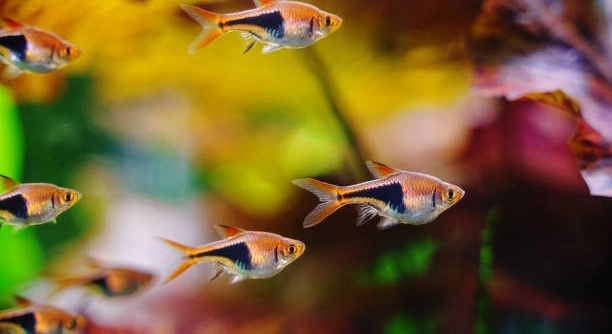
Rasboras often show brighter colors after new plants are added. The fresh greenery can reduce stress and improve their sense of safety, which naturally brings out deeper hues and subtle patterns in their scales.
Better lighting and more natural surroundings can also play a role. Plants break up harsh reflections, helping rasboras feel more at ease. When they feel comfortable, their appearance reflects that.
Interaction With Other Species
Rasboras may become more cautious around tankmates after new plants are introduced. The changed layout creates new hiding spots, and fish often re-establish personal space. Rasboras tend to hang back and observe more during this time. If other species in the tank are more active or territorial, rasboras will often wait before returning to their usual behavior. They avoid confrontation and use the plants for cover until the tank settles into a new rhythm. Once boundaries are re-established, most rasboras interact calmly again. The plants often help reduce tension between species by giving each one a space to retreat or rest.
Subtle Shifts in Swimming Patterns
You might notice rasboras avoiding some areas or favoring certain swimming paths. They often choose routes that feel safest and provide the most cover after plants are moved or added.
What should I do if my rasboras hide too much after adding new plants?
It’s normal for rasboras to hide more when new plants are introduced. They use hiding to feel safe and get used to changes. Give them a few days to adjust without disturbing the tank too much. Make sure the water conditions are stable and ideal for rasboras, with proper temperature, pH, and cleanliness. Avoid sudden moves or adding too many changes at once. If hiding continues beyond two weeks and they stop eating, then check for illness or stress caused by water quality or tankmates.
How long does it usually take for rasboras to adjust to new plants?
Most rasboras start settling in within 3 to 7 days after new plants are added. During this time, they explore, hide, and school more tightly. After a week, you should see more normal swimming and feeding behavior as they get comfortable. If adjustments take longer, it might mean the tank environment needs reviewing or the plants are causing unusual changes in water flow or light.
Can adding plants improve the health of my rasboras?
Yes, adding live plants can improve the health of rasboras by creating a more natural environment. Plants help reduce stress by offering hiding spots and breaking up light reflections. They also improve water quality by absorbing nitrates and producing oxygen. A planted tank encourages natural behaviors like schooling and exploration, which supports mental well-being. However, make sure the plants you choose don’t require harsh chemicals or fertilizers harmful to fish.
Why do rasboras sometimes nibble on plants?
Rasboras may nibble on soft plant leaves, especially if they are exploring or feeling curious. This behavior is usually harmless and part of how they interact with their environment. If nibbling is excessive, it could indicate a lack of nutrients in their diet or stress. Ensure they have a balanced diet rich in vitamins and minerals. Also, check that the plants are hardy enough for the tank setup and not overly fragile.
What types of plants are best for rasbora tanks?
Rasboras do well with a variety of plants, but those that provide dense cover and soft leaves work best. Examples include Java moss, Anubias, Amazon sword, and floating plants like duckweed or frogbit. These plants offer shelter and shade, helping rasboras feel secure. Avoid sharp or hard-leaved plants that might injure delicate fish. Choose plants that thrive in your tank’s light and water conditions for long-lasting growth.
How do new plants affect water parameters in the tank?
New plants can influence water parameters slightly, mainly through oxygen production and nitrate absorption. They help keep the water cleaner by using nitrates as nutrients, which benefits the fish. However, new plants can also cause temporary changes in pH or hardness, especially if they release tannins or organic acids. It’s a good idea to test water regularly after adding plants to ensure parameters stay stable and within rasboras’ preferred range.
Should I rearrange plants often, or keep them in the same place?
Frequent rearranging can stress rasboras because they have to constantly adjust to new spaces. It’s better to set up plants carefully and leave them mostly unchanged. If rearranging is needed, do it gradually and avoid big changes all at once. This helps rasboras maintain a sense of territory and comfort. Regular maintenance like trimming or removing dead leaves is fine, as long as the overall layout remains stable.
Do plants help reduce aggression in rasbora tanks?
Yes, plants can help reduce aggression by creating more territories and hiding spots. This lowers competition for space and lets shy fish avoid aggressive tankmates. Rasboras are generally peaceful, but stress or crowding can cause issues. Plants provide natural barriers and visual breaks, which calm the tank atmosphere. A well-planted aquarium usually has happier, less stressed fish with smoother social interactions.
Is it normal for rasboras to change color with new plants?
Yes, rasboras often show brighter or deeper colors after adding plants. The improved environment reduces stress and boosts their overall health. Good lighting and more natural surroundings also enhance their appearance. If color changes include dullness or spots, however, it could indicate illness or poor water quality, so keep monitoring.
What if my rasboras avoid certain parts of the tank after planting?
This is common when new plants alter the flow, lighting, or visibility in the tank. Rasboras choose safer or more comfortable swimming routes. Avoid forcing them into areas they dislike by adjusting plant placement or trimming overgrown sections. With time, they usually explore all parts again once they feel secure. If avoidance persists, check water flow and lighting to ensure no harsh conditions in those zones.
Adding new plants to a rasbora tank brings many changes that affect how these fish behave. It is normal to see them hide more or swim differently when their environment changes. Plants create new hiding spots and break up open spaces, which helps rasboras feel safer. At first, they may be more cautious, exploring the plants and testing their new home. This adjustment period usually lasts a few days to a week. During this time, their feeding habits might slow down, and they may school more closely together. These behaviors show they are reacting naturally to changes in their surroundings.
Live plants also improve the tank’s overall health by helping maintain water quality. They absorb harmful chemicals and produce oxygen, which benefits the fish. Plants reduce stress for rasboras by giving them places to hide and feel secure. When fish are less stressed, they tend to show better colors and more active behaviors. Choosing the right kinds of plants is important. Plants with soft leaves and dense coverage work best for rasboras because they provide safe places to rest and explore. Avoid plants that could harm the fish with sharp edges or that require chemicals not safe for the tank.
It is important to be patient after adding new plants. Rasboras need time to adjust and feel comfortable again. Try to keep the tank stable by not moving plants too often or making sudden changes. Regularly check water quality to make sure conditions stay healthy. Watch your fish for signs of stress or illness during this time. Most rasboras adapt well and will return to their normal, happy behavior once they settle in. Plants add beauty and health benefits to the tank, making it a better home for your rasboras in the long run.

Hello,
If you enjoy the content that we create, please consider saying a "Thank You!" by leaving a tip.
Every little bit helps us continue crafting quality advice that supports the health, happiness, and well-being of pets around the world, for pets of all shapes, sizes, and species.
We really appreciate the kindness and support that you show us!