
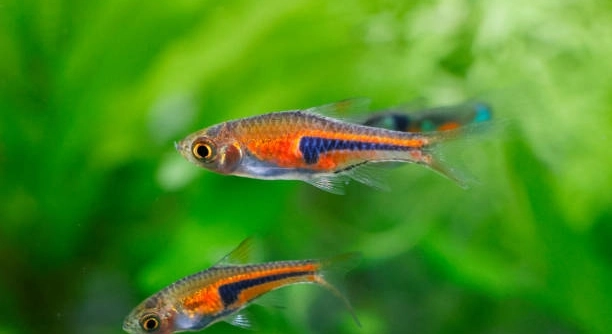
Rasboras are small, peaceful fish often seen swimming in groups in open water. Their movement patterns can seem random, but there is a reason behind their drifting behavior. Understanding this helps in caring for them properly.
Rasboras drift in open water primarily as a survival strategy to avoid predators and to maintain group cohesion. Their schooling behavior reduces individual risk, improves foraging efficiency, and allows them to respond quickly to environmental changes, ensuring better protection.
Learning more about why rasboras behave this way can improve how we keep them in aquariums. Recognizing these natural instincts supports healthier, more comfortable environments for these lively fish.
Why Rasboras School in Open Water
Rasboras tend to swim together in schools because it offers safety and efficiency. When these small fish group tightly, they confuse predators by making it hard to target just one. Schooling also helps them move smoothly through water currents and find food more easily. In open water, where there are fewer hiding spots, staying close to others is crucial for their survival. I’ve noticed that when rasboras feel threatened, their school becomes even tighter, showing how important this behavior is. Swimming in groups also allows them to share information about food sources and changes in their environment. This natural behavior reduces stress and helps rasboras stay healthy. For anyone keeping rasboras, providing enough space for schooling is important to keep them comfortable and active. Observing a well-formed school can be quite calming, as they move together almost like a single living creature.
Schooling is a natural defense and social strategy for rasboras that improves their chances of survival in open water.
When rasboras swim in schools, they increase their protection and efficiency. This behavior minimizes individual risk by making it harder for predators to single out one fish. It also helps them communicate and find food faster. Schooling is vital in open water environments where threats can come quickly and hiding places are rare. In captivity, encouraging schooling behavior by keeping groups of at least six rasboras leads to better wellbeing and a more natural display of their swimming patterns.
How Open Water Influences Rasbora Behavior
Rasboras in open water must rely on movement and grouping since there are fewer plants or structures to hide behind. Their behavior changes depending on water flow, light, and available space. Open water encourages constant movement to avoid danger and locate food. It also makes their schooling tighter, as they need to stick close for safety. In my experience, rasboras kept in tanks with open swimming areas are more active and display natural behaviors better than those in crowded or cluttered tanks. The openness allows them to show their full swimming range and express their social nature. Proper lighting and gentle water flow further support their wellbeing by mimicking natural conditions. Understanding these environmental effects helps create better habitats that meet their needs.
Open water conditions push rasboras to rely more on movement and schooling for protection and survival.
In open water, rasboras’ behavior is shaped by the lack of hiding spots and the need to respond quickly to threats. They swim constantly, often in coordinated groups, to reduce exposure to predators. The water flow influences their swimming speed and direction, while light levels affect their visibility and comfort. Providing open swimming space in captivity replicates these conditions, promoting natural activity. Tank setups that balance open areas with some shelter help rasboras feel secure without limiting their movement. This balance encourages healthy behavior and reduces stress. Watching how they adapt to open water conditions can deepen appreciation for their instincts and help keepers provide the right environment.
How Rasboras Communicate While Drifting
Rasboras use subtle body movements and changes in direction to communicate within their group. This helps maintain the school’s shape and prevents collisions. I’ve observed that even small shifts in speed signal others to adjust quickly. Communication is continuous and smooth, ensuring the group stays coordinated.
This nonverbal communication keeps the school unified and safe. Rasboras react instantly to changes, like spotting a threat or finding food. When one fish changes direction, others follow in a wave-like pattern, which is impressive to watch. This system helps them avoid danger by making their movements unpredictable to predators. It also allows the group to explore areas efficiently without breaking formation.
In tanks, it’s interesting to see how rasboras keep this behavior. Even in smaller groups, they signal each other clearly. Providing enough space allows these communication cues to work naturally. It’s a reminder of how finely tuned their social behavior is and why they thrive best when allowed to move freely together.
Environmental Factors Affecting Drift Patterns
Water current, light, and tank size all influence how rasboras drift in open water. Strong currents may force them to swim harder or stay closer together for stability. Light levels affect their comfort and activity. I’ve noticed that in dimmer settings, rasboras tend to drift more calmly and remain near the middle or bottom of the tank.
Tank size also matters. In small tanks, their drifting is limited and can cause stress due to lack of space. Larger tanks let them spread out more and show natural patterns. Proper filtration and gentle water movement help replicate their natural environment, reducing erratic swimming or hiding. Maintaining balanced environmental factors supports their health and encourages peaceful schooling behavior. Watching how changes in the environment affect their drifting gives insight into their needs and helps create a better habitat.
The Role of Predators in Rasbora Drift
Predators play a big role in why rasboras drift in open water. Their movement helps avoid being singled out. Staying in groups and constantly shifting positions reduces the chance of attack.
This behavior is an instinct that keeps them safe. I’ve seen how quickly rasboras react when a predator or sudden disturbance appears, tightening their formation and moving unpredictably to confuse threats.
Food Search and Drift Behavior
Rasboras use drifting to explore large areas for food efficiently. Their movement helps them scan for small insects or plant matter floating in the water. This slow, coordinated drifting allows many fish to cover more ground together without wasting energy.
Tank Setup Tips for Healthy Drift
Providing enough open space and gentle water flow encourages natural drifting. Avoid overcrowding to let rasboras move freely and keep their social behavior healthy.
Common Misunderstandings About Rasbora Drift
Many think rasboras drift randomly, but their movement is purposeful and linked to survival and social needs.
FAQ
Why do rasboras prefer to drift in open water instead of staying near plants or decorations?
Rasboras naturally drift in open water because it helps them stay alert and react quickly to threats. Open space lets them swim freely in schools, which is important for safety and social behavior. While they do appreciate some plants for hiding occasionally, they mainly rely on movement and group dynamics to feel secure. In tanks, too many decorations can limit their swimming and cause stress, so balancing open areas with some plants is best.
Is it normal for rasboras to keep moving without resting?
Yes, rasboras are active swimmers and often move continuously to stay together in their school. This constant motion is part of their natural behavior and helps them avoid predators and find food. They do rest occasionally, but it’s usually in short bursts. If you notice them stopping for long periods or acting lethargic, it could signal health issues or poor water quality.
How many rasboras should I keep together to encourage natural drifting behavior?
A group of at least six is recommended to see natural schooling and drifting behaviors. Smaller groups may feel stressed or isolated, causing irregular movement. Larger schools provide safety and allow the fish to communicate and swim smoothly. Watching a group of six or more moving in sync is both calming and a good sign of their wellbeing.
Can tank size affect how rasboras drift?
Absolutely. A small tank restricts their movement and can make them feel cramped. This may lead to stress and unhealthy behavior. Larger tanks give them enough space to swim freely and maintain their schooling formation. I’ve found that tanks over 20 gallons work well for a group of rasboras, giving them room to express natural swimming patterns.
Do water currents influence rasbora drifting?
Yes, gentle water flow encourages natural swimming and drifting patterns. Strong currents can tire the fish or force them to stick tightly together, which might stress them. A balanced filter and some open swimming areas allow rasboras to control their movement while staying coordinated with the group.
Why do rasboras sometimes dart quickly while drifting slowly most of the time?
Quick darts are usually a response to a perceived threat or a sudden change in their environment. These bursts of speed confuse predators and help the group stay safe. When no danger is present, their movement slows to conserve energy while maintaining the school’s shape. This mix of slow drifting and fast darting is typical behavior.
How can I tell if my rasboras’ drifting behavior is healthy?
Healthy drifting is smooth, coordinated, and consistent among the group. The fish stay close but do not crowd each other, and their movements look synchronized. Erratic or isolated swimming, frequent hiding, or signs of stress could indicate a problem. Regularly checking water quality and tank conditions helps maintain their health and natural behavior.
Are there specific tank setups that support better drifting for rasboras?
A tank with open swimming areas, moderate lighting, and gentle filtration is ideal. Including some plants or low decorations provides occasional shelter without limiting movement. Avoid overcrowding and keep water parameters stable. I’ve seen rasboras thrive in setups that mimic their natural environment, which encourages their schooling and drifting behaviors.
Does lighting affect how rasboras drift?
Lighting influences their activity levels. Too bright lighting can stress them, causing them to hide or stop schooling properly. Dim to moderate lighting encourages calm, natural movement. Using adjustable lighting helps find the right balance. I usually keep lighting gentle and diffuse to support their comfort and natural drifting.
Can rasboras drift alone, or do they need a group?
Rasboras are social fish that rely on groups for safety and normal behavior. Drifting alone is unusual and can indicate stress or illness. Without a group, they may become anxious and show erratic swimming. Keeping them in groups ensures their social needs are met and allows natural drifting to happen.
Rasboras are small fish with interesting behavior, especially when they drift in open water. This movement is not random but serves important purposes like staying safe and finding food. They rely on swimming together in groups, which helps protect them from predators. When they move as a school, it also makes their life easier by sharing information and keeping the group organized. Watching a group of rasboras swim smoothly can show just how natural and important this behavior is to their wellbeing. For those who keep rasboras in tanks, understanding this behavior helps create a better home for them.
Open water drifting allows rasboras to stay alert and respond quickly to their surroundings. Because they don’t have many places to hide in open water, their movement and group formation become key to their survival. This behavior is based on instinct and has developed over time to help them avoid danger. When rasboras feel safe, they swim calmly but stay ready to change direction if needed. For hobbyists, providing enough space and gentle water flow encourages this natural drifting. Avoiding overcrowding and too many decorations helps keep the group together and active, reducing stress for these fish.
Keeping rasboras healthy means paying attention to their natural habits, like drifting in open water. Knowing why they behave this way can guide tank setup and care. Creating an environment that mimics their natural conditions — with open swimming areas, proper lighting, and gentle currents — supports their social and physical needs. When these needs are met, rasboras show lively, smooth movement and enjoy better health. In the end, respecting their natural drifting behavior makes it easier to care for them and enjoy watching their graceful swimming patterns.

Hello,
If you enjoy the content that we create, please consider saying a "Thank You!" by leaving a tip.
Every little bit helps us continue crafting quality advice that supports the health, happiness, and well-being of pets around the world, for pets of all shapes, sizes, and species.
We really appreciate the kindness and support that you show us!