
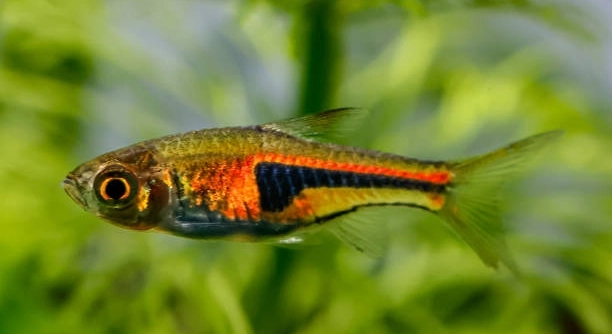
Transporting rasboras can be stressful for both the fish and their owners. These small, delicate fish often show signs of distress after being moved. Helping them calm down quickly is important for their health and well-being.
The best way to calm rasboras after transport is to provide a quiet, dim environment with stable water conditions. Gradually acclimate them to the new tank’s temperature and water parameters to reduce shock and stress during this transition.
Understanding how to support rasboras after their journey will improve their recovery and ensure they thrive in their new home. This article will guide you through simple, effective steps to ease their adjustment.
Preparing the Tank for Rasbora Arrival
Before introducing rasboras to their new environment, it is important to create a calm and stable habitat. The tank should be fully cycled, ensuring that ammonia and nitrite levels are at zero. Adding live plants can provide hiding spots that help reduce stress. The water temperature must be consistent, ideally between 74°F and 78°F, matching the conditions they were transported in. Using a gentle filter that does not create strong currents is also beneficial, as rasboras prefer calm water. Dim lighting during the first few hours helps minimize shock and encourages the fish to settle in. Avoid adding new tank mates right away, as this can increase stress levels and interfere with the acclimation process. Regular water testing before and after introducing the fish ensures the environment remains safe and suitable. Preparing the tank carefully sets the foundation for a smooth transition and promotes the rasboras’ health.
Keeping the environment steady helps prevent sudden changes that can unsettle rasboras after transport.
Maintaining a peaceful atmosphere in the tank with stable water conditions and plenty of hiding places is crucial. It allows the fish to feel secure while they adjust. This reduces erratic swimming and promotes normal behavior. Gradual acclimation to the tank’s water parameters is key. Avoid rapid temperature changes or water chemistry shifts. Introducing the fish during the evening or in low light conditions further supports their comfort. Monitoring their behavior closely for signs of stress, such as hiding excessively or gasping at the surface, allows for timely adjustments. Taking these steps helps rasboras regain calm more quickly and reduces the risk of illness during this vulnerable period.
Feeding Rasboras After Transport
After moving rasboras, their appetite may decrease temporarily. It is important to wait a few hours before offering food, allowing them time to settle. Begin with small amounts of high-quality, easily digestible food like micro pellets or finely crushed flakes. Feeding small portions multiple times a day encourages eating without overloading their system. Avoid live or frozen foods immediately after transport as these might overwhelm the fish. Observing their feeding response over the next few days helps gauge their recovery progress. Remove any uneaten food promptly to maintain water quality. Feeding should be consistent but gentle, helping rebuild strength without causing additional stress. Over time, gradually reintroduce a more varied diet to meet their nutritional needs. Proper feeding routines support rasboras’ health and assist in a smoother adjustment to their new home.
Monitoring Water Quality Post-Transport
Water quality must be checked regularly after introducing rasboras. Sudden changes can cause stress or illness.
Keep ammonia, nitrite, and nitrate levels within safe ranges by testing daily for the first week. Partial water changes of 10-20% help maintain stability. Avoid overfeeding, which can pollute the water quickly. Using a reliable water conditioner removes chlorine and other harmful chemicals. Keeping the environment clean ensures the fish stay healthy and recover faster. Any signs of cloudy water or unusual odor require immediate attention. Maintaining excellent water quality is critical for calming rasboras and supporting their immune system.
Fish are sensitive to even minor water fluctuations. Stable conditions reduce stress hormones and promote normal behavior. During transport, waste and debris can accumulate, so cleaning the tank properly before and after introducing the fish is essential. Avoid using harsh chemicals or strong cleaners, as residues can harm the fish. Regular monitoring allows early detection of issues, preventing potential outbreaks of disease. Investing time in maintaining water quality saves effort and worry later by providing rasboras a safe, calm environment.
Observing water parameters is just one part of care. Maintaining temperature stability is equally important. Use a heater with a thermostat to avoid sudden drops or rises. Water hardness and pH should remain close to their natural habitat preferences. Fluctuations may cause stress, reducing the fish’s ability to fight infections. Monitoring these factors and making small adjustments gradually will keep rasboras comfortable and promote recovery after transport.
Recognizing Stress Signs in Rasboras
Rasboras exhibit specific behaviors when stressed. Look for rapid breathing, hiding, or loss of appetite.
Color fading and erratic swimming also signal discomfort. These symptoms indicate the fish is struggling to adjust. Immediate action is needed to prevent worsening health. Reducing noise and movement around the tank can help the fish relax. Checking water quality and temperature is vital to rule out environmental causes. Addressing stress quickly improves the chances of full recovery.
Sometimes rasboras may isolate themselves or remain motionless near the bottom. This can result from shock or poor water conditions. Prolonged stress weakens their immune system, making them vulnerable to infections. Treatment involves correcting water parameters and providing a quiet environment. If necessary, using mild stress-reducing products or consulting a veterinarian can be helpful. Recognizing these signs early allows you to respond appropriately and keep your rasboras healthy after transport.
Reducing Noise and Disturbance
Minimizing noise and movement around the tank helps rasboras feel secure. Loud sounds can increase stress and cause erratic behavior.
Keep the tank in a quiet area away from heavy foot traffic and vibrations. Avoid tapping on the glass or sudden movements nearby to prevent startling the fish.
Using Dim Lighting
Lowering the lighting intensity after transport creates a calming atmosphere. Bright lights can overstimulate rasboras and increase stress levels.
Use a dim or shaded light for the first 24 to 48 hours. This helps the fish adjust gradually to their new surroundings. Natural daylight through indirect sunlight can also be beneficial without overwhelming them.
Avoiding Overcrowding
Too many fish in one tank increases competition and stress. Keep the number of rasboras appropriate for the tank size.
Overcrowding reduces oxygen levels and creates poor water quality. Ensuring enough space supports calmer behavior and better health.
Gradual Acclimation
Introducing rasboras slowly to the new water conditions reduces shock. Add small amounts of tank water to their transport bag over time.
FAQ
How long does it take for rasboras to calm down after transport?
Rasboras usually begin to calm within a few hours after being introduced to their new tank. However, it may take up to several days for them to fully recover and return to normal behavior. Providing a quiet environment and stable water conditions speeds up this process.
What are the most important things to check after transporting rasboras?
Check water temperature, pH, ammonia, nitrite, and nitrate levels immediately. Also, observe the fish for signs of stress like rapid breathing or hiding. Ensuring clean, stable water and a calm environment helps prevent health issues.
Can I feed my rasboras right after moving them?
It’s best to wait at least a few hours before offering food. Rasboras may be too stressed to eat immediately. Start with small, easy-to-digest portions and monitor their appetite over the next days.
Should I add any medications after transport?
Medications are generally not necessary unless signs of disease appear. Stress from transport can lower immunity, so focus on good water quality and reducing stress. Use medications only if a veterinarian or expert advises.
How often should I test the water after introducing new fish?
Test water daily for the first week to catch any harmful changes early. Frequent testing helps maintain a safe environment and prevents issues caused by waste buildup or chemical imbalances.
What lighting is best for rasboras post-transport?
Dim lighting or indirect natural light is ideal during the first 24 to 48 hours. Bright lights can stress the fish and delay acclimation. Gradually increase light levels as they settle.
How many rasboras should I keep in one tank?
Rasboras are schooling fish and should be kept in groups of at least six to reduce stress and promote natural behavior. Avoid overcrowding to maintain water quality and oxygen levels.
What if my rasboras hide a lot after transport?
Hiding is normal during stress and recovery. Provide plenty of plants and decorations for shelter. If hiding persists beyond a week or is accompanied by other symptoms, reassess water conditions and health.
Can temperature fluctuations cause stress in rasboras?
Yes, sudden changes in temperature can shock rasboras. Keep the water temperature stable and close to their preferred range of 74°F to 78°F to prevent stress and health problems.
Is it okay to use a filter with strong current after transport?
Strong currents can stress rasboras, especially after moving. Use a gentle filter or add flow reducers to keep water movement mild, allowing the fish to rest and recover.
How soon can I add new tank mates?
Wait at least one to two weeks before introducing new fish. This gives rasboras time to acclimate and reduces the risk of stress or disease spreading.
What signs indicate serious health issues after transport?
Watch for loss of appetite, lethargy, clamped fins, visible wounds, or unusual swimming patterns. Early detection and proper care are key to preventing serious illness.
How can I help rasboras if they seem stressed despite good conditions?
Reduce external disturbances, maintain ideal water parameters, and provide hiding spaces. Sometimes a temporary stress-relief product designed for fish can help, but avoid overmedicating.
Why is acclimation important during transport?
Gradual acclimation prevents shock caused by sudden changes in water temperature, pH, or chemistry. Slowly mixing tank water with transport water allows fish to adjust safely.
What should I avoid during the first days after transport?
Avoid overfeeding, loud noises, excessive handling, and rapid water changes. These can increase stress and delay recovery.
Can lighting changes alone calm rasboras?
While lowering lighting helps, it should be combined with other stress reduction steps like stable water conditions and a quiet environment for the best results.
Is it normal for rasboras to stop schooling right after transport?
Yes, stress can temporarily disrupt schooling behavior. As they calm, they will resume swimming together naturally.
How important is tank size for rasbora stress levels?
A properly sized tank with enough swimming space reduces stress. Overcrowded or too small tanks can increase aggression and anxiety.
What role do plants play in calming rasboras?
Plants offer hiding spots and make the environment feel secure. They also improve water quality and reduce light intensity, all of which help rasboras feel calmer.
Can water conditioners help calm fish?
Certain conditioners remove harmful chemicals and may include stress-reducing agents. Use them as directed to support fish health but do not rely on them as the only solution.
Final Thoughts
Helping rasboras calm down after transport is an important step for their well-being. The stress from moving can weaken their immune system, making them more vulnerable to illness. Providing a stable and quiet environment right after introducing them to a new tank supports their recovery. Maintaining steady water temperature, proper filtration, and clean water conditions helps reduce stress and allows the fish to adjust naturally. These basic steps may seem simple but are very effective in promoting a smooth transition.
Feeding should be done carefully following transport. Rasboras may lose their appetite at first, so offering small, easy-to-digest portions after they settle is best. Overfeeding or feeding the wrong foods can harm water quality and add to stress. Gradually returning to a normal feeding routine over several days supports their health and energy levels. Monitoring their behavior closely during this time gives important clues about their comfort and recovery progress.
Overall, patience and attention to detail are key when caring for rasboras after transport. Avoiding sudden changes in the tank environment and limiting noise or disturbance helps create a calm space for the fish. Providing plenty of hiding spots and gentle lighting can also soothe them. With consistent care and observation, rasboras will adapt well to their new home and show their natural, lively behavior. Taking these thoughtful steps ensures their health and happiness for the long term.

Hello,
If you enjoy the content that we create, please consider saying a "Thank You!" by leaving a tip.
Every little bit helps us continue crafting quality advice that supports the health, happiness, and well-being of pets around the world, for pets of all shapes, sizes, and species.
We really appreciate the kindness and support that you show us!