
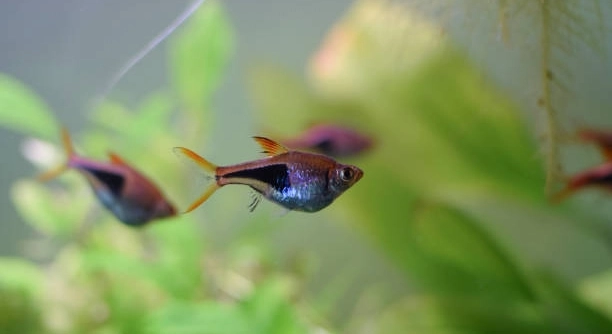
Rasboras are small, peaceful fish that thrive in calm environments. Their sense of security plays an important role in their overall health and behavior. Knowing what makes them feel safe helps improve their care and well-being.
Providing proper tank conditions, appropriate hiding spots, stable water parameters, compatible tank mates, and consistent feeding routines all contribute to making rasboras feel secure. These factors reduce stress and encourage natural behaviors that promote their health and longevity.
Understanding these elements can help you create a more comfortable and stable home for your rasboras. Each factor works together to support their natural instincts and daily needs.
Proper Tank Conditions
Rasboras feel most secure when their tank environment closely matches their natural habitat. A well-maintained tank with stable temperature, clean water, and proper filtration is essential. These fish prefer slightly acidic to neutral water with temperatures between 72 and 78°F (22-26°C). Keeping water parameters consistent helps reduce stress and illness. Bright lighting can make rasboras nervous, so moderate or dim lighting is better. They also appreciate gentle water flow since strong currents can tire them out. Regular water changes and monitoring for toxins keep the tank healthy, creating a safe space for the fish. Ensuring enough swimming room and avoiding overcrowding supports their natural schooling behavior, which adds to their sense of security.
Maintaining proper tank conditions supports rasboras’ health and comfort. Stable environments keep them calm and active.
A tank that replicates natural conditions helps rasboras feel at ease. Careful attention to water quality, temperature, and lighting minimizes stress. When their environment is comfortable, rasboras display brighter colors and more natural behavior. This creates a peaceful atmosphere where they can thrive and interact socially. A balanced setup prevents common health problems and supports a longer life. Proper tank conditions are the foundation for rasboras to feel secure and content.
Hiding Spots and Decorations
Hiding places are important for rasboras to feel safe. Plants, rocks, and decorations provide shelter.
Providing plenty of hiding spots encourages natural behavior and reduces stress. Live plants not only offer cover but also improve water quality by absorbing nitrates. Dense plants like Java fern, Anubias, and floating species create shaded areas, helping fish feel protected. Adding caves or driftwood also gives them places to retreat when feeling threatened. These elements break the line of sight in the tank, which lowers aggression from other fish. When rasboras have options to hide, they gain confidence and show more active, healthy behavior. Avoid sharp or rough decorations that could harm their delicate fins. Well-planned tank décor supports their instinct to seek shelter, making their environment feel more secure and welcoming.
Stable Water Parameters
Consistent water parameters are vital for rasboras’ well-being. Sudden changes can cause stress and illness.
Maintaining stable pH, hardness, and temperature helps rasboras stay healthy. Frequent fluctuations may weaken their immune system. Monitoring water with test kits allows quick adjustments before problems arise. Ideal pH is around 6.5 to 7.5, with soft to moderately hard water. Avoid sudden temperature changes by using a reliable heater and placing the tank away from drafts or direct sunlight. Regular water changes keep ammonia, nitrite, and nitrate levels low. Stability reduces stress and supports their natural behavior.
Rasboras are sensitive to chemicals like chlorine and heavy metals found in tap water. Using a water conditioner removes these harmful substances. Keeping the tank environment consistent allows them to focus energy on feeding and schooling rather than coping with stress. Stable water parameters promote a longer, healthier life.
Compatible Tank Mates
Choosing peaceful tank mates helps rasboras feel secure and reduces conflict. Aggressive fish cause stress and harm.
Compatible species include small tetras, Corydoras catfish, and peaceful rasboras. These fish share similar water needs and temperaments. Avoid large or territorial fish that may bully or chase rasboras. Keeping a group of at least six rasboras strengthens their schooling instinct, providing safety in numbers. When tank mates coexist without aggression, all fish stay calmer and healthier. Providing enough space and hiding spots also minimizes stress. Careful selection and monitoring of tank mates creates a harmonious environment for rasboras to thrive.
Consistent Feeding Routine
Rasboras respond well to a regular feeding schedule. Predictability helps reduce stress and encourages natural behavior.
Feeding them small amounts two to three times daily keeps their energy steady. Avoid overfeeding, which can pollute the water and cause health issues.
Low Stress Environment
Minimizing sudden loud noises and vibrations near the tank helps rasboras feel secure. They thrive in calm surroundings without frequent disturbances.
Proper School Size
Rasboras are schooling fish and feel safest in groups of six or more. Smaller groups can cause anxiety and shy behavior.
Quality Nutrition
Providing a balanced diet with high-quality flakes, pellets, and occasional live or frozen foods supports their health and vitality.
How often should I test the water for my rasboras?
Testing water once a week is usually enough for a stable, established tank. More frequent checks might be needed during setup or if problems arise. Consistent monitoring helps catch changes early and keeps conditions safe.
What is the ideal tank size for a group of rasboras?
A minimum of 20 gallons is recommended for a small school of six rasboras. This provides enough space for swimming and territory. Larger tanks reduce stress and allow for better water quality and compatible tank mates.
Can rasboras live with other fish species?
Yes, they do well with peaceful fish that have similar water needs. Good companions include small tetras, Corydoras, and other calm community fish. Avoid aggressive or large fish that might bully or eat them.
What do rasboras eat?
Rasboras eat flakes, pellets, and small live or frozen foods like brine shrimp and daphnia. A varied diet keeps them healthy and vibrant. Feeding small amounts multiple times a day prevents overfeeding and water pollution.
Why do my rasboras hide all the time?
Hiding can mean stress or feeling threatened. Check for poor water quality, aggressive tank mates, or lack of hiding spots. Improving these factors helps rasboras feel safe and more active.
How important is tank decoration for rasboras?
Decorations and plants offer shelter and reduce stress by breaking sightlines. Dense plants, caves, and driftwood mimic their natural habitat. Avoid sharp or rough materials that can injure them.
How often should I change the water?
Performing 20-30% water changes every one to two weeks keeps water clean and stable. Frequent changes prevent toxin buildup but avoid changing too much at once to prevent stress.
What temperature should I keep the tank?
Keep the temperature between 72 and 78°F (22-26°C). Use a heater for stability. Sudden fluctuations can harm rasboras and increase susceptibility to disease.
Can rasboras tolerate different lighting levels?
Rasboras prefer moderate to low lighting. Bright lights can cause stress and hiding. Floating plants or dimmers help create a comfortable environment.
How many rasboras should be kept together?
At least six rasboras are recommended for schooling. Smaller groups often become shy or stressed. A proper school size encourages natural behavior and confidence.
Why is my rasbora’s color fading?
Fading colors often indicate stress, illness, or poor water conditions. Improving tank quality, diet, and environment usually restores their vibrant colors.
Is it necessary to use a water conditioner?
Yes, using a water conditioner removes chlorine and harmful chemicals in tap water. This prevents damage to the rasboras’ delicate gills and supports a healthy tank.
How do I introduce new fish to my rasbora tank?
Introduce new fish slowly and monitor interactions closely. Quarantine new arrivals to prevent disease spread. Adding fish during feeding times reduces aggression and stress.
What signs show my rasboras are stressed?
Signs include hiding, erratic swimming, loss of color, and reduced appetite. Stress often results from poor water quality, aggressive tank mates, or sudden environmental changes.
Can rasboras breed in a home aquarium?
Yes, with proper conditions like soft, slightly acidic water and plenty of plants or spawning mops. Removing adults after spawning protects eggs from being eaten.
How do I clean the tank without stressing my rasboras?
Use gentle water changes and avoid disturbing the substrate too much. Clean filters regularly but keep beneficial bacteria intact. Perform maintenance calmly and consistently to reduce stress.
Rasboras are small, delicate fish that need a stable and comfortable environment to feel secure. Creating the right conditions involves several key factors such as maintaining proper tank conditions, offering enough hiding spots, and ensuring stable water parameters. Each of these plays a crucial role in keeping rasboras calm and healthy. By paying attention to their needs, you can reduce their stress and help them live longer, happier lives. When their environment matches what they naturally prefer, rasboras show brighter colors and more active behavior, which is a sign of good health.
A secure environment also includes careful selection of tank mates and a consistent feeding routine. Rasboras do best with peaceful fish that share similar water requirements. Avoiding aggressive or large fish prevents bullying and stress. Feeding small amounts two to three times a day helps maintain stable energy and reduces waste that can harm water quality. It is important to keep a regular schedule so the fish can anticipate feeding times, which adds to their sense of security. Consistency in daily care routines supports their natural habits and promotes well-being.
Finally, regular monitoring and maintenance of the tank are essential to keep water conditions stable. Testing water weekly and performing routine water changes prevent harmful toxins from building up. Using a water conditioner to remove chlorine and other chemicals ensures safe water for rasboras. Lighting should be moderate to low, as bright lights can cause anxiety. Overall, providing a calm, steady, and natural environment is key to helping rasboras feel secure. Taking these steps creates a peaceful home where these beautiful fish can thrive and display their natural behaviors.

Hello,
If you enjoy the content that we create, please consider saying a "Thank You!" by leaving a tip.
Every little bit helps us continue crafting quality advice that supports the health, happiness, and well-being of pets around the world, for pets of all shapes, sizes, and species.
We really appreciate the kindness and support that you show us!