
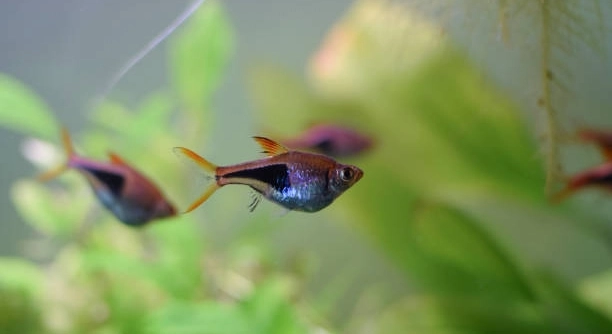
Many aquarium enthusiasts notice that rasboras often stay close together in groups. This behavior is common and can be seen in various species of rasbora fish. Understanding why they do this helps improve their care and environment.
Rasboras huddle together primarily for protection, social interaction, and environmental comfort. Grouping reduces their risk of predators, supports natural schooling instincts, and helps regulate stress levels. This behavior also facilitates communication and increases their sense of security.
Exploring these reasons reveals important insights into their natural habits and how to maintain a healthy aquarium environment for them.
Safety in Numbers
Rasboras instinctively group together because it makes them feel safer. In the wild, staying close helps protect them from predators. When they swim in tight schools, it becomes harder for a predator to single out one fish. This natural behavior continues in aquariums, where the presence of other fish reduces stress and makes them more confident. You may notice that when a rasbora is isolated, it often appears nervous or hesitant. Being part of a group also helps them react quickly to any threats. This sense of safety is important for their well-being and encourages natural movement and activity. Ensuring your tank has enough rasboras so they can school properly supports their health and reduces aggressive or shy behaviors.
Safety through grouping is an instinct that supports their survival and reduces stress in captivity.
Creating a safe environment involves keeping a suitable number of rasboras together. A group of at least six is ideal for them to form a stable school. This allows them to express natural behaviors without feeling exposed. When rasboras are comfortable, they swim more actively and display brighter colors. Avoid placing a single rasbora in a tank because it may become lonely or stressed, which can lead to health problems. Their need to stay together is a direct reflection of their survival tactics. Providing plants or decorations can also offer hiding spots, complementing their natural schooling behavior and boosting their sense of security.
Social Interaction and Communication
Rasboras use group behavior to communicate and establish social bonds. Huddling together helps them share information about food sources, threats, or changes in the environment. This social aspect is essential for their mental health and daily activity levels. When they swim close, they synchronize their movements, which strengthens their connection and keeps the group cohesive.
The social nature of rasboras ensures they remain active and alert, promoting overall health and well-being.
In an aquarium setting, observing how rasboras interact can provide insight into their mood and health. When they school tightly, it often means they feel secure and content. If the group starts to break apart or some fish isolate themselves, it may indicate stress or illness. Social interaction also plays a role during feeding times when they communicate to locate food quickly. This behavior reduces competition and helps maintain harmony in the tank. Encouraging natural social behaviors by keeping adequate group sizes enhances their quality of life and allows owners to better understand their needs.
Temperature and Comfort
Rasboras tend to huddle when the water temperature is not ideal. Cooler or fluctuating temperatures can make them cluster to conserve heat and feel more comfortable.
Temperature affects their metabolism and behavior significantly. When water is too cold or unstable, rasboras slow down and group together to share body warmth. This behavior is a natural response to maintain a stable internal condition. Providing consistent temperature within their preferred range, typically between 74°F and 79°F (23°C to 26°C), helps keep them active and spread out. Sudden changes or low temperatures may cause them to stay close, appearing less lively. Monitoring your tank’s temperature regularly ensures a healthy environment that meets their needs.
Besides warmth, stable water conditions reduce stress and promote natural schooling. Rasboras depend on steady temperatures to feel secure and behave normally. Grouping during discomfort signals an adjustment period, so maintaining consistent warmth supports their well-being and prevents health issues caused by temperature stress.
Breeding Behavior
During breeding, rasboras huddle tightly for protection and coordination. This behavior helps synchronize spawning and keeps them safe from threats.
Breeding causes changes in their social structure and activity. Males often gather near females, forming clusters to encourage mating. These groups help facilitate fertilization and protect eggs from predators. Females also stay close to the group to increase the chances of successful spawning. During this time, rasboras may appear more active or restless. Proper tank conditions, including plants and hiding spots, support this natural process. Observing these groupings can help identify breeding readiness and behavior without disrupting their environment.
Stress and Anxiety
Rasboras huddle when they feel stressed or threatened. Changes in their environment or the presence of predators can trigger this behavior.
Stress causes them to seek safety in numbers. Keeping their tank stable and calm helps reduce anxiety and prevents excessive clustering.
Environmental Changes
Sudden changes in water quality, lighting, or tank setup can make rasboras group closely. They respond quickly to disruptions in their habitat.
Maintaining consistent water parameters and a familiar environment reduces stress and encourages normal schooling behavior. Avoid frequent rearrangements to help them feel secure and comfortable.
Feeding Behavior
Rasboras often gather tightly during feeding times. This grouping helps them find food quickly and eat efficiently.
They rely on social cues to locate food, so feeding in groups supports their natural behavior and keeps the tank peaceful.
Why do rasboras always swim together?
Rasboras swim together because schooling is a natural instinct that provides safety and social comfort. Staying in groups helps them avoid predators and reduces stress. This behavior continues in aquariums, where they feel more secure and confident when surrounded by others of their kind.
How many rasboras should I keep together?
A minimum group of six rasboras is recommended for proper schooling. Smaller groups can cause stress and loneliness, leading to poor health. Larger groups promote natural behavior, activity, and reduce the risk of aggressive or shy tendencies.
What happens if a rasbora is alone?
A solitary rasbora may become stressed, lethargic, or hide frequently. Isolation goes against their social nature and can weaken their immune system. Keeping them in groups helps maintain their well-being and encourages normal swimming patterns.
Do rasboras huddle only when scared?
No, rasboras huddle not just when scared but also for warmth, social interaction, breeding, and feeding. Clustering helps regulate temperature and improves communication within the group, making it a versatile behavior for various needs.
Can tank size affect rasbora schooling behavior?
Yes, tank size plays a role. Too small a tank can limit movement and force tighter grouping, which might increase stress. A properly sized tank with enough space allows natural schooling without overcrowding, which supports healthy behavior and reduces tension.
Why do rasboras huddle near plants or decorations?
Plants and decorations provide shelter and comfort, helping rasboras feel safe. Huddling near these areas mimics their natural habitat where they seek cover from predators and harsh currents. This positioning supports their need for security and relaxation.
Does water temperature influence their grouping?
Water temperature affects rasbora activity and grouping. Cooler or unstable temperatures may cause them to huddle to conserve warmth. Keeping temperature stable within their preferred range helps maintain normal schooling and activity levels.
How can I tell if rasboras are stressed?
Signs of stress include excessive hiding, loss of color, erratic swimming, or tight huddling for long periods. Sudden changes in behavior or refusal to eat are also indicators. Maintaining stable tank conditions and proper group sizes reduces stress risks.
Is it normal for rasboras to separate sometimes?
Occasional separation can happen during feeding or exploration but should not last long. If a fish consistently isolates itself, it could be a sign of illness or stress. Monitoring their behavior helps ensure group cohesion and health.
Do rasboras communicate through huddling?
Yes, huddling supports communication. By swimming closely, rasboras coordinate movements, share information about food or threats, and strengthen social bonds. This behavior is essential for their survival and well-being in both wild and captive environments.
What can I do to encourage healthy schooling?
Provide a suitable tank size, maintain stable water conditions, and keep at least six rasboras together. Adding plants and hiding spots encourages natural behavior. Regular feeding and minimal disturbances help them stay comfortable and active as a group.
Can stress from other fish affect rasbora grouping?
Yes, aggressive or territorial tank mates can cause rasboras to cluster tightly or hide. Choosing peaceful community fish and ensuring enough space helps reduce stress and promotes normal schooling behavior among rasboras.
Understanding why rasboras huddle together provides useful insight into their natural behavior. These small fish rely on grouping for safety, comfort, and communication. Whether it is to avoid predators, maintain warmth, or coordinate social interactions, schooling is an important part of their daily life. Recognizing this behavior helps aquarists create better environments that meet the needs of rasboras, keeping them healthy and active. Observing their grouping habits offers clues about their well-being and the overall condition of the aquarium.
Maintaining the right conditions supports the natural tendencies of rasboras to school. A proper group size, stable water temperature, and minimal stressors allow them to express normal behavior. When rasboras are kept in suitable groups, they show more vibrant colors, swim more confidently, and display less anxiety. Providing hiding spots and a peaceful environment also contributes to their comfort and safety. These factors together reduce the risk of illness and encourage a balanced ecosystem in the tank. Understanding their instinctive need to stay together encourages better care and attention to their social nature.
Paying attention to rasboras’ huddling behavior can prevent many common issues in home aquariums. Changes in grouping patterns might signal stress, illness, or environmental problems. Acting on these signs early helps maintain their health and prolongs their lifespan. Overall, respecting the natural behaviors of rasboras is key to creating a thriving aquarium. Providing stable conditions and proper social groups ensures these fish remain calm, happy, and active. This knowledge helps anyone keep rasboras successfully and enjoy their graceful presence in the tank.

Hello,
If you enjoy the content that we create, please consider saying a "Thank You!" by leaving a tip.
Every little bit helps us continue crafting quality advice that supports the health, happiness, and well-being of pets around the world, for pets of all shapes, sizes, and species.
We really appreciate the kindness and support that you show us!