
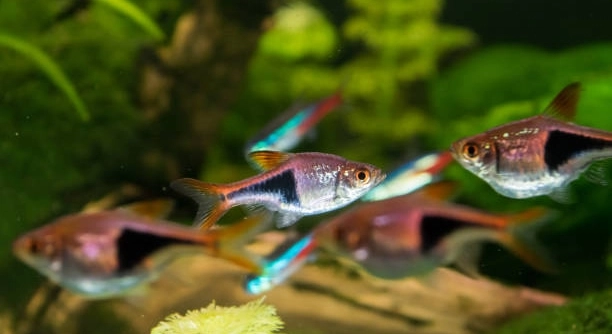
Rasboras are popular freshwater fish often kept in home aquariums. Watching their behavior can reveal how well they are adjusting to their environment and caretaker. Recognizing their signs helps maintain a healthy and comfortable tank for them.
Rasboras adjust to their new surroundings through specific behavioral and physical changes. These include consistent swimming patterns, responding to feeding routines, displaying normal coloration, and interacting calmly with other tank inhabitants. Such clues indicate their comfort and adaptation levels.
These signs are important to understand for creating a supportive habitat for your rasboras. Observing them closely can improve your fishkeeping experience and their overall well-being.
Consistent Swimming Patterns
Rasboras that are adjusting well tend to swim steadily and confidently around the tank. They explore their environment without signs of stress, such as frantic darting or hiding. This consistent movement shows they feel secure and are comfortable with their surroundings. When first introduced, they might stay near plants or decorations, gradually becoming more active as they settle in. Over time, you will notice them swimming in small groups, which is a natural behavior for many rasbora species. This social swimming is a positive sign that they trust the environment and the caretaker. Maintaining stable water conditions and a calm atmosphere will encourage this healthy behavior.
Steady swimming indicates comfort and helps prevent stress-related illnesses. This pattern reflects a well-adapted fish in a suitable tank setup.
Watching these swimming habits closely gives insight into how your rasboras are settling in. It also helps you recognize if any changes in behavior might need attention or adjustments in their care routine.
Feeding Response
Rasboras begin to recognize feeding times as they adjust to their new home. They respond quickly to food and often come to the surface or specific feeding areas when they see their caretaker. This reaction shows they are learning to trust the environment and associate it with nourishment. If rasboras ignore food or hide during feeding, it could indicate discomfort or illness. Proper nutrition is essential, so offering varied and balanced food helps maintain their health. Over time, you will notice how their feeding habits become predictable, which confirms they are adapting well.
When rasboras respond to feeding cues, it reflects their comfort and routine acceptance.
Feeding response is a strong sign of adjustment and trust. It also allows you to monitor their appetite and overall health easily. Ensuring they receive proper nutrition supports their growth and activity. A consistent feeding routine not only reassures the fish but also creates a bonding pattern between caretaker and rasboras, improving their well-being. Changes in feeding behavior should be addressed promptly to prevent health issues and stress. Observing these signs offers a clear picture of how well your fish are settling in, making adjustments smoother and more effective for a thriving aquarium.
Normal Coloration
Healthy rasboras show bright, consistent colors that do not fade or darken unexpectedly. Color changes can signal stress, illness, or poor water quality, so stable coloration is a key indicator of adjustment.
Color intensity in rasboras usually improves as they settle into their tank. Freshwater conditions, proper lighting, and a balanced diet enhance their natural hues. When they feel secure, their colors become vibrant, reflecting good health and comfort. Dull or patchy coloration often signals a need to check water parameters or reduce stress factors in the tank. Keeping the environment stable supports their appearance and overall well-being.
Monitoring coloration regularly helps identify any early warning signs of discomfort or disease. It also shows how well your care practices are supporting your fish. Proper tank maintenance and nutrition are essential to keep colors vivid and consistent.
Calm Interaction with Tank Mates
Rasboras adjusting well behave calmly around other fish. They avoid aggression and join in group swimming without signs of fear or hiding. This shows their comfort within the community.
Social harmony in the tank is important for rasboras’ health. When they are relaxed, they swim alongside others, sharing space without conflict. Stress or poor adaptation often leads to isolation or aggressive encounters. Observing these peaceful interactions can reveal how well the fish have adapted to each other and the environment. Providing enough space, hiding spots, and compatible tank mates supports calm behavior and reduces stress, making the aquarium a safe home for all inhabitants.
Exploring New Areas
Rasboras that are adjusting explore different parts of the tank confidently. This behavior shows they feel safe and curious about their surroundings.
Exploration is a sign of comfort and trust. When they investigate plants, decorations, and open water, it indicates they are settling in well and adapting to their environment.
Reduced Hiding Behavior
When rasboras stop hiding and spend more time swimming openly, it means they are becoming comfortable. Excessive hiding usually points to stress or fear.
Interaction with Caretaker
Rasboras gradually get used to the presence of their caretaker. They may swim closer during tank maintenance or feeding, showing they recognize you as part of their environment. This interaction suggests a positive adjustment to daily routines and reduces their stress over time.
How long does it take for rasboras to adjust to a new tank?
Rasboras generally take about one to two weeks to adjust to a new tank. During this time, they gradually become familiar with their environment, feeding schedule, and tank mates. Factors such as water quality, tank size, and stress levels influence the adjustment period. Stable water parameters and a calm setting speed up this process. Sudden changes or poor water conditions can delay their comfort and cause stress-related behaviors. Patience is essential, as rushing the acclimation can harm their health.
What signs show that my rasboras are stressed?
Signs of stress include erratic swimming, hiding excessively, loss of color, and refusal to eat. Rasboras may also gasp at the water surface or isolate themselves from the group. Stress can be caused by poor water quality, aggressive tank mates, or sudden environmental changes. Monitoring these signs early helps prevent serious illness. Correcting water parameters, reducing noise, and providing enough hiding spots improve their comfort. Stress management is crucial for their long-term health.
Can rasboras live with other fish species?
Yes, rasboras are peaceful fish and do well with other non-aggressive species. Ideal tank mates include small tetras, guppies, and peaceful bottom dwellers like Corydoras catfish. Avoid keeping them with aggressive or large fish that may bully or eat them. Compatibility depends on tank size and the temperament of each species. Providing plenty of plants and hiding places helps reduce territorial behavior and stress. A balanced community tank supports healthy social interactions.
How often should I feed my rasboras?
Feeding rasboras once or twice daily with small portions is sufficient. Overfeeding can lead to water quality problems and health issues. A varied diet including flakes, micro pellets, and live or frozen foods like daphnia or brine shrimp supports their nutritional needs. Remove uneaten food after a few minutes to keep the tank clean. Regular feeding routines help them recognize caretakers and establish trust. Consistency in feeding promotes steady growth and vibrant coloration.
What water parameters are best for rasboras?
Rasboras thrive in clean, slightly acidic to neutral water with a pH of 6.0 to 7.5. Temperature should be stable between 72°F and 78°F (22°C–26°C). Ammonia and nitrite levels must be at zero, while nitrates should remain low. Regular water testing and changes maintain these conditions. Soft to moderately hard water is preferred. Keeping water parameters steady reduces stress and encourages natural behavior. Proper filtration and tank cycling are essential before introducing fish.
Why do my rasboras hide so much?
Excessive hiding often signals discomfort due to stress, poor water quality, or unsuitable tank mates. New environments can make rasboras cautious. Insufficient lighting or lack of plants can increase hiding. Addressing these issues by improving water conditions, adding hiding spots, and ensuring peaceful tank mates encourages them to swim openly. Sometimes illness or parasites cause hiding, so watch for other symptoms. Providing a stable and enriched environment helps rasboras feel safe and reduces hiding behavior.
How can I encourage my rasboras to be more active?
Maintaining good water quality and a comfortable temperature encourages activity. Adding live plants and decorations creates a stimulating environment. Feeding a varied diet with live or frozen foods motivates natural foraging behavior. Avoid overcrowding and aggressive tank mates that cause stress. Regular but gentle interaction during feeding times helps them become more confident around caretakers. Bright but indirect lighting also promotes activity. Creating a balanced environment supports their well-being and natural swimming habits.
What should I do if my rasboras show signs of illness?
If illness signs appear—such as faded colors, lethargy, abnormal swimming, or spots—check water quality immediately. Poor water conditions often cause or worsen health issues. Quarantine sick fish if possible and consult a reliable source or veterinarian for treatment options. Medications may be needed for bacterial or parasitic infections. Early intervention improves chances of recovery. Maintain cleanliness, proper feeding, and reduce stress to prevent illness. Regular observation helps catch problems early for prompt care.
Is it normal for rasboras to change color during adjustment?
Yes, color changes are common as rasboras adapt to a new tank. Stress or poor water quality may cause dull or faded colors. As they settle and feel secure, their natural coloration returns and often becomes more vibrant. Proper diet and lighting also affect color intensity. Sudden or patchy changes can indicate health problems, so ongoing observation is important. Stable conditions help rasboras display their true colors consistently.
Can rasboras recognize their caretakers?
Rasboras may recognize the presence of their caretakers through repeated feeding and interaction. Over time, they learn to associate movement near the tank with food, often swimming closer. This behavior reflects growing trust and routine adjustment. While they do not form bonds like mammals, this recognition reduces their stress during maintenance and feeding. Consistent care and gentle handling promote this familiarity.
Final Thoughts
Observing how rasboras adjust to their new environment is essential for maintaining their health and happiness. Each fish shows signs of comfort in different ways, such as steady swimming, responding to feeding, and interacting calmly with other tank mates. Paying attention to these behaviors helps ensure that the aquarium conditions meet their needs. When rasboras are comfortable, they display normal coloration and explore their surroundings more freely. These clues are important indicators that the care provided is effective and that the fish are settling in well.
Adjusting to a new tank can be stressful for rasboras, especially in the first few weeks. Maintaining stable water parameters, a proper diet, and a calm environment can reduce this stress significantly. Stress not only affects their behavior but can also lead to illness if left unmanaged. Providing plenty of hiding spaces and avoiding aggressive tank mates creates a safer environment. Regular monitoring of their behavior and appearance allows caretakers to detect early signs of discomfort or health problems. Acting promptly on these signs helps prevent serious issues and supports the fish’s long-term well-being.
Overall, successfully keeping rasboras requires patience and consistent care. Recognizing the signs that they are adjusting allows caretakers to respond appropriately and make any necessary changes. Over time, the fish will show increased activity, trust in their environment, and healthy interactions with tank mates. These are positive outcomes that reflect a balanced aquarium ecosystem. By following best practices and observing the clues rasboras give, caretakers can enjoy a thriving, beautiful community of fish. This attention to detail ensures that the fish remain healthy and vibrant for years to come.

Hello,
If you enjoy the content that we create, please consider saying a "Thank You!" by leaving a tip.
Every little bit helps us continue crafting quality advice that supports the health, happiness, and well-being of pets around the world, for pets of all shapes, sizes, and species.
We really appreciate the kindness and support that you show us!