
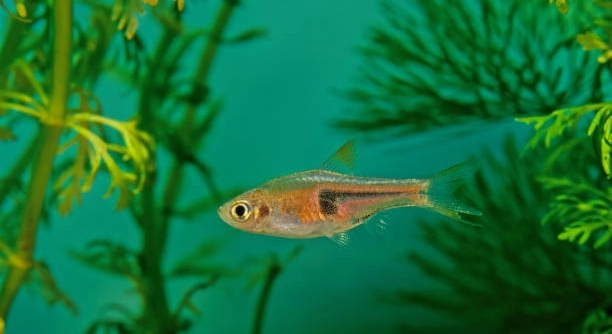
Rasboras are small, colorful fish often admired for their lively behavior in home aquariums. Their quick movements and flashes of speed can be captivating to watch. This article highlights moments when rasboras clearly show off their agility and swiftness.
Rasboras demonstrate their speed through sudden darting movements, rapid group swimming, and quick responses to environmental changes. These bursts of speed are essential for avoiding predators and navigating their habitat efficiently. Observing these moments reveals their natural athleticism.
Understanding the ways rasboras move fast helps deepen appreciation for their behavior and care in aquariums. These details provide insight into their natural instincts and how they interact with their environment.
Sudden Darting Movements
Rasboras often move with quick, sharp bursts that catch the eye. These sudden darting movements happen when they feel threatened or excited. They flick their bodies rapidly to escape or change direction in an instant. This fast motion helps them avoid predators or compete for food. Watching them dart back and forth shows how agile and alert they are. Their small size and streamlined shape allow them to make these rapid moves without losing balance. In groups, their darting looks like a coordinated dance, with each fish responding to the others’ movements. This behavior is natural and necessary for their survival. It also keeps them active and healthy in captivity. Observing these bursts can be quite enjoyable for anyone keeping rasboras in an aquarium.
These quick darts show how rasboras use speed to protect themselves and stay alert to their surroundings.
Noticing these sharp bursts of speed can help aquarists understand when rasboras feel stressed or excited. Providing enough space and hiding spots in the tank supports their natural behavior. It also encourages healthier, more active fish that show off their speed often.
Rapid Group Swimming
Rasboras frequently swim in tight groups, moving swiftly together. This rapid group swimming serves several purposes. It provides safety in numbers and makes it harder for predators to single out one fish. The synchronized motion shows how well they communicate and respond to each other. Group speed also helps them cover more ground while foraging. In an aquarium, this behavior is visible when the fish suddenly speed up or shift direction in unison. It is a sign of healthy social interaction. Maintaining a group of at least six rasboras is important to observe this behavior naturally. When they swim fast as a school, their colors shine, and their movements become mesmerizing. The coordination requires practice, which strengthens their social bonds and fitness.
The speed of their group swimming depends on factors like tank size, water conditions, and the presence of potential threats.
A well-maintained tank with proper lighting and clean water encourages this rapid schooling behavior. It also reduces stress, allowing rasboras to swim freely and display their natural speed. Watching their fast, collective movements can be a calming and fascinating experience for anyone who cares for them.
Quick Responses to Environmental Changes
Rasboras react fast to changes like sudden light shifts or tank disturbances. This quick response helps them stay safe and adjust quickly to their surroundings.
When something in their environment changes suddenly, rasboras dart away or move rapidly to a safer spot. This behavior is an instinctive reaction to potential threats, such as shadows or vibrations. It also shows their alertness and sensitivity to the tank’s conditions. Fast responses keep them safe from harm and reduce stress. Their sharp senses and agility allow them to notice small changes others might miss. This reaction is part of their survival strategy in the wild and remains strong in captivity. Aquarists who observe these movements can better understand their fish’s comfort level and tank environment.
Rapid reactions also help rasboras avoid conflicts within the tank. If a larger or more aggressive fish approaches, they use speed to keep distance and maintain peace. These fast movements are vital for their well-being and social harmony.
Chasing Food Swiftly
Rasboras display impressive speed when chasing food during feeding time. Their quick movements ensure they get their share in a competitive tank environment.
Feeding is a time when rasboras become highly active and fast. They dart toward food particles with sharp bursts of speed, often outpacing slower tank mates. This behavior highlights their natural agility and strong feeding instincts. It also helps them avoid competition by quickly grabbing food before others can. Their small size and streamlined bodies allow them to accelerate rapidly and maneuver easily. Feeding time can be a lively and entertaining moment, showing the fish’s true energy and speed. Observing this behavior can help in selecting the right food size and quantity for them.
Fast food chasing also encourages physical activity, contributing to their overall health. Ensuring regular, balanced feeding supports this natural behavior and keeps rasboras energetic and vibrant in the aquarium.
Escaping Predators
Rasboras rely on their speed to escape predators in the wild and sometimes in the aquarium. Quick bursts of movement help them evade capture.
This natural instinct keeps them safe and alive. Their agility is a key defense mechanism, allowing them to slip away from threats with ease.
Playing and Exploring
Rasboras use fast movements when exploring new areas or playing in the tank. Their curiosity often leads them to dart quickly around plants and decorations.
These moments of rapid swimming show their healthy activity levels. Encouraging exploration with a well-decorated tank supports their natural behavior and keeps them engaged.
Reacting to Tank Mates
Rasboras often respond quickly to the movements of other fish in their environment. This helps maintain social order and avoid conflicts.
Fast reactions are part of their social interactions, keeping the group cohesive and balanced. It also prevents aggression and promotes peaceful coexistence.
How fast can rasboras swim?
Rasboras are small but surprisingly quick swimmers. They can reach speeds of about 1 to 2 feet per second during short bursts. This speed helps them escape predators and compete for food. While they are not the fastest fish overall, their quick reflexes make them very agile in their environment.
Why do rasboras dart suddenly?
Sudden darting is a natural behavior tied to their survival instincts. They do this to avoid perceived threats or to quickly reach a safe spot. Even small changes like a shadow or a noise can trigger this rapid movement. It is a sign of their alertness and ability to respond quickly to danger.
Do rasboras always swim in groups?
Yes, rasboras are schooling fish and prefer to swim in groups. This group behavior helps protect them from predators, as there is safety in numbers. Swimming in a coordinated group also allows them to move more efficiently and maintain social bonds within the tank.
What causes rasboras to swim faster at times?
Rasboras speed up mainly due to excitement, stress, or the need to catch food. Changes in light, water movement, or the presence of other fish can also cause quick bursts of speed. Feeding time often triggers their fastest swimming, as they compete for available food.
Is fast swimming a sign of good health?
Generally, yes. Active and fast swimming usually means rasboras are healthy and comfortable in their environment. Lethargic or slow fish might indicate stress, illness, or poor water conditions. Monitoring their swimming patterns helps aquarists keep track of their well-being.
Can rasboras injure themselves by swimming too fast?
It is rare for rasboras to injure themselves by swimming fast. Their bodies are built for quick movement and sudden turns. However, if the tank is too small or has sharp objects, fast swimming could lead to accidents. Providing enough space and a safe environment reduces this risk.
How does tank size affect rasbora speed?
A larger tank allows rasboras to swim more freely and show off their natural speed. Small or crowded tanks can restrict movement and cause stress. Ensuring enough room for them to dart and school supports their physical and mental health.
Do all types of rasboras swim at the same speed?
Different rasbora species may vary in speed depending on size and body shape. Smaller species tend to be quicker in short bursts, while larger ones might swim more steadily. However, all rasboras generally display fast, agile movements as part of their behavior.
What can slow down rasboras’ swimming?
Factors like poor water quality, illness, stress, or inadequate diet can slow down rasboras. Environmental problems like low oxygen or dirty tanks also affect their energy levels. Regular tank maintenance and proper care keep their speed and activity up.
How to encourage healthy, fast swimming?
Provide a well-maintained tank with clean water, proper temperature, and hiding spots. A balanced diet and a peaceful environment reduce stress. Keeping rasboras in groups encourages natural schooling behavior, which includes fast, coordinated swimming. Observing their activity helps ensure they stay healthy and active.
Rasboras are small fish known for their quick and lively movements. Their speed is an important part of their behavior, helping them stay safe and interact with their environment. From sudden darting to rapid group swimming, these fish show off their natural agility in many ways. Observing these moments reveals not only their athleticism but also their health and well-being. Keeping rasboras in a suitable tank with enough space and good water conditions supports their ability to swim fast and behave naturally. This creates a better environment for them and a more enjoyable experience for those who keep them.
Speed is also essential for rasboras when it comes to feeding and avoiding danger. Their quick responses allow them to catch food before others and escape potential threats. This natural instinct helps them survive in the wild and remain active in captivity. It is important for aquarium owners to provide a setting that encourages this behavior. A clean tank with plants and hiding places can reduce stress and promote healthy activity. Watching rasboras chase food or respond rapidly to changes is a sign that they are comfortable and thriving.
Understanding how and why rasboras show their speed can improve the way they are cared for. It highlights the importance of a well-maintained environment and social groupings. Fast swimming is not just a flashy trait but a key factor in their health and social life. Paying attention to these behaviors helps identify any problems early and allows for better care. Overall, respecting their natural instincts and needs results in happier, healthier rasboras that continue to display their impressive speed in the aquarium.

Hello,
If you enjoy the content that we create, please consider saying a "Thank You!" by leaving a tip.
Every little bit helps us continue crafting quality advice that supports the health, happiness, and well-being of pets around the world, for pets of all shapes, sizes, and species.
We really appreciate the kindness and support that you show us!