
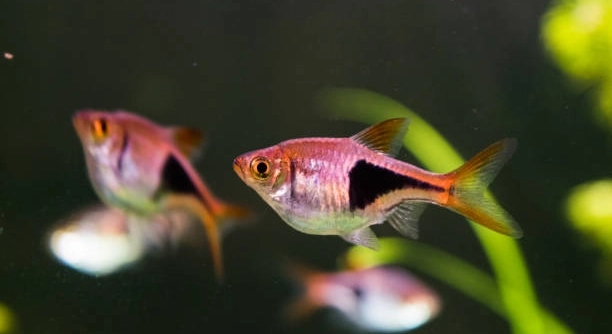
Are your rasboras suddenly staying still and refusing to swim around their tank? Many fish owners notice this behavior and wonder what might be causing it. Understanding the reasons behind this can help keep your fish healthy and active.
Rasboras may refuse to swim due to stress, poor water quality, illness, or inappropriate tank conditions. These factors disrupt their natural behavior and can lead to lethargy or hiding, signaling that something in their environment needs immediate attention.
Knowing the common causes behind this behavior will help you improve your fish’s environment and wellbeing. Keeping an eye on these signs can prevent bigger problems down the line.
Common Causes of Rasboras Refusing to Swim
When rasboras stop swimming, it is often because of changes in their environment. Poor water quality is one of the main reasons. If the water is dirty or has high levels of ammonia or nitrites, the fish may become stressed and hide. Another common issue is temperature. Rasboras prefer stable temperatures between 74 and 79°F (23-26°C). Sudden drops or rises can cause them to become lethargic. Stress from overcrowding or aggressive tank mates can also make them stop swimming. Illnesses like parasites or bacterial infections may weaken them. It’s important to regularly check water parameters and observe behavior. Making small adjustments to the tank can often bring the fish back to normal activity. Keeping the tank clean, maintaining the right temperature, and ensuring peaceful tank mates all contribute to a happy, swimming rasbora.
Regular water testing and stable conditions help rasboras stay healthy and active.
Addressing these common factors early makes a big difference. Sometimes just a simple water change or adjusting the temperature can restore your rasbora’s usual energy. Monitoring the fish closely can also catch illness early. Providing plenty of hiding spots helps reduce stress and encourages natural swimming behavior. If illness is suspected, consulting a vet or experienced aquarist can guide proper treatment. Maintaining good tank care over time supports not only your rasbora’s swimming but overall wellbeing, making your aquarium a better environment for all its inhabitants.
How Water Quality Affects Rasbora Behavior
Water quality has a direct impact on rasbora swimming activity. Poor water quality causes stress, which makes fish less likely to swim around.
Testing water parameters like ammonia, nitrite, nitrate, and pH is essential. Ammonia and nitrites are toxic, even at low levels. Nitrate is less harmful but still stressful in high amounts. Rasboras prefer slightly acidic to neutral pH (6.5–7.5). Frequent partial water changes help keep these levels safe. Filters also play a key role in maintaining clean water by removing waste and toxins. Without good filtration, toxins build up quickly. If water quality is poor, rasboras may hide or stay still to conserve energy and avoid further stress. Ensuring clean, balanced water will encourage them to swim and behave naturally, keeping your aquarium healthy and lively.
Stress and Its Impact on Rasbora Swimming
Stress is a major reason why rasboras stop swimming actively. Changes in their environment or poor tank conditions can quickly cause stress, affecting their behavior and health.
Stress in rasboras often comes from overcrowded tanks or aggressive fish. If they feel threatened or don’t have enough space to swim, they tend to hide or stay still. Sudden changes like loud noises, bright lights, or moving the tank can also trigger stress. Over time, this weakens their immune system, making them more prone to illness. Adding plants and decorations for hiding spots helps reduce stress. Keeping tank mates peaceful and compatible encourages rasboras to swim freely and behave naturally.
Stress can also arise from poor diet or inconsistent feeding times. Rasboras need a balanced diet to stay healthy and energetic. Feeding them the right amount, without overfeeding, is important. When stress is reduced and conditions improve, rasboras usually return to their normal swimming patterns. Observing their behavior closely helps identify stress early and take action to improve their environment.
Illness and Its Effects on Rasbora Activity
Illnesses like bacterial infections, parasites, or fungal growth can cause rasboras to stop swimming and hide. Signs include clamped fins, loss of color, and labored breathing. These health problems need quick attention to prevent worsening.
Common illnesses spread quickly in tanks with poor water quality or stressed fish. Early symptoms might be subtle, but delayed treatment can lead to serious health decline. Quarantining sick fish and treating with appropriate medications is often necessary. Good tank hygiene and stable water conditions reduce the risk of illness. Monitoring fish regularly allows early detection and care. Prompt action improves recovery chances and helps rasboras regain their usual activity and vitality.
Tank Conditions and Their Role in Rasbora Activity
Tank size and setup play a big part in how rasboras behave. A small or overcrowded tank limits their swimming space and causes stress.
Lack of plants or hiding spots can make them feel unsafe, leading to less movement. Providing enough room and a comfortable environment encourages natural swimming habits.
Temperature Fluctuations and Rasbora Behavior
Rasboras are sensitive to temperature changes. Sudden shifts or temperatures outside their preferred range (74–79°F) make them less active and prone to stress. Keeping a stable, appropriate temperature supports their health and keeps them swimming energetically.
Feeding Habits and Swimming Patterns
Overfeeding or underfeeding affects rasbora energy levels. Feeding small, balanced portions regularly helps maintain their activity and health.
Compatibility with Tank Mates
Aggressive or overly active tank mates can intimidate rasboras, causing them to hide and swim less. Choosing peaceful companions helps rasboras feel safe and behave naturally.
Why is my rasbora staying at the bottom of the tank and not swimming?
Rasboras often stay at the bottom when they are stressed, sick, or uncomfortable. Poor water quality or incorrect temperature can make them weak. Illnesses like bacterial infections may also cause this behavior. Sometimes, they rest at the bottom when they are adjusting to a new environment or feeling unsafe. Make sure the water is clean, stable, and within the right temperature range. Providing hiding places and calm tank mates can help them feel secure and swim normally again.
Can poor water quality cause my rasbora to stop swimming?
Yes, poor water quality is a common reason rasboras become inactive. Ammonia, nitrite, and nitrate buildup irritate their gills and stress them. This leads to lethargy or hiding behavior. Regular water testing and partial water changes keep toxins low. Using a good filter and avoiding overfeeding also helps maintain clean water. Healthy water conditions encourage rasboras to swim actively and enjoy their environment.
How does stress affect rasbora swimming behavior?
Stress causes rasboras to reduce movement or hide more often. Overcrowding, aggressive tank mates, sudden changes in lighting, or loud noises can stress them. Stress weakens their immune system and lowers energy. Adding plants and decorations offers shelter and comfort, reducing stress. Keeping stable water conditions and compatible tank mates helps rasboras feel safe and swim confidently.
What tank size is best to keep rasboras active?
A minimum of 10 gallons is recommended for a small group of rasboras. They are schooling fish and need space to swim together. A cramped tank limits movement and increases stress. More space means better water quality and less aggression. A larger tank with plants and open swimming areas supports healthy, active behavior.
Can temperature changes make my rasbora stop swimming?
Yes, sudden temperature changes or prolonged exposure to temperatures outside 74–79°F (23–26°C) can slow down rasboras. Their metabolism depends on stable warmth. Too cold or too hot water causes lethargy or hiding. Using a heater with a reliable thermostat keeps temperature steady. Gradual adjustments help fish adapt without stress.
How can I tell if my rasbora is sick and not just resting?
Sick rasboras show symptoms like clamped fins, faded colors, rapid breathing, or spots on their body. They might stop eating and isolate themselves. Resting fish usually swim again after short breaks. If your rasbora stays inactive for days or shows signs of distress, it likely needs treatment. Checking water quality and consulting a vet or expert can help identify the problem.
Is diet related to rasbora swimming habits?
Yes, feeding affects their energy and behavior. Overfeeding causes poor water quality and stress, reducing activity. Underfeeding leads to weakness and lethargy. A balanced diet with small portions given once or twice daily keeps rasboras healthy and active. High-quality flakes, frozen, or live foods provide needed nutrients.
What tank mates are best for keeping rasboras active?
Peaceful, small fish like tetras or danios make good tank mates. Aggressive or large fish scare rasboras, making them hide. Avoid fin-nippers or overly active species that stress them. Compatible companions encourage natural schooling and swimming behavior.
Why do my rasboras hide and refuse to swim in a new tank?
New tanks can feel unsafe to rasboras. They may hide to avoid perceived threats while adjusting. Lack of familiar surroundings or plants increases stress. Giving them time, maintaining good water quality, and providing plenty of hiding spots help them feel secure and start swimming normally.
How often should I clean my rasbora tank to encourage swimming?
Regular cleaning is key. Partial water changes of 20–30% once a week keep toxins low and water fresh. Cleaning the substrate and filter prevents waste buildup. Avoid full tank cleanings that stress fish. Maintaining a clean, stable environment encourages rasboras to stay active and healthy.
Rasboras are small, peaceful fish that bring life and color to any aquarium. When they stop swimming or stay inactive, it usually means something in their environment isn’t right. Common issues include poor water quality, stress, illness, or tank conditions that don’t meet their needs. By paying attention to these factors, you can help your rasboras feel safe and comfortable, encouraging them to swim and behave naturally. Taking simple steps like testing water regularly, maintaining a stable temperature, and providing enough space can make a big difference in their health and activity levels.
It’s important to watch your fish closely and notice any changes in their behavior. If your rasbora seems stressed or sick, try to identify the cause quickly. Sometimes, the fix is easy—like doing a water change or adjusting the tank setup. Other times, it might require treating illness or changing tank mates to reduce stress. Remember, rasboras are sensitive and rely on a balanced environment to thrive. Small, regular efforts in tank maintenance and care will keep them active and happy for a long time.
Keeping rasboras healthy is not always complicated, but it does require attention and care. Providing clean water, a stable temperature, a proper diet, and a peaceful environment helps them swim freely and enjoy life in your aquarium. When they are active and moving, it’s a good sign they are comfortable and well cared for. By understanding what causes them to stop swimming, you can avoid problems before they become serious. This knowledge helps you create a better home for your rasboras and enjoy their lively presence every day.

Hello,
If you enjoy the content that we create, please consider saying a "Thank You!" by leaving a tip.
Every little bit helps us continue crafting quality advice that supports the health, happiness, and well-being of pets around the world, for pets of all shapes, sizes, and species.
We really appreciate the kindness and support that you show us!