
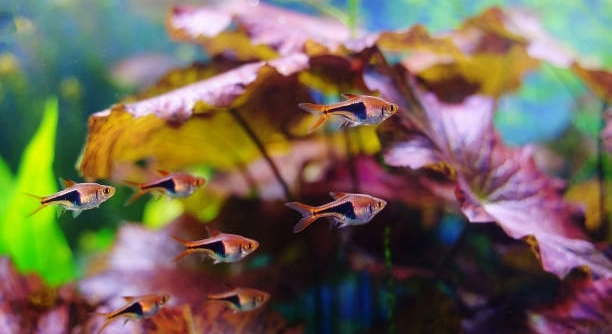
Many fish owners pay close attention to water quality and tank decorations but often overlook the impact of substrate choice. Rasboras, small and active fish, interact differently with various gravel types. Their behavior and comfort can be influenced by what lies beneath them.
Rasboras show distinct reactions to gravel types based on texture, color, and size. Smooth, fine gravel tends to encourage natural swimming and foraging behaviors, while rough or sharp gravel may cause stress or injury. Darker substrates often make rasboras feel more secure.
Choosing the right gravel is more important than it might seem for keeping rasboras healthy and happy in an aquarium environment.
How Gravel Texture Affects Rasbora Behavior
Rasboras are sensitive to the texture of the gravel in their tank. Smooth gravel allows them to swim close to the bottom without discomfort. They often explore and forage more actively on fine, rounded gravel. On the other hand, rough or sharp gravel can make them hesitant to swim near the substrate. It might even cause small injuries to their delicate fins or bodies. Over time, this can lead to stress or illness. In some cases, rasboras may avoid certain areas of the tank entirely if the gravel feels unpleasant. Choosing the right gravel texture helps create a safe and comfortable environment. This encourages natural behavior and promotes their overall well-being in the aquarium.
Selecting smooth and fine gravel is generally the safest choice for keeping rasboras comfortable and active in their habitat.
Many aquarists don’t realize how much gravel texture influences fish behavior. When rasboras feel secure on the tank floor, they display natural movements like darting and resting calmly. The right substrate encourages healthy feeding habits since they often pick food particles from the bottom. In contrast, rough gravel can increase stress, leading to less activity and a weaker immune response. For a peaceful tank, smooth gravel reduces the risk of injury and supports the fish’s comfort. This simple change in substrate can significantly improve the quality of life for your rasboras.
The Role of Gravel Color in Rasbora Comfort
Gravel color impacts how secure rasboras feel in their environment.
Rasboras often prefer darker gravel because it mimics their natural habitat, providing a sense of safety from predators. Lighter or very bright gravel can make them more visible and anxious, sometimes causing them to hide more or swim nervously. Darker substrates also enhance the coloration of the fish, making their natural colors stand out better. This can improve tank aesthetics and help monitor their health more easily. Choosing gravel color that matches their comfort can reduce stress and encourage more natural and relaxed behavior in rasboras. When selecting gravel, consider the natural environment these fish come from and try to replicate those conditions.
While color might seem like a minor detail, it plays a key role in how rasboras adapt and thrive in a home aquarium.
Gravel Size and Its Impact on Rasbora Activity
Gravel size affects how rasboras interact with their tank bottom. Smaller gravel lets them move easily and forage without difficulty. Larger gravel can obstruct their movement or trap food, which may lead to poor water quality.
Fine gravel creates a smooth surface where rasboras can swim comfortably and search for tiny food particles. It also prevents debris buildup, making tank cleaning easier. Larger gravel pieces may hurt their fins or cause hesitation in swimming near the bottom. Rasboras prefer spaces where they can explore freely without feeling trapped or injured by the substrate.
Using medium to fine gravel balances safety and cleanliness. It allows rasboras to behave naturally while helping maintain a healthy tank environment. Keeping gravel size appropriate improves their activity and reduces stress, which supports their overall health.
Gravel Maintenance and Rasbora Health
Keeping gravel clean is essential for rasboras’ well-being.
Dirty gravel can lead to harmful bacteria growth, affecting water quality and fish health. Uneaten food and waste trapped in gravel cause ammonia buildup, which stresses rasboras and weakens their immune systems. Regular gravel vacuuming removes debris and keeps the tank environment stable. Clean gravel also prevents unpleasant odors and helps maintain clear water. Consistent maintenance promotes a healthy habitat where rasboras thrive, showing more vibrant colors and active behavior. Gravel care is a simple step that has a big impact on keeping these fish healthy and comfortable in your aquarium.
Gravel Shape and Rasbora Interaction
Rounded gravel reduces the risk of injury to rasboras while they swim near the bottom. Sharp or jagged gravel can cause damage to their delicate fins or skin.
Fish tend to avoid rough substrates because they feel less secure. Rounded gravel encourages natural exploration and resting behaviors, helping rasboras feel safer in their environment.
Substrate and Water Chemistry
Some gravel types can affect water pH and hardness, influencing rasbora health. For example, limestone gravel may raise pH levels, which could stress these fish.
It’s important to choose neutral gravel that won’t alter water chemistry drastically. Stable water conditions help maintain rasboras’ well-being and reduce disease risk.
Gravel Color and Tank Aesthetics
Darker gravel enhances rasbora colors and creates a natural look in the aquarium. It also helps hide debris, keeping the tank visually clean.
FAQ
What type of gravel is best for rasboras?
The best gravel for rasboras is smooth, fine to medium-sized, and rounded. This kind of substrate allows them to swim and forage comfortably without risk of injury. Avoid sharp or large gravel pieces that could harm their fins or make them avoid the tank bottom. Neutral-colored gravel, especially darker shades, tends to make rasboras feel more secure and helps show off their natural colors.
Can gravel affect the water quality in a rasbora tank?
Yes, gravel can impact water quality depending on its material. Some gravels, like those made from limestone or coral, can raise the water’s pH and hardness, which might stress rasboras. It’s important to pick inert gravel that doesn’t change water chemistry. Regular cleaning of the gravel helps remove waste and leftover food, preventing harmful ammonia buildup.
How often should I clean the gravel in my rasbora tank?
Cleaning gravel should be part of regular tank maintenance, ideally every one to two weeks. Using a gravel vacuum during water changes helps remove debris trapped between the stones. This keeps the water clean and reduces the chance of disease. However, avoid cleaning all the gravel at once to maintain beneficial bacteria that help break down waste.
Does gravel color influence rasbora behavior?
Gravel color plays a role in how secure rasboras feel. Darker gravel tends to make them feel safer by mimicking their natural environment, which can reduce stress and encourage natural behavior. Bright or very light-colored gravel may make rasboras more nervous or shy, as it increases their visibility in the tank.
Is it okay to mix different types of gravel in the same tank?
Mixing gravel types can be done but it’s best to keep the substrate uniform in texture and size for rasboras’ comfort. Different gravel materials might affect water chemistry differently, so choose inert options. Also, uneven gravel size or rough edges might stress the fish or make tank cleaning harder.
Can gravel cause injury to rasboras?
Yes, gravel that is sharp or rough can cause physical damage to rasboras’ fins and bodies. This can lead to infections or stress. Always select smooth, rounded gravel to minimize the risk of injury and help rasboras move freely and confidently in their tank.
Will changing the gravel upset my rasboras?
Rasboras can get stressed by sudden changes, including new gravel. When changing substrate, it’s best to do it gradually or move the fish to a temporary tank while cleaning. Rinsing new gravel thoroughly before adding it also helps avoid clouding the water and disturbing the tank environment.
What happens if I use sand instead of gravel?
Sand can be a good alternative to gravel if it’s clean and fine enough. Rasboras can swim over sand easily, and it prevents sharp edges. However, sand can compact and trap waste, so regular stirring or cleaning is important to avoid harmful gas buildup. Choose aquarium-safe sand without additives.
Does gravel choice affect tank plants and decorations?
Yes, the right gravel can support live plants by allowing roots to grow and absorb nutrients. Fine to medium gravel is best for planted tanks with rasboras. Avoid very large or heavy gravel that can crush roots. Some gravel types may also impact water chemistry, which affects plant health.
Can gravel affect the overall aquarium environment?
Gravel is part of the tank’s ecosystem. It provides surface area for beneficial bacteria to grow, which helps break down waste and maintain water quality. The right gravel supports stable water conditions, encourages natural fish behavior, and makes tank maintenance easier. Choosing carefully benefits both the fish and the whole aquarium.
Final Thoughts
Choosing the right gravel for your rasbora tank is more important than many people realize. The gravel you pick affects how your fish behave, how comfortable they feel, and even their overall health. Smooth, fine to medium-sized gravel is usually the best choice because it allows rasboras to swim and explore the bottom of the tank safely. Rough or sharp gravel can cause injuries and make the fish avoid certain areas, which might lead to stress. Keeping the gravel comfortable and safe helps your rasboras live a happier life in their aquarium.
The color of the gravel also plays a key role. Darker gravel tends to make rasboras feel more secure because it resembles their natural environment. This can reduce anxiety and encourage them to swim naturally and show their best colors. Light or very bright gravel may make them more nervous because it makes them stand out more in the tank. So, choosing the right color can improve both the fish’s well-being and the overall look of the aquarium. It is a simple way to create a better environment for your rasboras without much extra effort.
Finally, keeping the gravel clean is just as important as choosing the right type. Dirt and leftover food trapped in the gravel can harm water quality and cause health problems for your fish. Regular cleaning with a gravel vacuum helps remove waste and keeps the water fresh. It also prevents the buildup of harmful bacteria and toxins that can stress or make your rasboras sick. Paying attention to gravel maintenance ensures that your tank stays a safe and healthy place for your fish to thrive. By combining the right gravel choice with proper care, you create the best home possible for your rasboras.

Hello,
If you enjoy the content that we create, please consider saying a "Thank You!" by leaving a tip.
Every little bit helps us continue crafting quality advice that supports the health, happiness, and well-being of pets around the world, for pets of all shapes, sizes, and species.
We really appreciate the kindness and support that you show us!