
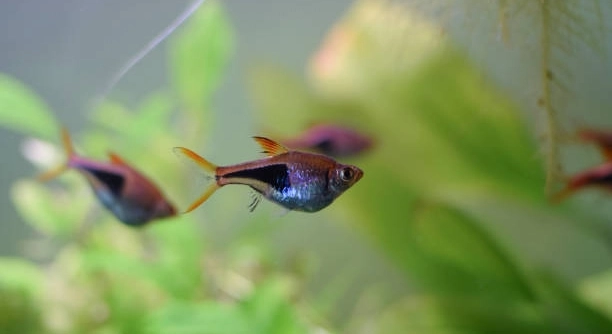
Have you ever noticed your rasbora acting a little different as the seasons change? You’re not alone in observing these subtle shifts. Seasonal changes can influence your fish in ways that might surprise you.
Rasboras often display seasonal behaviors such as increased schooling, reduced activity, color changes, altered feeding patterns, and breeding displays. These changes are typically linked to variations in temperature, lighting, and water chemistry throughout the year.
Understanding these patterns helps you support your rasbora’s natural rhythms and maintain a healthier, more responsive tank environment all year round.
Seasonal Changes in Activity Levels
During colder months or when room temperatures drop, rasboras may become less active. You might see them swimming more slowly or spending extra time near the bottom of the tank. This slowdown often happens because lower temperatures can affect their metabolism, making them more sluggish. As temperatures rise, especially in spring and summer, you’ll likely notice a boost in their energy. They may start swimming in tighter schools, darting around the tank more frequently. It’s important to keep your tank within the ideal range of 72°F to 82°F, as temperature shifts can influence behavior. A steady environment helps rasboras feel safe and comfortable. Adjusting the lighting and feeding schedules as seasons change can also support their natural rhythm. Even slight changes can trigger these subtle behavior shifts, so regular tank checks and minor adjustments go a long way in keeping them balanced.
When the seasons change, rasboras may not act the same. Their energy levels shift depending on the temperature and light.
If you notice changes in your rasbora’s behavior, don’t panic. It’s often a response to the environment around them. Consistent care makes a difference. Try to maintain stable conditions throughout the year, especially during seasonal transitions. When water temperature dips too low, their movements may slow down significantly. On the other hand, rising warmth and increased daylight can spark higher activity levels, sometimes even signaling breeding readiness. Avoid sudden changes in tank setup, lighting, or feeding routines unless necessary. These fish prefer consistency and react best when adjustments happen gradually. Observing them closely through each season helps you understand their patterns better and react when needed. Staying in tune with their natural behaviors can also improve their overall well-being.
Breeding Displays and Mating Behavior
Seasonal cues can trigger rasboras to show signs of breeding, especially in spring and summer. Longer daylight and warmer water tend to be the most common triggers.
During these months, males often become more vibrant in color, and you may notice a slight increase in territorial behavior. They might chase females or swim in a more assertive way. This behavior is generally short-lived and a sign they’re ready to mate. Females may appear rounder in the belly as they produce eggs. You might also see some gentle chasing, which is normal and part of the courtship. If you’re planning to breed them, creating a separate breeding tank and keeping the water temperature stable will help. Rasboras prefer soft, slightly acidic water when breeding. They tend to scatter their eggs, which then fall to the bottom. If left in a community tank, eggs can be eaten, so a dedicated setup offers better chances for fry survival.
Changes in Schooling Behavior
Rasboras are natural schoolers, but their grouping habits can shift depending on the season. During colder months or when stressed, they may huddle more closely, while warmer periods often lead to looser, more relaxed formations.
In cooler conditions, rasboras tend to stick together tightly, swimming in more uniform patterns. This can be a response to changes in temperature, perceived threats, or lower energy levels. A tight group helps them feel secure and conserves energy. In warmer seasons or when conditions are ideal, you’ll often notice their school spread out, moving more freely across the tank. This usually means they’re feeling more comfortable and alert. Seasonal lighting and tank placement can also play a role in how they gather. A calm, consistent setup will allow them to adjust naturally without added stress from sudden shifts in their surroundings.
If your rasboras suddenly change how closely they swim together, it could reflect small changes in the tank environment. Even subtle lighting changes or shifts in water flow might influence how they respond. During high-stress times, they school tightly for comfort and safety. When they feel secure, they space out and move more fluidly. These behaviors are normal and often don’t mean anything is wrong, but it helps to check temperature, lighting, and water conditions when changes in schooling behavior appear. This way, you can support their need for safety while giving them space to show natural behavior. Observing their movements closely will help you learn their seasonal rhythm.
Fluctuations in Appetite and Feeding Response
Changes in water temperature or daylight exposure can affect how much your rasboras want to eat. During colder periods, they may eat less or show little interest in food.
Rasboras are sensitive to environmental shifts, and even slight seasonal changes can influence their appetite. In colder conditions, their metabolism slows, and they tend to reduce their food intake. You might notice them ignoring flakes or pellets they usually enjoy. In warmer months, however, they often become more eager at feeding times, swimming quickly toward the surface. Their energy picks up and so does their interest in food. It’s helpful to adjust portion sizes based on how they’re acting. Overfeeding when they’re less active can dirty the tank and stress the fish. Observing their appetite and adjusting feeding routines seasonally keeps your rasboras healthier and your tank cleaner. Consistency and moderation will help keep their digestion on track.
Subtle Shifts in Color
You may notice your rasboras becoming brighter or duller during different times of the year. Warmer temperatures and longer daylight often bring out deeper reds and stronger markings in many rasbora species.
In colder months or under low light, their colors may fade slightly. This is usually normal and not a sign of illness.
Altered Resting Patterns
Rasboras sometimes rest more during seasonal changes, especially when days get shorter. You might see them floating near the bottom or mid-level, staying still for longer periods than usual. This doesn’t always mean something is wrong. It can simply be their natural way of adjusting to cooler temperatures or dimmer lighting. As conditions stabilize or warm up, they usually become more active again. Watching their patterns during feeding and swimming can help you tell whether they’re just resting or if something in the tank needs attention. As long as they eat well and swim normally at other times, occasional resting is often nothing to worry about.
Increased Sensitivity to Water Changes
Seasonal shifts can make rasboras more sensitive to water quality. It’s helpful to test more frequently and keep conditions stable. Sudden changes in temperature or pH can stress them, even if they usually tolerate those ranges.
FAQ
Why do my rasboras swim more closely together in certain seasons?
Rasboras swim tightly in schools mainly when they feel less secure or when environmental factors change. Cooler temperatures and lower light levels often cause them to group more closely for safety and warmth. This behavior helps conserve energy and protects them from perceived threats. When conditions improve—like warmer water or more stable lighting—they tend to spread out and swim more freely. So, if you notice tighter schooling, it usually reflects their response to seasonal shifts rather than illness or stress.
Is it normal for rasboras to eat less during colder months?
Yes, it’s quite normal. Like many fish, rasboras have slower metabolisms in cooler water, which means they require less food and show less appetite. Overfeeding during these times can lead to uneaten food and poor water quality, which harms the fish. Adjust feeding amounts based on how eagerly they eat and remove leftover food promptly. This helps keep your tank clean and your fish healthy.
What causes rasboras to change color seasonally?
Color changes are often linked to water temperature, lighting, and breeding readiness. Warmer temperatures and longer daylight typically bring out brighter, richer colors, especially in males during mating season. Duller colors in colder or dimmer conditions are natural and usually temporary. If the fading is sudden or accompanied by other symptoms like lethargy or spots, it could indicate health problems and should be checked.
How can I tell if my rasbora’s resting behavior is normal?
Rasboras resting near the bottom or mid-level of the tank for longer periods can be part of their natural seasonal adjustment. If they remain alert during feeding and swim normally at other times, this rest is likely normal. However, if they are inactive for long stretches, refuse food, or show signs of distress, you should check water parameters and consider possible illness.
Do rasboras breed naturally in home aquariums during certain seasons?
Yes, seasonal changes like increased temperature and longer daylight can trigger breeding behavior. Males become more colorful and show chasing behavior, while females become fuller with eggs. Providing soft, slightly acidic water and a separate breeding tank improves success. In community tanks, eggs are often eaten, so isolating breeding pairs helps protect the fry.
Why are my rasboras more sensitive to water changes during seasonal shifts?
Seasonal shifts can stress rasboras, making them more vulnerable to water parameter fluctuations. Sudden temperature swings, pH changes, or poor water quality affect them more during these times. Keeping water stable, testing regularly, and performing gentle, consistent maintenance reduces stress and keeps them healthy.
How should I adjust my care routine for rasboras during seasonal changes?
Monitor temperature closely and keep it within the ideal range (72°F to 82°F). Adjust feeding amounts according to their appetite, which often decreases in cooler months. Maintain consistent lighting schedules and avoid sudden changes. Frequent water testing and regular partial water changes help prevent stress. Observing behavior closely allows you to spot issues early and respond effectively.
Can lighting changes affect my rasbora’s behavior?
Yes, lighting changes impact rasboras’ activity, schooling, and coloration. Longer daylight encourages more activity and vibrant colors, while shorter, dimmer light can make them sluggish and dull. Consistent lighting mimicking natural cycles supports their health and reduces stress during seasonal shifts.
What should I do if my rasboras stop schooling altogether?
If they stop schooling, check water parameters immediately, as poor water quality or illness may be factors. Also, consider tank conditions—temperature, lighting, and tank mates. Sometimes, stress from sudden changes or aggressive fish causes schooling to break. Restoring stable conditions usually brings schooling back.
Are seasonal behavior changes in rasboras permanent?
No, these changes are usually temporary and linked to environmental factors. Rasboras adjust naturally as seasons shift, showing different activity, feeding, and schooling patterns. Providing a stable environment and consistent care minimizes drastic changes and keeps them healthy year-round.
Final Thoughts
Rasboras are sensitive fish that react naturally to seasonal changes in their environment. These changes can affect their behavior in ways that may seem unusual at first, such as swimming closer together, eating less, or resting more. Understanding that these shifts are often normal helps reduce worry. Seasonal behaviors reflect their instinctive responses to temperature, lighting, and water conditions. Keeping an eye on these patterns lets you support their needs better and adjust care as needed. It’s important to remember that small changes don’t always mean something is wrong—they can be part of your rasbora’s natural rhythm.
Maintaining stable tank conditions throughout the year is key to helping your rasboras stay healthy and comfortable. Temperature should be kept consistent within their preferred range, and lighting schedules should mimic natural cycles without sudden changes. Feeding amounts might need to be reduced in colder months when their metabolism slows. Regular water testing and partial water changes are essential, especially during seasonal transitions, to avoid stress caused by shifting water quality. By watching your fish closely and making small adjustments, you can keep your tank environment balanced and prevent health issues.
Seasonal behaviors like changes in activity, schooling, coloration, and breeding are part of what makes keeping rasboras interesting. Paying attention to these details allows you to better understand your fish’s needs and how they interact with their environment. When you recognize these natural patterns, it becomes easier to provide the right care throughout the year. This awareness improves their overall well-being and helps you enjoy the subtle, peaceful beauty of rasboras in your aquarium. Taking the time to learn and respond to these behaviors makes your role as a caretaker more effective and rewarding.

Hello,
If you enjoy the content that we create, please consider saying a "Thank You!" by leaving a tip.
Every little bit helps us continue crafting quality advice that supports the health, happiness, and well-being of pets around the world, for pets of all shapes, sizes, and species.
We really appreciate the kindness and support that you show us!