
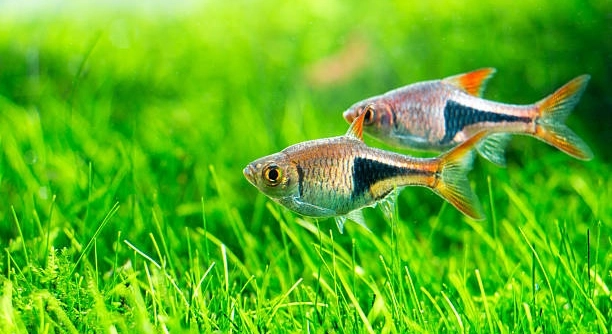
Tracking the preferences of rasboras can help create a better environment for these small, active fish. Understanding their likes and dislikes makes caring for them more effective and enjoyable. It also supports their health and well-being in home aquariums.
To track rasbora preferences, observe their behavior, feeding habits, and interactions with tank conditions. Regular monitoring of water parameters and offering varied diets helps identify what they respond to best for optimal care.
Knowing how to follow these preferences improves your ability to maintain a balanced aquarium that keeps rasboras comfortable and thriving over time.
Observing Rasbora Behavior in the Aquarium
Watching how rasboras behave in their environment gives valuable clues about their preferences. These fish tend to be active swimmers who enjoy having plenty of space to move. They often stay in groups, so keeping them in small schools helps reduce stress. Notice how they react to changes like new plants or decorations. If they hide frequently or seem restless, the tank setup might need adjustment. Feeding time is another opportunity to observe preferences. Rasboras may favor certain types of food over others, such as flakes, frozen, or live options. Regular observation helps identify patterns in their activity and comfort level. This can guide small changes that improve their daily lives. Being attentive to these behaviors creates a healthier tank environment where rasboras can flourish.
Consistent monitoring of their swimming patterns and group interactions helps gauge their comfort. Changes in behavior often signal preferences or issues needing attention.
Keeping a log of observations supports tracking preferences over time. It also assists in making informed decisions on tank adjustments and diet, ensuring rasboras remain content.
Maintaining Ideal Water Conditions
Stable water quality is essential for rasbora well-being. They thrive in clean, slightly acidic to neutral water, typically between 6.0 and 7.5 pH. Temperature should be steady, around 72-79°F (22-26°C). Frequent water testing helps catch fluctuations early. Use a reliable water test kit to measure ammonia, nitrite, nitrate, and pH levels regularly. Partial water changes, usually 20-30% weekly, keep the environment fresh. Avoid overcrowding, as too many fish can stress rasboras and degrade water quality quickly. A good filtration system also supports maintaining proper conditions. The substrate and plants contribute to water chemistry, so choose these carefully. Observing how rasboras respond to water changes is important. If they become lethargic or stop eating, water parameters might be off. Maintaining consistent water conditions plays a major role in their health and natural behavior.
Water quality and stability are key to supporting rasbora preferences and overall tank balance.
Feeding Preferences of Rasboras
Rasboras generally prefer small, easily digestible foods. They often respond well to flakes, micro-pellets, and live or frozen foods like daphnia or brine shrimp. Consistency and variety in feeding help maintain their interest and health.
Offering varied food types ensures they receive balanced nutrition. Feeding live or frozen foods occasionally can stimulate natural hunting behaviors and improve their vitality. Avoid overfeeding, as leftover food can pollute the tank and harm water quality. Feeding small amounts two to three times daily matches their natural grazing habits and supports steady energy levels. Noticing which foods your rasboras prefer can guide better feeding routines that suit their tastes and dietary needs.
Regularly adjusting the feeding schedule based on their activity and health helps keep rasboras engaged and nourished. This attention also reduces waste and maintains cleaner tank conditions.
Social Behavior and Tank Mates
Rasboras are social fish that thrive in groups of six or more. Keeping them in schools helps reduce stress and encourages natural behavior. Avoid housing them with aggressive species that might bully or intimidate them. Compatible tank mates include small, peaceful fish like tetras or danios. Observing interactions within the tank can highlight preferred companions and any signs of conflict. Ensuring a peaceful community tank supports rasbora well-being and helps maintain a stable environment. Introducing new fish slowly and monitoring behavior during acclimation is important to prevent stress. Tank mates influence rasbora comfort and activity levels, making careful selection essential.
Lighting Preferences of Rasboras
Rasboras prefer moderate lighting that mimics their natural habitat. Too bright lighting can cause stress and hiding behavior. Soft, diffused light encourages normal activity and feeding.
Using plants or decorations to create shaded areas helps rasboras feel secure. Adjusting light duration to about 8-10 hours daily supports their natural rhythms.
Choosing the Right Plants
Live plants improve water quality and offer hiding spots that rasboras appreciate. Popular choices include Java fern, Anubias, and floating plants. These plants create a natural environment and reduce stress.
Plants also provide surfaces for beneficial bacteria, contributing to a healthier tank ecosystem that supports rasbora preferences and growth.
Monitoring Health Signs
Regularly checking for changes in appearance or behavior helps detect health issues early. Look for color fading, clamped fins, or unusual swimming.
Prompt action based on observations maintains rasbora well-being and prevents potential problems from worsening.
FAQ
How often should I feed my rasboras?
Feeding rasboras two to three times a day with small portions works best. They have small stomachs and prefer grazing throughout the day. Avoid overfeeding to prevent leftover food from polluting the tank. Offer a mix of flakes, pellets, and occasional live or frozen food for balanced nutrition.
What water temperature do rasboras prefer?
Rasboras do well in water temperatures between 72°F and 79°F (22°C to 26°C). Maintaining a stable temperature within this range supports their metabolism and overall health. Sudden changes in temperature can stress them and cause illness.
Can rasboras live with other fish?
Yes, rasboras are peaceful and do well with other small, non-aggressive fish like tetras, danios, or small catfish. They should be kept in groups of six or more to feel secure. Avoid larger, aggressive species that might bully or harm them.
How important is water quality for rasboras?
Water quality is critical. Ammonia, nitrite, and nitrate levels must be monitored regularly. Weekly partial water changes of 20-30% help keep the tank clean and stable. Clean water reduces stress and prevents common diseases.
What kind of tank setup do rasboras prefer?
Rasboras prefer tanks with plenty of swimming space, plants for hiding, and moderate lighting. Soft substrates and natural decorations replicate their natural habitat. A well-filtered tank with stable conditions helps them thrive.
How do I know if my rasboras are healthy?
Healthy rasboras are active, swim smoothly, and have bright colors. Watch for signs of illness like faded colors, clamped fins, lethargy, or unusual swimming patterns. Early detection helps prevent serious health problems.
What foods are best for rasboras?
A varied diet is ideal. High-quality flakes or micro-pellets form the base, supplemented by live or frozen foods like brine shrimp, daphnia, or bloodworms. Variety encourages natural feeding behavior and better nutrition.
How much lighting do rasboras need?
Moderate lighting around 8-10 hours daily suits rasboras best. Too much light can stress them, while too little affects plant growth. Adding floating plants or shaded areas helps create a balanced environment.
Can I keep rasboras alone?
Rasboras are schooling fish and do not thrive alone. They need the company of at least five or six other rasboras to feel safe and show natural behavior. Isolated fish may become stressed and inactive.
How often should I test water parameters?
Testing water at least once a week is recommended. Regular checks for ammonia, nitrite, nitrate, and pH levels help catch issues early. Consistent monitoring supports timely maintenance and a healthy tank.
What are common health issues in rasboras?
Common problems include fin rot, ich, and stress-related illnesses. Poor water quality and improper tank mates often contribute. Maintaining good water conditions and a peaceful community reduces these risks.
How do I introduce new fish to a rasbora tank?
Introduce new fish slowly by quarantining them first. Gradually acclimate them to the tank’s water parameters to reduce stress. Monitor interactions closely to ensure all fish get along peacefully.
Can rasboras tolerate different pH levels?
Rasboras prefer a pH between 6.0 and 7.5. While they can tolerate slight fluctuations, large or sudden changes may stress them. Keeping pH stable helps maintain their health and behavior.
What is the best tank size for rasboras?
A minimum 20-gallon tank is suitable for a small school of rasboras. Larger tanks provide more swimming space and stable water conditions. Avoid overcrowding to reduce stress and maintain water quality.
Are rasboras sensitive to light changes?
Yes, sudden changes in lighting can cause stress. Gradual adjustments to lighting intensity and duration help them adapt. Using a timer can maintain consistent light cycles and promote their well-being.
Final Thoughts
Tracking the preferences of rasboras takes attention and patience, but it greatly benefits their care. These small fish show subtle signs in their behavior, diet, and environment that indicate what they need to thrive. By observing how they swim, feed, and interact with tank mates, you can adjust the aquarium conditions to better suit them. This careful approach reduces stress and helps maintain their health over time. Each rasbora may have slight differences in what it prefers, so taking note of these details is important for successful care.
Water quality remains a central factor in meeting rasbora preferences. Consistent testing and regular partial water changes keep harmful chemicals in check and support a stable habitat. Keeping temperature, pH, and cleanliness within the ideal range encourages natural behavior and reduces the chance of disease. Alongside water care, providing appropriate lighting and plants creates a comfortable environment that feels closer to their natural home. These elements contribute to a well-rounded habitat that supports both physical health and mental well-being.
Feeding routines and social settings also play key roles in satisfying rasbora needs. Offering a varied diet of flakes, pellets, and occasional live or frozen foods covers their nutritional requirements and keeps them interested in eating. Keeping rasboras in groups prevents loneliness and stress, allowing them to express natural schooling behavior. Selecting peaceful tank mates adds to a balanced aquarium where all fish coexist peacefully. Paying close attention to these preferences allows for an aquarium that not only looks good but also keeps rasboras happy and healthy for the long term.

Hello,
If you enjoy the content that we create, please consider saying a "Thank You!" by leaving a tip.
Every little bit helps us continue crafting quality advice that supports the health, happiness, and well-being of pets around the world, for pets of all shapes, sizes, and species.
We really appreciate the kindness and support that you show us!