
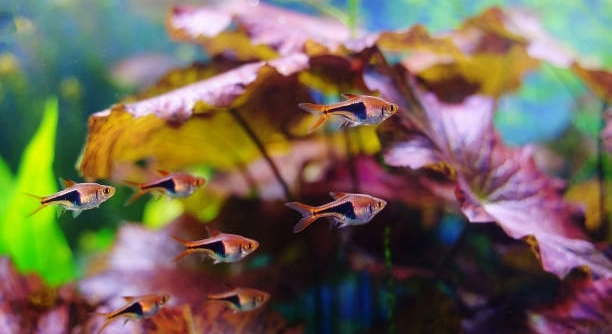
Observing natural rasbora patterns offers insight into their behavior and environment. Understanding these small fish can enhance your appreciation of aquatic life. This article outlines simple steps to help you recognize and record their natural activities clearly.
Careful observation of rasbora involves noting their movement, feeding habits, and interaction within their habitat. Consistent monitoring at different times of day provides accurate data to identify behavioral patterns in natural settings. Proper tools and patience are essential for reliable results.
Knowing how to observe these patterns supports better care and conservation efforts. The following steps will guide you through the process with clarity and ease.
Preparing Your Observation Space
Setting up a proper observation space is the first step to studying natural rasbora patterns effectively. Choose a quiet, stable location near their natural habitat or an aquarium that mimics their environment. Ensure the water quality matches their needs, including temperature, pH, and clarity, to avoid disturbing their natural behavior. Position yourself so you can watch without causing stress or sudden movements that might scare them. Use tools like a notebook or a digital device to record your observations. Lighting should be natural or soft, as harsh light can change fish behavior. Prepare for several short observation periods rather than one long session to get a well-rounded understanding of their activity throughout the day. Patience and consistency are key, as rasboras may hide or slow their movements if they sense danger. A calm and stable setting encourages more natural patterns to appear, giving you better data for your study.
Consistent and careful preparation improves the accuracy of your observations and helps build trust with the fish.
Setting your space thoughtfully reduces stress on the fish and ensures their natural behavior is visible. This foundation supports all following observation steps by allowing you to gather clear, reliable information without interference.
Identifying Key Behavior Patterns
Focus on specific behaviors such as schooling, feeding, and resting to understand rasbora activity.
Schooling is a vital social behavior where rasboras swim in groups for protection and coordination. Notice how tightly they swim together and how they respond to environmental changes or potential threats. Feeding behavior can show their preferences and activity peaks during the day. Resting periods, often in sheltered areas, reveal their comfort level and stress. Record the timing, duration, and frequency of these behaviors. Avoid making assumptions based on short observations; patterns emerge over time through repeated monitoring. Noting environmental factors like light, temperature, and presence of other species also helps explain changes in behavior. These detailed notes create a clearer picture of rasbora life in their habitat, helping with both scientific study and better aquarium care.
Observing these behaviors with patience offers valuable insight into rasbora social and survival strategies.
Recording Observations Accurately
Use a consistent method to note what you see. Choose tools like a notebook or app that suit your style.
Writing down specific details such as time, weather, and behavior helps build a reliable data set. Include notes on movement, feeding times, and group size. Avoid vague descriptions; be precise. Using simple sketches or photos can support written notes. Record observations immediately to ensure accuracy and avoid forgetting important details. This consistency allows for better comparison across different days or conditions.
Review your notes regularly to identify trends or changes in behavior. Organize data chronologically or by behavior type to make analysis easier. Over time, these records will reveal natural rhythms and help in understanding rasbora needs and responses.
Using Tools and Technology
Simple tools improve the quality of your observations and reduce guesswork.
A timer or stopwatch helps measure durations of behaviors accurately. Cameras or smartphones can capture quick movements or subtle actions that might be missed in real time. Apps designed for wildlife observation allow easy tagging and organizing of notes. Binoculars or magnifying glasses can provide clearer views without disturbing the fish. Consider a water testing kit to monitor environmental conditions regularly. These technologies add precision and depth to your study, making observations more detailed and verifiable.
Integrating tools with careful observation strengthens your data and supports informed decisions about habitat care or further research. Choosing the right tools depends on your setting, but even basic technology greatly enhances your ability to track natural rasbora behavior effectively.
Observing Without Interference
Maintain distance to avoid disturbing rasboras. Movement or noise can alter their natural behavior, so stay quiet and still.
Use indirect observation methods like watching from behind glass or using a camera with a zoom lens. This reduces stress and gives more accurate insights into their true patterns.
Noting Environmental Factors
Track changes in temperature, light, and water conditions. These factors directly affect rasbora behavior.
Monitoring these helps explain variations in activity and social interaction. Sudden changes might cause shifts in movement or feeding habits. Keeping records of environmental data alongside behavioral notes gives a fuller understanding of the fish’s natural rhythms.
Reviewing and Comparing Observations
Regularly review your notes to find consistent behaviors or new changes. Comparing data over days or weeks shows patterns and anomalies clearly.
Cross-reference behavior with environmental conditions to see cause and effect relationships. This step is essential for drawing accurate conclusions and planning further study or care adjustments.
FAQ
How long should I observe rasbora to identify their natural patterns?
Observing rasbora regularly over several weeks is ideal. Short sessions of 15 to 30 minutes multiple times a day help capture different behaviors. Patterns become clearer with consistent, repeated observation rather than one long session. This approach reduces stress on the fish and gives a better overall picture.
What tools do I need for effective observation?
A simple notebook or digital app is enough for note-taking. Adding a timer helps track behavior duration. A camera or smartphone is useful for capturing movements you might miss. Binoculars or magnifiers can improve distant views without disturbing the fish. A water testing kit is also helpful to track environmental conditions.
How can I tell if the rasbora is stressed during observation?
Signs of stress include rapid swimming, hiding for long periods, or erratic movements. Loss of color or lack of feeding can also indicate discomfort. If you notice these signs, reduce your presence or try observing from a greater distance. Stress affects behavior and can skew your data.
Can I observe rasbora in a home aquarium instead of the wild?
Yes, observing rasbora in an aquarium is practical and controlled. Make sure the tank mimics their natural habitat with proper plants, water quality, and space. While some natural behaviors appear, wild observations give deeper insight due to natural environmental factors and less human interference.
How do environmental factors influence rasbora behavior?
Temperature, light, and water quality affect activity levels, feeding times, and social interactions. For example, cooler temperatures may slow movement, while brighter light can cause hiding. Tracking these factors alongside behavior helps understand changes and adapt care accordingly.
What are common rasbora behaviors to watch for?
Key behaviors include schooling, feeding, resting, and territorial movements. Schooling shows social bonds and protection strategies. Feeding reveals diet preferences and timing. Resting indicates comfort levels. Territorial behavior might appear if space is limited or during breeding.
Is it necessary to record every observation session?
Recording every session is important for accuracy. Detailed notes allow you to spot trends or unusual changes. Without consistent records, it’s easy to miss important patterns or misunderstand behavior shifts caused by external factors.
How can I avoid disturbing rasbora during observation?
Stay still and quiet, avoid sudden movements, and observe from behind glass or using zoom cameras. Indirect observation reduces stress and shows more natural behaviors. Limiting observation time per session also helps keep the fish comfortable.
What should I do if I notice changes in behavior over time?
Changes may signal environmental shifts, health issues, or stress. Compare notes with water quality and other conditions to identify causes. If needed, adjust the habitat or consult experts. Behavioral changes often guide better care decisions.
Can observing rasbora behavior improve aquarium care?
Absolutely. Understanding natural patterns helps tailor feeding schedules, tank setup, and social groupings. Knowing when they rest or feed supports healthier routines. Observing behavior regularly prevents problems by catching stress signs early.
How detailed should my notes be?
Be precise but concise. Note time, behavior type, group size, environmental conditions, and any unusual activity. Use simple descriptions to avoid confusion later. Visual aids like sketches or photos can complement your writing.
What if my observations don’t show clear patterns?
Patterns take time to emerge. Keep observing consistently, varying times and conditions. If results remain unclear, review your methods or seek advice. Sometimes subtle behaviors need more patience and experience to interpret.
Observing natural rasbora patterns requires patience, consistency, and careful attention to detail. It is not something that happens quickly, but with regular observation, a clearer understanding develops over time. Each small note and recorded behavior adds to the bigger picture of how these fish live and interact in their environment. The process helps connect observation with practical knowledge, which can improve both care in captivity and appreciation of their natural life. Taking the time to observe without rushing allows for more accurate and useful information.
The environment plays a significant role in shaping rasbora behavior. Factors like water temperature, lighting, and tank conditions all influence how they act. Watching for changes in behavior alongside environmental shifts provides important clues about their well-being. It is important to create or maintain conditions that closely resemble their natural habitat. This respect for their needs helps keep the fish healthy and comfortable. Observations made in the right environment tend to be more reliable and reveal authentic patterns.
Recording observations carefully is just as important as watching the fish. Notes should be clear, detailed, and consistent. Over time, reviewing these records helps identify trends and changes that may otherwise go unnoticed. Using simple tools and methods makes this process easier and more effective. The goal is to gather useful information without causing stress to the rasbora. Through mindful observation and thoughtful recording, a better understanding of natural rasbora behavior can be achieved, benefiting both hobbyists and researchers alike.

Hello,
If you enjoy the content that we create, please consider saying a "Thank You!" by leaving a tip.
Every little bit helps us continue crafting quality advice that supports the health, happiness, and well-being of pets around the world, for pets of all shapes, sizes, and species.
We really appreciate the kindness and support that you show us!