
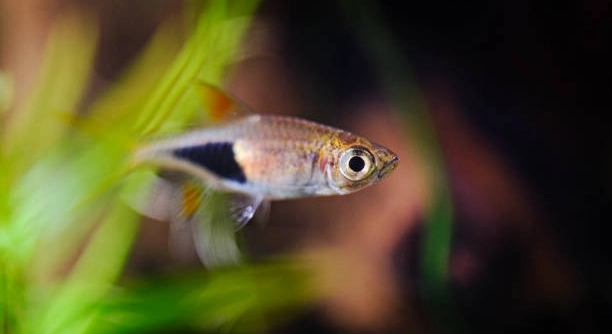
Have you ever watched your rasboras swimming together and wondered if there’s more to their group behavior than meets the eye?
Rasboras follow a clear social hierarchy based on dominance, size, and behavior. This order influences feeding, territory, and group movement. Understanding their structure helps aquarists maintain healthier tanks and supports the fish’s natural instincts and comfort.
From subtle gestures to bold displays, each rasbora plays a unique role within its shoal that shapes the group dynamic.
Recognizing the Alpha Rasbora
In any rasbora shoal, one fish usually takes on the role of the leader. This dominant rasbora is often the largest or boldest in the group. It swims at the front, decides direction, and influences feeding order. Other rasboras naturally follow its lead without any aggressive interactions. You might notice the alpha fish chasing others gently or always reaching food first. These small actions show its role. The alpha isn’t always aggressive, but it does assert control in subtle ways. Watching their movement closely can help you identify which fish has taken on this position. Tank layout also plays a role—open space allows the dominant rasbora to move freely and establish its place. If you’re trying to support a healthy social structure, give them room to display natural behaviors and avoid overcrowding. Balance in numbers helps prevent stress and reduces unnecessary competition within the group.
The alpha’s behavior helps organize the group and reduces chaos during feeding or movement.
Maintaining a consistent environment helps the dominant rasbora stay confident. Sudden changes may confuse the group or shift their order.
How Rasboras Communicate Hierarchy
Rasboras use gentle fin flicks, spacing, and body angles to maintain their structure. They rarely nip or show open aggression, unlike some other species.
These fish rely heavily on body language and positioning. A higher-ranking rasbora may swim just slightly ahead or push another aside during feeding. Others respond by yielding space rather than resisting. Fin flicks, though subtle, are part of their language—short flicks often show calm status, while repeated flicks signal mild warnings or reminders of rank. You may also see them form loose lines or circles, with the more dominant fish near the center or leading edge. This pattern helps maintain safety and reduces stress. When a dominant rasbora is removed or becomes ill, the group may show disorganized behavior until a new order forms. Watching for these signs helps you understand how peaceful yet structured their shoal can be. A calm tank allows these social cues to thrive. Keep lighting, temperature, and tank mates consistent to avoid confusion. Rasboras thrive in stability, and their structure stays strongest when they’re not under pressure.
Feeding Behavior and Social Rank
Higher-ranking rasboras often get to the food first. They swim confidently to the surface or feeding zone, while lower-ranking fish wait or approach more cautiously.
You might notice that the same rasboras always eat first, no matter where the food lands. This isn’t by chance. Their confidence and speed reflect their status in the group. The rest follow once the higher-ranked fish have started eating. If food is limited or the group is too large, lower-ranking rasboras may not eat enough. To help, spread the food across the tank to give everyone a fair chance. This reduces tension and keeps the group healthy. Understanding these feeding patterns also helps you monitor individual fish and spot changes in behavior or health.
Feeding is a great way to observe social behavior. If a typically dominant rasbora avoids food, it could signal illness, injury, or a shift in social rank.
Shoaling vs. Schooling
Rasboras shoal for safety and comfort, not always moving in tight synchrony. Shoaling lets them stay close without strict formation, while schooling means moving as one.
In peaceful tanks, rasboras usually shoal, forming loose, relaxed groups. They only switch to schooling when stressed or sensing danger. This shift is instinctive and can happen suddenly if they notice fast movement or shadows. Shoaling allows each fish to keep its preferred space while staying close enough to feel secure. It’s during these moments you can best observe their natural roles—leaders guide direction, while others follow or adjust. Shoaling also helps reduce fights, especially in tanks with stable groups. If they are constantly schooling, it may mean the tank is too noisy or there are stress factors like aggressive tank mates. Watch their spacing and flow—calm shoaling suggests a balanced group, while constant schooling means it’s time to check for sources of stress.
Gender Roles in Group Dynamics
Male rasboras often display brighter colors and more active behavior. During breeding periods, they may chase others, especially females, but this doesn’t always reflect dominance—it’s more related to courtship than social order.
Female rasboras tend to be calmer and slightly larger when carrying eggs. They usually keep to the middle or back of the group, avoiding direct competition. Their behavior helps balance the group dynamic.
Adapting to New Group Members
When new rasboras are added to the tank, the social order may shift temporarily. Existing members often show mild chasing or spacing changes as they re-establish roles. This usually settles within a few days if the tank is not overcrowded. Watching closely during this time helps prevent stress or injury. Adding at least three new rasboras at once can reduce individual targeting. Use hiding spots and plants to help newcomers feel secure and adjust safely.
Signs of Stress in the Group
Rapid schooling, clamped fins, or hiding are signs your rasboras may be stressed. These behaviors often point to an unstable social structure or poor tank conditions.
How can I tell if my rasboras have established a social order?
Rasboras that have settled into a social hierarchy usually show calm, organized behavior. You’ll notice one or two fish leading the group during swimming or feeding. These leaders swim confidently at the front, while others follow at a steady distance. Aggressive chasing or constant squabbling is rare once order is set. The fish will also take turns approaching food, with dominant ones eating first but without causing panic. If your rasboras seem peaceful and move as a group with clear roles, their social order is likely stable.
What should I do if there is constant fighting in my rasbora tank?
Persistent fighting indicates stress or an overcrowded tank. First, check the tank size and the number of fish. Rasboras need enough space to swim freely and avoid conflict. Overcrowding forces competition over food and territory. Adding plants or decorations can provide hiding spots, helping fish escape aggressive encounters. If fighting continues, consider separating the most aggressive individuals or removing any that are injured. Maintaining stable water conditions and consistent feeding routines also reduces stress, which helps lower aggression. Sometimes, simply adjusting lighting or tank mates improves harmony.
Does tank size affect the social order of rasboras?
Yes, tank size plays a crucial role. A cramped tank limits movement and increases stress, which can disrupt social order. Rasboras need space to swim in groups and establish their roles naturally. Smaller tanks force them into close proximity, causing frequent competition and anxiety. Larger tanks allow dominant fish to claim areas without constant conflict and enable lower-ranking fish to retreat when needed. For a healthy shoal of rasboras, it’s recommended to provide at least 20 gallons with enough hiding places and open swimming areas.
How do I introduce new rasboras without disturbing the existing social order?
Introducing new rasboras can be tricky because it temporarily unsettles the group. To minimize disruption, add at least three new fish at once rather than one. This spreads out attention and reduces bullying. Place new arrivals in a separate quarantine or acclimation tank inside the main tank for a few days. This allows the current group to see the newcomers without direct contact. Adding plants or decorations as barriers can also help the new fish feel safe. Keep the environment calm and avoid sudden changes during this period.
Can illness affect the social order in a rasbora group?
Illness often weakens a fish’s behavior, making it less active or slow to feed. This change can affect its rank in the social hierarchy. Dominant fish that become sick may lose their position to others. The group might appear unsettled as roles shift. Watch for symptoms like faded color, clamped fins, or isolation. Prompt treatment helps restore health and stability. Keeping water clean and feeding a balanced diet reduces the risk of disease, supporting a stable social environment.
What role do plants and decorations play in rasbora social behavior?
Plants and decorations offer shelter and break lines of sight, which helps reduce conflict. They provide hiding spots for lower-ranking or shy fish to escape dominant individuals. This supports a more peaceful group and lowers stress. Natural plants also improve water quality, indirectly benefiting social behavior. Too few hiding places can increase tension and aggression. Balancing open swimming areas with planted zones encourages natural interactions and comfort.
Is it necessary to keep rasboras in groups to maintain social order?
Yes, rasboras are schooling fish and rely on group interactions for their social structure. A group of at least six is recommended to allow natural behaviors and clear hierarchy to form. Smaller groups may lead to stress and abnormal behaviors like hiding or aggression. Larger groups provide stability and safety. Without a proper group, rasboras may become lonely or disoriented, which can harm their health.
How can I tell if a rasbora has changed its rank in the social order?
Changes in rank often show as shifts in behavior. A previously dominant fish may swim less confidently or lose access to food. Lower-ranking fish may start showing more assertive movements or move to new positions in the group. Watch feeding patterns and swimming order closely. Changes might also be subtle, like different spacing or fin flicks. If you notice a fish suddenly acting differently, it may be adjusting to a new role. These shifts are normal but should settle after a short period.
Understanding the social order of rasboras helps create a healthier and more peaceful aquarium environment. These small fish naturally form groups with clear roles based on size, behavior, and confidence. Recognizing which fish lead and which follow can guide how you manage feeding, tank space, and additions to the group. Observing their subtle interactions, like who eats first or how they swim together, offers insight into their social structure. This knowledge allows you to provide better care and reduce stress within the tank.
Maintaining stable water conditions and a well-organized tank is key to supporting rasbora social order. Overcrowding and sudden changes can disrupt their natural behavior and cause aggression or anxiety. Providing enough space, hiding spots, and consistent feeding routines helps the group stay balanced. When new fish are introduced, patience is important as the hierarchy adjusts. Allowing plants and decorations to create shelter also supports peaceful coexistence by giving lower-ranking fish places to retreat. A calm, steady environment encourages healthy social interactions.
Paying attention to your rasboras’ behavior helps detect early signs of stress or illness, which can affect the social order. Changes like excessive schooling, hiding, or loss of appetite signal problems that may need addressing. Acting quickly to maintain water quality and proper diet supports their overall health and group stability. Understanding rasbora social order is not just about watching fish swim—it’s about creating a balanced habitat where they thrive together. This balance ultimately leads to a more enjoyable and successful aquarium experience.

Hello,
If you enjoy the content that we create, please consider saying a "Thank You!" by leaving a tip.
Every little bit helps us continue crafting quality advice that supports the health, happiness, and well-being of pets around the world, for pets of all shapes, sizes, and species.
We really appreciate the kindness and support that you show us!