
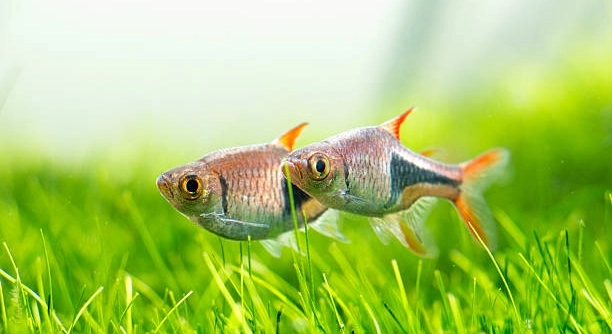
Have you ever spent time watching your Rasboras and noticed how they seem to respond to the same shapes or motions?
Rasboras are capable of recognizing consistent patterns in their environment. This ability helps them navigate their surroundings, avoid predators, and interact with other fish. Pattern recognition plays a key role in their survival and behavior.
Understanding how pattern recognition works in Rasboras reveals more about their intelligence and daily interactions in a tank or natural setting.
How Rasboras Use Patterns in Their Environment
Rasboras rely on patterns to help them feel safe and secure. These patterns might include the regular movement of other fish, specific lighting conditions, or repeated feeding routines. When they notice consistency, they are less likely to act stressed or hide. Pattern recognition helps them find shelter and stay out of danger. In a well-maintained aquarium, Rasboras quickly learn when feeding time happens and which areas are safe to swim. They may even react to your presence if they associate you with food. This recognition is not just random behavior—it’s learned through repetition. Their environment shapes how they respond over time. Visual cues, like tank decor or swimming patterns of other fish, also influence their sense of comfort. If something changes too often, it can confuse or scare them. Maintaining familiar patterns can lead to better behavior, fewer health issues, and more active swimming.
Rasboras are small, but they rely on stable patterns to make sense of their surroundings.
In tanks with consistent routines, Rasboras often become more interactive. They swim more freely and show signs of trust in their environment. If their patterns are broken—like changing lights or sudden tank movement—they may hide or become less active.
What Science Says About Rasbora Behavior
Rasboras learn by observing repeated signals around them.
Studies on fish cognition show that Rasboras, like many small schooling fish, are capable of recognizing visual and spatial patterns. In controlled tank environments, researchers found that Rasboras responded positively to regular feeding schedules and stable lighting. When exposed to consistent visual shapes or motion, they adapted their swimming behavior and showed reduced stress. This behavior was not random—it was learned through observation and memory. Fish in these studies used visual markers to orient themselves and find food more efficiently. If the setup changed too often, their behavior shifted, showing signs of confusion or caution. While they don’t analyze patterns the way humans do, their ability to respond to familiar cues is strong. This helps them avoid threats, find shelter, and interact with others in their group. Aquarium keepers often notice this in home tanks when Rasboras follow set routines. Their awareness of pattern shifts is a useful sign of their intelligence.
How Routine Affects Rasbora Behavior
Rasboras thrive in tanks with predictable routines. When their environment remains steady, they become more confident and active. Changes in lighting, feeding times, or water conditions can cause stress, leading to hiding, poor eating, or erratic swimming. Consistency helps them feel safe.
In a stable setting, Rasboras quickly learn to anticipate feeding times and may gather in a specific spot when food is near. They also adjust to light schedules, becoming more visible during certain parts of the day. When kept on a reliable routine, they’re less likely to show signs of stress or illness. Sudden changes—like moving decorations or shifting tank mates—can disrupt their sense of security. If routines break down too often, Rasboras may lose trust in their environment, becoming more withdrawn. For long-term health, it’s best to maintain clear patterns in care and tank setup. Their behavior will reflect their comfort with consistency.
Long-term exposure to stable routines can improve Rasbora health and tank behavior. Over time, they learn not only feeding patterns but also associate certain visual cues with safety. This leads to stronger social behaviors within the group, like synchronized swimming and group resting. A consistent tank helps reduce aggression and improve overall activity.
Recognizing Changes in Pattern Response
Rasboras show noticeable changes when regular patterns are disrupted. A normally active school might start hiding, swimming less, or showing color fading. These changes often mean something in their routine has shifted.
When their environment becomes unpredictable, Rasboras react with caution. This can include refusing food or isolating themselves from the group. For example, changing their light cycle too often can confuse their internal rhythm. Removing or adding tank decorations also affects their behavior—they may become territorial or anxious. Consistency in tank layout and routine helps them feel grounded. Observing their swimming and eating habits over time can help you spot signs of pattern disruption. If they stop responding to your presence or ignore feeding times, it may be time to review their care routine. Recognizing these signals early on allows you to adjust their environment before health or social issues develop.
Why Pattern Recognition Matters in Groups
Rasboras are schooling fish, and they use pattern recognition to stay in sync with the group. When one fish responds to a known signal, the others follow, creating coordinated movement and reducing the risk of separation or stress.
Inconsistent patterns can disrupt group behavior. When routine signals are missing or unfamiliar, Rasboras may scatter or act independently. This can lead to confusion and even cause some fish to isolate themselves from the group. Keeping patterns steady supports their natural schooling instincts.
How to Support Pattern Recognition in Your Tank
Use consistent feeding times, lighting schedules, and tank decorations to help Rasboras feel safe. Try feeding at the same time daily and keeping tank items in place. Limit unnecessary changes. If you must adjust something, do it gradually so they have time to adapt. Watching their behavior closely can help you understand what changes affect them most. Even something as simple as standing near the tank at the same time each day can help Rasboras associate your presence with safety. Over time, they will begin to show more relaxed and responsive behavior when they feel familiar signals.
Final Thoughts on Observing Behavior
Noticing how Rasboras react to routine helps build a better care plan. Small changes in their behavior often reflect bigger issues in the tank.
FAQ
Do Rasboras recognize their owner?
Rasboras don’t recognize faces the way humans do, but they can associate your presence with routine actions. For example, if you feed them at the same time daily, they may swim to the front of the tank when they see you. This behavior shows they’ve learned to connect your appearance with food. They might not know you personally, but they recognize patterns linked to your actions. Consistency is important—changing routines can break this association. If you skip feedings or approach the tank unpredictably, Rasboras may become shy or hesitant again.
Can Rasboras become stressed by changes in pattern?
Yes, Rasboras are sensitive to changes in their environment, especially when those changes affect patterns they rely on. This includes feeding times, light cycles, tank layout, and social structure. When familiar patterns are disrupted, Rasboras may react by hiding, swimming less, or becoming more aggressive. Even small shifts—like changing a decoration or moving the tank—can cause noticeable changes in their behavior. Gradual changes are less stressful than sudden ones. Maintaining a steady routine helps them feel secure and improves their overall well-being.
What signs show that a Rasbora feels safe in its tank?
When Rasboras feel secure, they swim freely and stay with their group. They eat regularly, respond to feeding cues, and show bright coloring. You’ll often see them exploring the tank, staying active during the day, and returning to resting areas in the evening. A relaxed Rasbora will avoid erratic movement or hiding for long periods. When something is wrong, their behavior changes quickly—reduced appetite, dull color, or separation from the group are early signs of discomfort. Keeping routines consistent is key to maintaining their comfort and health.
How do Rasboras use pattern recognition in schools?
In a school, Rasboras follow the movements and signals of others. This helps them stay together and avoid danger. They recognize swimming rhythms, spacing, and even the direction of motion. If one fish changes direction due to a perceived threat or change in the environment, others often follow. These reactions rely on familiar signals developed over time in stable settings. If schooling behavior becomes disorganized, it may suggest changes in tank conditions or stress. Keeping their environment predictable helps maintain their natural group coordination.
Can you train Rasboras to respond to feeding patterns?
Yes, Rasboras can be conditioned to respond to feeding routines. By feeding them at the same time and place every day, they begin to anticipate food and may gather in a specific area of the tank. Some keepers use tapping on the tank or standing nearby as a signal. The key is repetition. If you change feeding times often or overfeed, they may lose this pattern. Short, regular feeding sessions work best. This simple form of training supports mental stimulation and adds predictability to their day.
What happens if Rasboras are kept in an unpredictable tank?
Unpredictability causes stress. Rasboras may lose color, stop eating, or separate from the group. Sudden changes in temperature, lighting, or decor disrupt their sense of routine. Over time, this can lead to weakened immune systems and increased aggression. In tanks where patterns are respected, Rasboras behave calmly and appear more vibrant. Avoid making too many changes at once. If changes are needed—like switching lighting or adding new fish—introduce them slowly and monitor behavior closely.
How long does it take Rasboras to learn a routine?
Rasboras can start responding to new patterns within a few days, especially if those patterns involve food. Feeding is the easiest behavior to associate with routine. Other patterns, like reacting to light cycles or movement near the tank, take longer—usually a few weeks of repetition. Once they adjust, they become more responsive and relaxed. If the routine is broken, it may take time for them to readjust. Being patient and consistent helps reinforce the patterns they need to feel secure.
Final Thoughts
Rasboras are small, peaceful fish, but their behavior shows they are more aware than people often assume. They rely on patterns in their environment to feel safe and act naturally. When a tank follows a steady routine, Rasboras respond with calmer movements, regular feeding, and strong group behavior. They recognize when something is predictable and use that information to guide their actions. From light cycles to feeding times, every part of their day shapes how they respond to the space around them. If changes happen too often or without warning, these fish may become stressed or withdrawn. That’s why keeping things consistent is one of the best ways to support their well-being.
Recognizing patterns is also part of how Rasboras bond with each other. In groups, they depend on visual and motion cues to stay together. This schooling behavior is based on shared signals and rhythm. When these cues are clear and familiar, the fish move as one and avoid confusion. Watching them swim in sync can be a sign that your tank setup is working well. On the other hand, if you notice odd or scattered behavior, it might be a sign that something has changed. Tracking these shifts can help you catch issues early, whether it’s stress, water conditions, or disrupted routines. It’s not just about knowing what to look for—it’s about noticing when something feels different.
Caring for Rasboras means understanding that even the smallest change can affect them. Moving a plant, changing lights, or skipping a feeding may seem simple, but it can cause stress for these fish. They build trust in their environment through steady routines and familiar signals. As a keeper, offering a stable setting is part of keeping them healthy. It doesn’t mean you can’t make adjustments—it just means changes should happen slowly. Over time, you’ll begin to see how much your care and consistency matter. A calm, patterned tank leads to active, colorful fish that move confidently and stay connected to the group. Watching those patterns form and hold over time can be a rewarding part of keeping Rasboras.

Hello,
If you enjoy the content that we create, please consider saying a "Thank You!" by leaving a tip.
Every little bit helps us continue crafting quality advice that supports the health, happiness, and well-being of pets around the world, for pets of all shapes, sizes, and species.
We really appreciate the kindness and support that you show us!