
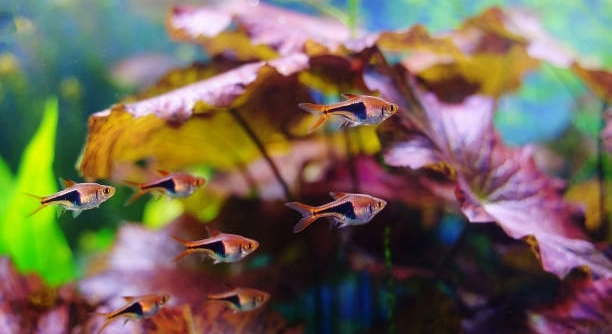
Rasboras are small, peaceful fish often kept in home aquariums. Their behavior can be quite sensitive to changes in their environment. Understanding how they react to different stimuli helps keep them healthy and comfortable.
Rasboras can indeed be startled by vibrations. Sudden movements or vibrations in the water cause a stress response, making them swim quickly or hide. This reaction is a natural defense mechanism to potential threats in their surroundings.
Learning about their sensitivity to vibrations will help you create a calmer tank environment. This knowledge supports better care and a happier life for your rasboras.
How Vibrations Affect Rasbora Behavior
Rasboras are quite sensitive to vibrations in their environment. These tiny fish rely heavily on their senses to detect danger, and vibrations are a key signal for them. When they feel vibrations, their natural instinct is to react quickly. This might mean darting to the bottom of the tank or swimming away from the source. In a home aquarium, common causes of vibrations include tapping on the glass, moving the tank, or nearby loud noises. Even routine activities like cleaning the tank or adjusting decorations can create vibrations that unsettle them. Over time, constant vibrations can lead to stress, which affects their health. Stress weakens their immune system and makes them more prone to illness. To keep rasboras calm, it’s important to reduce sudden movements near the tank and avoid tapping on the glass. A stable environment helps them feel safe and behave naturally.
Vibrations can lead to noticeable changes in rasbora behavior, including increased hiding and reduced activity.
Understanding how vibrations impact rasboras helps in maintaining a peaceful aquarium. Keeping the tank area quiet and stable minimizes stress and encourages natural behavior. Observing their reactions to different vibrations can also guide better tank placement and care routines.
Creating a Calm Environment for Rasboras
Minimizing vibrations is essential for a healthy tank. Avoid placing the aquarium near heavy foot traffic or loud appliances, as these can cause constant disturbances.
Choosing a quiet, low-traffic area for your tank will significantly reduce the frequency and intensity of vibrations. Soft padding under the tank stand can help absorb minor shocks from nearby movements. Additionally, being mindful when performing tank maintenance by moving slowly and gently reduces sudden vibrations. Using equipment that operates quietly also contributes to a calmer environment. Lighting and water flow should be adjusted so they do not create unnecessary disturbances. A stable, vibration-free space allows rasboras to exhibit natural behaviors like schooling and exploring without fear. It also reduces the chances of stress-related health problems. Taking these steps shows care and attention to their needs, improving their overall well-being. A calm environment leads to happier and more active rasboras.
Signs That Rasboras Are Startled by Vibrations
Rasboras show clear signs when startled by vibrations. They may suddenly dart around the tank or hide behind plants. Their fins might flare, and schooling behavior can become more intense as a defense.
When vibrations occur, rasboras often respond quickly by swimming erratically or seeking shelter. This sudden movement is a survival instinct triggered by perceived threats. If vibrations happen frequently, fish may appear nervous or stressed, avoiding open spaces. Their usual calm swimming can turn into rapid, jerky motions. Watching for these signs helps identify when vibrations are causing discomfort. It’s important to observe your fish regularly to catch these behavioral changes early and adjust the environment accordingly. Preventing stress keeps them healthier and more active.
Stress from vibrations can also affect feeding habits. Startled rasboras may eat less or refuse food temporarily. Long-term stress weakens their immune system, making them vulnerable to disease. Providing hiding spots like plants and decorations can help rasboras feel secure during disturbances.
How to Reduce Vibrations in Your Aquarium Setup
Place your aquarium on a stable, solid surface to minimize vibrations. Avoid placing it on floors that shake or near doors and windows that open frequently.
Using foam or rubber mats under the tank stand helps absorb shocks and vibrations. Make sure all equipment, like filters and air pumps, is properly secured and operates quietly to prevent added noise and movement. Avoid tapping on the glass, as this causes sudden vibrations that stress the fish. Positioning the tank away from high-traffic areas reduces disturbances from footfalls or loud sounds. Additionally, maintaining a consistent routine for feeding and cleaning creates a calm environment. These simple changes help create a peaceful home where rasboras can thrive without constant stress from vibrations.
Common Sources of Vibrations in the Home
Household appliances like washing machines and vacuum cleaners often create vibrations that can travel through floors and walls. Loud footsteps or doors slamming near the tank can also disturb rasboras.
Even subtle movements, like walking near the tank or adjusting nearby furniture, produce vibrations. These everyday actions can unsettle sensitive fish if they happen frequently.
Monitoring Your Rasbora’s Reaction Over Time
Regular observation of your rasboras helps track their response to vibrations. Noticing changes in swimming patterns or behavior signals when adjustments are needed in the tank environment.
Keeping a simple log of when your fish seem startled can identify specific causes of vibration. This data helps in making targeted changes to reduce stress and improve their comfort.
Equipment Tips to Lower Vibrations
Using low-vibration pumps and filters reduces noise and movement in the aquarium. Choosing quieter models and properly securing equipment lowers disturbances for rasboras.
Importance of Consistency in the Aquarium Environment
Keeping a steady routine for feeding and maintenance helps rasboras feel safe. Sudden changes or irregular activity near the tank can increase their stress levels.
FAQ
Can vibrations harm my rasboras?
Vibrations themselves usually don’t cause physical harm, but they can stress rasboras. Stress weakens their immune system and can lead to illness over time. If your fish show constant signs of distress like hiding, erratic swimming, or loss of appetite, vibrations might be a contributing factor.
How can I tell if my rasboras are stressed by vibrations?
Look for sudden changes in behavior. Rasboras startled by vibrations often swim quickly, hide more than usual, or group tightly together. They might stop eating or appear lethargic after repeated disturbances. Observing these signs early can help you reduce stress by adjusting their environment.
Are all rasboras equally sensitive to vibrations?
Not all rasboras react the same way. Some species or individual fish may be more sensitive due to temperament or past experiences. However, as a general rule, rasboras are cautious fish and can be disturbed by strong or frequent vibrations.
What common household activities create vibrations that affect rasboras?
Activities like vacuuming, walking heavily near the tank, slamming doors, or using washing machines can create vibrations. Even loud music or TV sounds might cause minor disturbances. Minimizing these activities close to the aquarium helps reduce stress on your fish.
Can tank equipment cause vibrations?
Yes. Filters, air pumps, and heaters that aren’t securely placed or are noisy can create continuous vibrations. Choosing quiet, low-vibration equipment and placing it on soft mats or using clamps can reduce these effects.
Will adding plants or decorations help reduce the impact of vibrations?
Yes, plants and decorations provide hiding spots where rasboras can feel safer. They also break up the water flow, which can lessen the intensity of vibrations. A well-planted tank helps fish manage stress from external disturbances.
Should I tap the glass if I want to get my rasbora’s attention?
It’s best to avoid tapping the glass. This sudden vibration startles the fish and increases stress. Instead, try feeding routines or gentle hand movements outside the tank to encourage interaction without causing fear.
How often should I check for signs of stress caused by vibrations?
Daily observation is ideal. Watching your rasboras during feeding and quiet moments can give clues about their well-being. Regular checks help catch early signs of stress so you can make necessary changes quickly.
What is the best way to place an aquarium to avoid vibrations?
Place your tank on a sturdy, level surface away from doors, windows, or heavy foot traffic. Avoid areas near appliances that create vibrations. Using foam padding under the stand can absorb minor shocks, making the tank environment more stable.
Can sudden loud noises outside the tank also startle rasboras?
Yes, loud noises cause vibrations in the water and can frighten the fish. They respond by darting or hiding. Keeping the tank in a quieter area reduces these disturbances and supports calmer behavior.
Is there a way to train rasboras to ignore vibrations?
Rasboras rely on natural instincts, so they cannot be trained like pets to ignore vibrations. However, consistent, gentle care and a stable environment reduce their stress over time, making them less reactive to minor disturbances.
How does stress from vibrations affect rasboras’ health?
Stress lowers their immune response, making them prone to infections and disease. It can also affect growth and reproduction. Maintaining a calm environment reduces these risks and supports long-term health.
What should I do if my rasboras seem constantly stressed?
First, review their environment for vibration sources and reduce or remove them. Add plenty of hiding places and ensure equipment is quiet and secure. If stress continues, check water quality and consider consulting a fish health expert.
Can other fish in the tank be affected by vibrations the same way?
Yes, many fish species are sensitive to vibrations. Rasboras are particularly responsive, but tank mates may also show stress. A peaceful, low-vibration environment benefits all aquatic life in the tank.
Are there any tools or devices to measure vibrations in the aquarium?
Some hobbyists use sensitive vibration meters or apps to detect vibrations. These tools help identify hidden sources like structural vibrations or equipment issues. While not necessary for all, they can be useful for persistent problems.
How do vibrations differ from water movement caused by filters or air stones?
Filters and air stones create gentle, consistent water movement that fish get used to. Vibrations from external sources are sudden, irregular, and often stronger, triggering a stress response. Proper equipment setup keeps water flow stable without causing fear.
Rasboras are sensitive fish that react to their surroundings in many ways, including vibrations. Understanding how these small fish respond to vibrations helps create a better environment for them. Vibrations in the water or the tank can startle rasboras, causing them to swim quickly or hide. This reaction is natural and part of their defense system, but too much stress from vibrations can harm their health. It is important to reduce sudden movements and noise near the aquarium to keep these fish calm and comfortable. When rasboras feel safe, they show more natural behaviors like swimming peacefully and schooling together.
Creating a calm environment is key to caring for rasboras. This means placing the aquarium in a quiet, stable spot away from heavy foot traffic, loud appliances, and doors that slam. Using soft padding under the tank stand can absorb small shocks and reduce vibrations. It is also helpful to use quiet equipment such as filters and air pumps to avoid unnecessary noise and movement. Adding plants and decorations inside the tank offers hiding places, which help rasboras feel secure when vibrations happen. These simple steps lower their stress levels and support their overall well-being.
Regular observation of your fish is important to notice any signs of stress caused by vibrations. Watching how your rasboras swim, eat, and interact with each other helps you understand when they are uncomfortable. If you see changes like hiding often, darting around, or refusing food, vibrations might be the reason. Taking action to reduce these disturbances improves their health and happiness. In the end, a calm, stable aquarium environment benefits both the fish and the owner by creating a peaceful, enjoyable space to watch and care for your rasboras.

Hello,
If you enjoy the content that we create, please consider saying a "Thank You!" by leaving a tip.
Every little bit helps us continue crafting quality advice that supports the health, happiness, and well-being of pets around the world, for pets of all shapes, sizes, and species.
We really appreciate the kindness and support that you show us!