
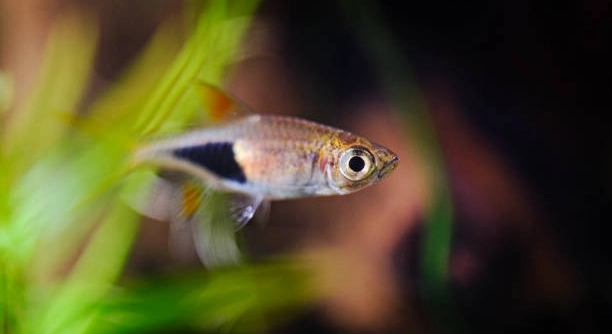
Do your rasboras often swim in new corners of their tank, leaving you unsure if they’re just curious or something’s wrong?
When rasboras explore, they are usually showing natural curiosity, seeking food, or reacting to environmental changes such as lighting, temperature, or water quality. Regular activity is normal, but sudden or erratic movement may signal stress.
Rasboras are lively fish, and their movements can reveal a lot about their health, environment, and social habits within the tank.
Common Reasons Rasboras Roam the Tank
Rasboras are active fish, and it’s normal for them to swim around exploring their space. However, when their behavior changes or becomes constant pacing, it’s worth paying attention. Most of the time, this movement is linked to basic environmental needs. A shift in water temperature, low oxygen, or a change in lighting can influence their activity. They may also be looking for food or checking out a new tank mate. If your rasboras are recently introduced to a tank or have new decorations, their exploration can be a way of getting used to their environment. It’s also a part of how they interact with each other—especially in groups. You may notice them swimming in sync, which is normal schooling behavior. But if a rasbora is constantly darting or swimming alone, it could signal that something isn’t right in the tank.
Small changes in their routine often point to small changes in their surroundings.
Keeping a calm, stable environment is key. Frequent water changes, proper tank cycling, and gentle lighting help rasboras feel more secure. Check the water parameters weekly to make sure nothing has shifted. A quiet setup without sudden movement or loud noises nearby also keeps them at ease. Watching them regularly makes it easier to catch anything off.
When Movement Suggests Stress
Erratic movement, isolation, or surface swimming can be early signs that something is off in your tank.
Stress in rasboras is often linked to water quality, temperature swings, or lack of hiding spots. Poor tank conditions are a common reason they act differently. Start by checking ammonia, nitrite, and nitrate levels. These should always remain within safe ranges. A consistent water temperature between 72–78°F is best. If rasboras lack cover or feel threatened, they may swim constantly or hide for long periods. Use plants, rocks, or soft decorations to give them spaces to rest. Also, tank mates matter—aggressive fish can cause stress. If rasboras seem skittish or constantly flee, look into who they’re sharing space with. It helps to feed them at the same time daily and keep lights on a routine. Sudden noise, tapping, or overcrowding can also affect them. Regular observation and small changes will help your rasboras feel safe and act naturally again.
Signs of Healthy Exploration
Rasboras that swim together in small groups, explore calmly, and return to the same areas show signs of normal behavior. They should appear relaxed, have a smooth swimming pattern, and show interest in food and their environment without showing signs of panic or hiding too often.
Their colors should be vibrant, and their fins fully open as they move. A healthy rasbora will often pause to rest near plants or gently glide across the tank. You may also notice them occasionally interacting with each other or staying near mid-tank levels. Their schooling behavior helps reduce stress and encourages balanced movement. Look for consistency. If they explore the same spots every day or follow their tank mates with ease, they are likely comfortable. Variation in swimming is fine, but the absence of darting or crashing into glass shows they are adapting well to their surroundings.
Even during feeding time, healthy rasboras remain calm and focused. They will swim upward or toward the feeding area, then quickly return to their usual zone. Watch for even breathing and steady movements. If they seem to wander slowly after eating or regroup with others, it’s a sign they are not anxious. This kind of balanced exploration shows they are at ease in their space.
When to Monitor More Closely
Frequent surface swimming, staying near the heater, or hovering at the bottom are signals something might be off. If rasboras look pale, breathe fast, or start to isolate, it’s best to observe more often.
Always check the water quality first. Even small spikes in ammonia or nitrites can affect rasboras quickly. Temperature drops or unstable lighting may also cause changes in their activity. If one rasbora stops schooling or eats less, keep an eye on it for a few days. Illness, bullying, or poor tank conditions can be behind the behavior. Sometimes, the problem is too many fish in a small tank. Each rasbora needs enough space to swim freely without feeling crowded. A 10-gallon tank works best for a small group. Look out for torn fins, sluggish swimming, or staying still for long periods. These may be early signs of stress or illness that need attention soon.
What to Adjust in the Tank
Try dimming the lights if rasboras seem nervous or swim too quickly. Bright lighting can overwhelm them, especially in tanks without enough plant cover or shaded areas to rest.
Adding live or soft artificial plants helps them feel secure. This encourages natural swimming patterns and gives them places to pause.
How Tank Mates Affect Movement
Aggressive or fast-moving fish can cause rasboras to stay hidden or dart around. Peaceful tank mates like small tetras, corydoras, or shrimp are better options. Avoid fish that nip fins or chase often. If bullying happens, rearranging the tank layout can help break up territorial patterns. Always watch for changes in behavior after introducing new species. Give rasboras time to adjust, and feed all tank mates enough to reduce competition. Keeping species with similar activity levels also helps maintain a calm environment. A balanced group encourages healthy, confident swimming and less hiding or stress-based behavior.
Why Routine Observation Matters
Watching rasboras daily makes it easier to catch early signs of trouble. Sudden changes are easier to spot when you know their normal behavior.
FAQ
Why do rasboras suddenly start exploring more than usual?
Rasboras may increase their exploration when there are changes in their environment, such as new decorations, altered lighting, or a recent water change. These changes catch their attention and encourage them to investigate. It can also happen when they are hungry or when new tank mates are introduced. If the behavior is temporary and they return to normal after a day or two, it usually isn’t a concern. However, if the increased activity continues along with signs of stress, it’s a good idea to check water quality and tank conditions.
What does it mean if rasboras stay near the surface?
Staying near the surface often indicates low oxygen levels in the water. Rasboras need well-oxygenated water to thrive. Poor water circulation or overcrowding can reduce oxygen, causing fish to seek air near the top. It could also mean the water temperature is too high, as warm water holds less oxygen. Testing water parameters and increasing aeration with an air stone or filter adjustment helps improve oxygen levels. Surface swimming can also be a sign of stress or illness, so monitor their behavior closely if it persists.
How much space do rasboras need to explore comfortably?
A group of six rasboras should ideally have at least a 10-gallon tank. They are schooling fish and need room to swim together without feeling cramped. More space allows them to explore different tank zones and establish territories without stress. Overcrowding causes erratic swimming and hiding. Decorations and plants should not take up too much swimming space but provide enough cover to feel safe. Regular water changes keep the environment clean and healthy for active movement.
Can lighting affect rasbora behavior?
Yes, lighting greatly influences rasbora activity. Too bright lighting can cause them to hide or swim nervously. They prefer moderate light with shaded areas created by plants or decorations. A natural day-night cycle helps them stay calm and active during the day and rest at night. Sudden changes in light intensity can stress them, so adjust lighting gradually if needed. Using dimmable lights or floating plants to soften the brightness creates a more comfortable environment for exploration.
Why do some rasboras swim alone instead of schooling?
Occasionally, one rasbora may separate from the group due to stress, illness, or injury. It might also be establishing its own space if the tank is overcrowded. Isolation can be a sign of poor health, so check for physical signs like faded color or torn fins. Make sure water conditions are stable and tank mates are peaceful. If a fish stays alone for long periods, consider isolating it temporarily for treatment or recovery. Healthy rasboras generally prefer swimming in groups and return to their school once feeling secure.
How often should I observe rasbora behavior?
Daily observation is best to catch early changes in behavior or health. Spend a few minutes watching their swimming patterns, interactions, and feeding responses. Noticing subtle differences helps detect stress, illness, or tank issues before they become serious. Keep a simple log if you like, noting unusual behavior or water tests. Routine checks support a healthy environment and allow timely adjustments. This small effort leads to happier, more active rasboras that enjoy exploring their tank safely.
What are common signs of stress in rasboras?
Stress signs include rapid or erratic swimming, hiding constantly, loss of appetite, faded colors, clamped fins, and staying at the bottom or surface for long periods. Stress can come from poor water quality, aggressive tank mates, overcrowding, or sudden environmental changes. Addressing these issues quickly with water tests, tank rearrangement, or reducing noise helps reduce stress. Providing hiding spots and maintaining a stable routine supports their well-being and encourages natural behavior.
How do I encourage natural exploration in my rasboras?
Provide a well-planted tank with plenty of open swimming areas and shaded spots. Keep water quality high with regular maintenance and stable temperature. Feed small amounts multiple times a day to simulate natural feeding patterns. Use peaceful tank mates and avoid overcrowding. Adjust lighting for a calm environment and introduce new decorations slowly. These steps create a secure space that encourages rasboras to explore without fear or stress.
Is it normal for rasboras to hide during exploration?
Yes, hiding is part of normal rasbora behavior, especially when they feel unsure or want to rest. Hiding spots made from plants, rocks, or caves provide comfort and reduce stress. During exploration, they often swim out from these areas, then return to feel safe. If hiding becomes excessive or they avoid the rest of the tank, it may indicate stress or illness needing attention. Balanced hiding and swimming patterns show healthy exploration.
Can diet impact rasbora activity levels?
A balanced diet supports energy and natural behavior. Poor nutrition can cause lethargy or restless swimming. Feeding high-quality flakes, micro pellets, or frozen foods like daphnia and brine shrimp helps maintain their vitality. Avoid overfeeding, which can pollute the water and harm health. Consistent, varied feeding encourages active exploration and keeps rasboras lively throughout the day.
Rasboras are naturally curious fish that enjoy exploring their environment. Their movement around the tank usually reflects their health and comfort levels. When rasboras swim calmly in groups and explore different parts of the tank, it shows they feel safe and well cared for. Keeping their tank conditions stable, such as maintaining good water quality, consistent temperature, and providing enough space, helps support this natural behavior. When rasboras are active but not frantic, it is a good sign that they are happy in their home.
It is important to observe your rasboras regularly because small changes in their swimming patterns or behavior can give clues about their well-being. If they begin to swim erratically, hide too much, or stay near the surface, it could mean something in their environment needs attention. Problems like poor water quality, aggressive tank mates, or insufficient hiding spots may cause stress. Simple adjustments such as testing the water, adding plants for cover, or rearranging the tank can make a big difference. Catching these signs early allows you to address issues before they become serious.
Finally, encouraging a calm and natural setting helps rasboras explore more confidently. A tank with a balanced group of peaceful fish, gentle lighting, and varied decorations offers both open swimming space and safe spots to rest. Feeding them well with a balanced diet and keeping a regular routine supports their health and activity levels. Understanding and responding to their behavior creates a comfortable environment where rasboras can thrive and display their natural exploring instincts. This awareness helps maintain a healthy aquarium and a happy group of fish.

Hello,
If you enjoy the content that we create, please consider saying a "Thank You!" by leaving a tip.
Every little bit helps us continue crafting quality advice that supports the health, happiness, and well-being of pets around the world, for pets of all shapes, sizes, and species.
We really appreciate the kindness and support that you show us!