
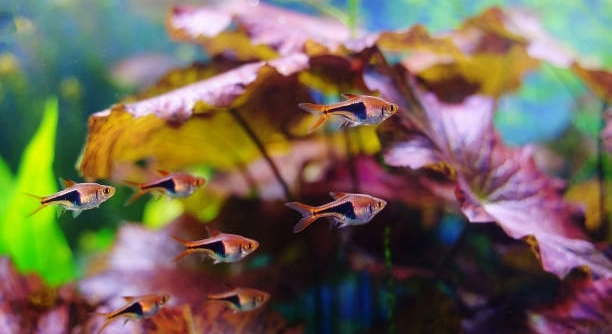
Do you ever find yourself watching your rasboras swim straight into the glass, unsure if it’s normal or something to worry about?
The most common reason rasboras swim into the glass is due to confusion caused by reflections or lack of environmental enrichment. Clear tank walls, improper lighting, or a sparse setup can disrupt their ability to recognize boundaries.
This behavior may seem harmless, but understanding what’s behind it can help create a safer and more comfortable space for your fish.
Why Reflections Confuse Rasboras
Rasboras are small, active fish that rely heavily on sight to navigate. In tanks with clear glass walls and bright lighting, they can mistake their reflection for another fish. This can lead to confusion, especially in fish that are easily startled or have a strong schooling instinct. When a rasbora sees its own image, it may swim toward it, thinking it’s another fish. Without physical barriers or enough tank decor to help define space, these reflections become harder to ignore. Smooth glass surfaces reflect light and motion, which further increases the chance of mistaken identity. Over time, repeated swimming into the glass can cause stress and even injury. Providing a more natural and structured environment helps limit this behavior. Plants, background film, and proper lighting reduce the chances of strong reflections appearing. A calm, enriched tank setup allows rasboras to feel safer and behave more normally.
Adding a solid background to your tank is a simple way to reduce reflections and help rasboras navigate better.
Try using darker lighting, tall plants, or floating decorations to break up reflections and create depth. These additions help rasboras feel secure by blocking light and defining their swimming space. They also lower stress levels and prevent injuries from bumping into glass.
Environmental Enrichment and Stress
Rasboras are active fish that thrive in environments where they feel safe. A sparse tank with very few plants or decorations can make them feel exposed. This lack of cover causes them to dart around quickly, sometimes into the glass. When rasboras are stressed, they become jumpy and are more likely to act erratically. They may constantly swim along the glass or group tightly in corners. Providing hiding spots with live or artificial plants helps reduce this stress. It gives the fish places to rest and lowers their sensitivity to external movement. Avoid using bright lights and sudden changes in light levels. Soft, filtered lighting is more calming. It’s also helpful to keep the tank in a quiet area where people or other pets won’t scare the fish. A calm space and stable water conditions support better behavior and lower the chances of glass swimming.
Choose tank mates carefully, as aggressive or overly active fish can also increase stress in rasboras.
How Tank Size and Setup Affect Behavior
A tank that’s too small makes it hard for rasboras to swim freely and behave naturally. Tight spaces increase stress, and fish are more likely to pace along the glass or act skittish when they feel confined.
A proper setup includes more than just water and a filter. Rasboras need room to swim as a group, as they’re schooling fish by nature. Tanks under 10 gallons can feel cramped quickly, especially when housing multiple fish. A longer tank layout gives them horizontal swimming space, which reduces pacing and glass running. Adding driftwood, caves, or tall plants can help break up the space and reduce open, exposed areas. These changes help fish feel less anxious and encourage natural movement. A larger tank also supports stable water conditions, which reduces stress-related behaviors. Keeping their environment clean, spacious, and visually calm is key to helping rasboras feel safe.
Tank layout plays a big part in how your rasboras behave. If the space feels empty or flat, they won’t have enough points of reference to feel secure. Fish use physical objects to understand where they are and how to move. When those points are missing, they may swim into the glass while trying to orient themselves. This confusion can lead to repeated impact, which is harmful over time. Include soft plants, vertical structures, and visual breaks so they can explore and rest. Even small changes like leaf litter or floating plants can make a big difference in how they interact with their environment. A simple, thoughtful layout creates a calmer, more natural rhythm in their daily movement.
Light, Movement, and External Distractions
Sudden light changes and outside movement can cause rasboras to dart and swim into tank walls. When startled, they often act out of panic rather than awareness of their surroundings. This behavior increases if the tank is in a high-traffic area or under harsh, shifting lighting.
Try to place the tank in a spot that stays quiet and consistent throughout the day. Avoid placing it near windows where natural light changes quickly or next to screens and loud activity. Fish respond to outside motion, especially if they don’t have hiding spots inside the tank. The more secure they feel in their environment, the less they’ll react to things beyond the glass. Use soft ambient lighting, and if needed, consider adding a background to block distracting views. These simple changes help reduce startle responses and make your rasboras more confident swimmers. This leads to fewer accidents and healthier fish overall.
Signs of Stress in Rasboras
If rasboras are constantly swimming along the glass or darting from corner to corner, it usually means they are stressed. Other signs include clamped fins, dull colors, and refusing to eat or interact with other fish.
Stress can build up over time. Even small things like tapping on the tank or poor water conditions can cause ongoing issues.
How to Help Rasboras Feel Safer
Start by checking the water parameters—stable temperature, clean water, and good filtration are key. Add hiding spots using plants, driftwood, or rock caves. Lower lighting levels if they seem skittish, and reduce loud noise or sudden movements around the tank. Make sure your tank isn’t overcrowded. If needed, increase the tank size to give them more space to swim freely. Avoid placing the tank near windows or high-traffic areas. Be patient and allow the fish time to adjust after making changes. Rasboras often settle down once they feel their environment is safe and predictable.
When to Be Concerned
If rasboras continue to slam into the glass even after changes, it might be time to check for illness, injury, or vision problems.
FAQ
Why do rasboras keep swimming into the glass even though I have plants and decorations?
Sometimes reflections still happen despite having plants or decorations. If the tank glass is very clear and lighting is strong, rasboras may mistake their reflection for another fish. Also, sparse or low plants might not break up reflections enough. Try adding a solid background or more dense plants near the glass. Adjusting the light angle or dimming the tank lights can reduce glare. Even small changes like repositioning the tank away from direct sunlight or bright room lights can help.
Can swimming into the glass harm my rasboras?
Yes, repeated impact can cause injuries like bruising or damaged scales. It also stresses the fish, which weakens their immune system and makes them more prone to disease. Watch for signs of injury such as torn fins, patches of missing scales, or unusual swimming patterns. Preventing this behavior with tank setup changes is much safer than treating injuries after the fact.
Is this behavior normal for all rasboras?
Not all rasboras swim into the glass, but it is fairly common, especially in smaller tanks or tanks without enough visual barriers. Some species are more active and nervous, which can increase the chance. Each fish reacts differently depending on tank conditions and environment.
Does tank size affect this behavior?
Yes, smaller tanks increase stress and limit swimming space. Rasboras need enough room to school and swim naturally. A cramped tank encourages pacing and swimming into walls. A minimum of 10 gallons is recommended for small groups, but bigger is always better. Horizontal space is important since rasboras swim mostly side to side.
Will changing tank mates help reduce glass swimming?
Aggressive or fast-moving tank mates can stress rasboras, causing erratic swimming and more collisions with the glass. Peaceful community fish that swim at similar speeds work best. Avoid overcrowding, as competition for space increases stress. Sometimes adding more rasboras to increase the school size can help reduce panic behaviors.
How long does it take for rasboras to stop this behavior after changes?
It can vary from days to weeks depending on the fish and how severe the stress is. Some fish adjust quickly once their environment feels safe. Others need more time to calm down. Consistent care, stable water conditions, and a calm environment speed recovery. Avoid sudden changes after improvements to prevent added stress.
Can lighting cause rasboras to swim into glass?
Yes, bright or flickering lights can cause confusion and stress. Reflections and glare increase under harsh lighting, leading fish to mistake glass for open water or other fish. Soft, even lighting with a timer for consistent day-night cycles is best. Avoid placing the tank near windows where sunlight changes throughout the day.
Are there medical reasons why a rasbora might swim into the glass?
Vision problems or neurological issues can cause abnormal swimming. If a fish appears disoriented, bumps into objects repeatedly, or swims in circles, it may have illness or injury affecting its senses. Infections, parasites, or physical trauma could be the cause. Consult an aquatic vet or experienced fish keeper for diagnosis and treatment options.
What immediate steps can I take to protect my rasboras?
First, reduce tank reflections by adding a background or plants near glass walls. Dim the lighting or adjust its angle. Ensure stable water parameters and clean conditions. Provide plenty of hiding places and keep the tank in a quiet, low-traffic area. Avoid tapping or sudden movements near the tank. Regular observation helps catch stress or injury early.
Is it normal for rasboras to panic and dart suddenly?
Yes, rasboras are prey fish and can be easily startled. Panic swimming is natural but should not be constant. Frequent panic or sustained glass swimming indicates stress or an unsuitable environment. Minimizing loud noises, sudden light changes, or aggressive tank mates helps reduce panic episodes.
Can I train my rasboras to avoid the glass?
Fish do not learn like pets such as dogs or cats. However, they respond well to stable, calm environments that reduce stress and confusion. Creating a consistent and enriched habitat is the best way to encourage natural, safe swimming behavior.
How often should I check the tank environment to prevent this behavior?
Daily observation is best to notice early signs of stress or glass swimming. Weekly water tests and regular tank cleaning maintain healthy conditions. Adjustments to lighting, decoration, or tank placement can be done as needed based on your fish’s behavior. Consistency in care supports healthier fish and lowers unwanted behaviors.
Rasboras swimming into the glass is a behavior many fishkeepers notice at some point. While it can be worrying, understanding why it happens helps you take simple steps to improve their environment. This behavior is usually linked to confusion caused by reflections, stress from small or empty tanks, or sudden changes in lighting and noise. By addressing these factors, you create a safer and more comfortable space for your fish. It’s important to remember that rasboras are small, delicate creatures that depend on clear boundaries and a calm environment to feel secure.
Making changes like adding plants, using a solid background, or adjusting lighting can reduce reflections and make the tank less confusing. Giving your rasboras enough space to swim naturally is also important. A larger tank with plenty of decorations and hiding spots allows them to behave more normally. When they feel safe, they are less likely to swim erratically or bump into the glass. Keeping water clean and stable helps lower stress, too. Small changes often make a big difference in how your fish act and feel.
Finally, patience is key. Even after improving their environment, rasboras may take time to adjust. Watching their behavior closely will help you see if further changes are needed. If the behavior continues or if your fish show signs of illness, it’s good to seek advice from experienced hobbyists or aquatic specialists. With care and attention, you can help your rasboras live a healthier, happier life, swimming freely without fear or confusion.

Hello,
If you enjoy the content that we create, please consider saying a "Thank You!" by leaving a tip.
Every little bit helps us continue crafting quality advice that supports the health, happiness, and well-being of pets around the world, for pets of all shapes, sizes, and species.
We really appreciate the kindness and support that you show us!