
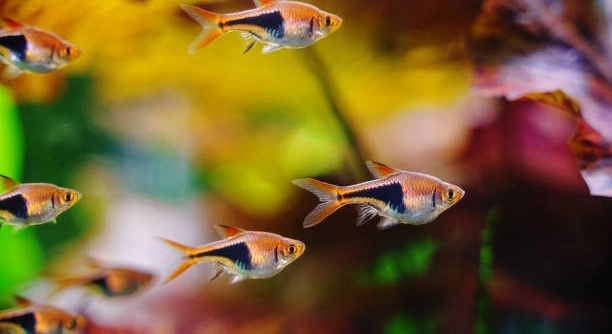
Do you ever find yourself watching your rasboras and wondering what their little movements really mean when they seem so calm and happy?
Rasboras repeat certain behaviors when they feel safe and content, including tight schooling, rhythmic swimming patterns, gentle fin flicks, and hovering calmly in open water. These patterns reflect a stable environment and low stress levels.
Each motion your rasbora makes tells a small part of its story. Learning to spot these patterns can help you better care for them and enjoy a more peaceful tank environment.
Schooling in Sync
When rasboras feel safe, they school together in a tight, flowing group. This behavior is natural for them and helps reduce stress. In a well-maintained tank, they swim smoothly with each other, making sudden turns as one unit. They rely on each other for safety, so when they’re content, their schooling becomes more relaxed and coordinated. You’ll notice they don’t bump into each other or scatter suddenly. A content rasbora will swim in sync with the group, often near the middle or top of the tank. They glide gracefully, without jerky or rushed movements. Their colors may appear brighter as well, reflecting their stable health and mood. This type of behavior usually means they feel secure in their space. It also signals that the water conditions are suitable, and there are no threats around. Watching them school like this can feel calming and even rewarding for the person caring for them.
Tight schooling is one of the first signs rasboras give when everything feels right. It shows confidence and calm.
When rasboras aren’t content, they often break off from the group or move frantically. In contrast, relaxed schooling means their needs are being met. Keeping their space clean and peaceful supports this behavior long-term.
Calm Hovering and Gentle Flicks
When rasboras are happy, they will hover calmly in open water, especially when the tank is quiet.
This type of movement is slow and steady. You’ll notice they pause in place, almost like they’re floating. It’s not the same as being inactive—there’s still a gentle motion to their fins. They make soft flicks with their tails or pectoral fins to keep balanced. This behavior suggests they feel no need to hide or dart around. It’s especially common in the early afternoon when the lighting is soft and the tank environment feels stable. If one rasbora starts hovering, others often follow, creating a relaxed energy in the tank. They may shift slightly from time to time, but the overall vibe stays calm. Gentle flicks help them remain in place without expending too much energy. Observing this can help you gauge their comfort level. If they’re doing this often, it’s usually a sign your tank is giving them what they need.
Playful Chasing Without Aggression
Rasboras often chase each other in a playful way when they feel relaxed. This chasing is not fast or aggressive. It looks more like a soft dance, with short bursts of movement followed by a pause.
This behavior is usually seen in the middle part of the tank. A rasbora might gently chase another for a few seconds, then swim side by side. There’s no nipping, hiding, or signs of stress. The fish doing the chasing doesn’t try to corner the other, and the one being chased doesn’t seem alarmed. It’s common during feeding time or just after a water change, when the tank feels fresh. This can also show that the group is comfortable with each other. Playful chasing is more about social bonding and tank interaction than competition. As long as there’s no damage or hiding involved, it’s usually a healthy and harmless behavior.
Playful chasing can also increase when lighting is soft or when tank mates are peaceful. It gives rasboras a way to stay active while also connecting with others in the group. The energy in the tank stays light, not tense. This behavior is normal and even healthy in a calm environment with proper space and balanced stocking levels.
Exploring New Spaces Together
When rasboras feel content, they become curious and begin exploring new areas in the tank together. They might check out a new plant, decoration, or open space with caution but without fear. You’ll see them move together in small groups, not rushing, just calmly investigating.
This behavior usually happens after something changes in the tank, like a new layout or even a minor water change. Rasboras will swim slowly through the new area, often circling back and following each other. They’re more likely to explore when lighting is gentle and the tank feels quiet. This shows that they trust their environment and feel stable enough to wander a bit. When they’re stressed, rasboras tend to stay in one part of the tank, avoiding unfamiliar places. But when content, they show interest in changes. This is a good sign that they’re relaxed, well-fed, and supported by a calm tank atmosphere.
Slow Swimming After Feeding
After eating, content rasboras often swim slowly near the middle or bottom of the tank. Their movements become steady and calm, showing they feel full and safe. There’s no rushing or frantic darting—just smooth, relaxed motions.
They may swim near each other but keep a little distance. Some will hover gently while others glide through the water. This behavior shows they’re comfortable and not worried about food competition or threats in the tank.
Balanced Interaction With Tank Mates
Content rasboras usually keep peaceful relationships with their tank mates. You won’t see nipping, chasing, or hiding. They interact calmly, swimming near other fish without tension. If another fish comes close, they simply change direction or shift a little. This kind of peaceful response means they don’t feel stressed or threatened. Rasboras are naturally gentle, so a lack of conflict usually means the tank is well-balanced. Keeping other calm species with them supports this peaceful energy. When everything feels right, rasboras stay relaxed, social, and confident, creating a smooth rhythm in the tank that’s easy to spot once you know what to look for.
Gentle Color Brightening
When rasboras feel calm and secure, their colors may look a bit more vivid than usual. This isn’t sudden or flashy but a soft, healthy glow that happens naturally when their needs are met.
FAQ
How can I tell if my rasboras are stressed instead of content?
Stressed rasboras often break away from the group, swim erratically, or hide for long periods. Their colors may fade, and they may lose interest in food. You might notice fast gill movement or frantic darting across the tank. In some cases, they stay close to the bottom or near filter outlets. These signs are very different from the calm, smooth patterns you see when they feel safe and stable. If these stress behaviors appear suddenly, it’s important to check water parameters, tank mates, and any recent changes in the setup.
Why do rasboras flick their fins when they are not swimming?
When rasboras are healthy and calm, they often flick their fins gently while hovering. This keeps them balanced in one spot. It’s not a sign of discomfort. It’s more like how a person might adjust their posture while standing still. However, if the fin flicking becomes fast or repeated too often, especially with rubbing against surfaces, it may signal irritation or poor water quality. But in general, occasional soft fin flicks in open water are just a sign of a relaxed and steady fish.
Is it normal for rasboras to stay still for a while?
Yes, as long as they’re not gasping or leaning to one side. Calm hovering is common in content rasboras. You might see them pause mid-water or rest near a plant. Their fins will still move slowly to keep balance. This stillness often happens during quiet hours of the day or after feeding. If their colors look bright and they return to schooling later, there’s no reason to worry. However, if stillness is paired with dull color, labored breathing, or hiding, it may be a sign of something off.
How many rasboras should I keep together for them to feel content?
Rasboras are schooling fish and do best in groups of at least six, though eight or more is even better. When kept alone or in too-small groups, they become anxious, which leads to less activity and more hiding. A larger group gives them a sense of safety and allows for natural behaviors like synchronized swimming and gentle chasing. It also lowers the chances of one fish being singled out or bullied. A proper group size supports their social nature and makes them more active and confident in the tank.
Do rasboras need tank decorations to feel safe?
Yes, some light decorations help rasboras feel secure. They prefer open swimming space, but they also benefit from areas with plants, driftwood, or gentle hiding spots. These features give them the option to retreat when they feel unsure. A mix of open and covered areas supports their natural rhythm. Too much clutter, though, can make schooling difficult, so it’s important to leave enough open space. Decorations should be arranged to offer gentle shelter, not block movement. A balanced layout helps rasboras explore, rest, and interact more freely.
Will content rasboras always stay active?
No, content rasboras have calm periods. Being active all the time isn’t necessary to show that they feel safe. They often rest or swim slowly, especially when the lighting is low. As long as they return to schooling, explore occasionally, and show soft fin movement, they’re likely feeling fine. Periods of stillness are part of their natural rhythm and don’t mean something is wrong. Watching how they shift between calm and active times will give you a better sense of their mood and comfort level overall.
Can tank mates affect rasbora behavior?
Yes, peaceful tank mates help rasboras feel more at ease. If kept with aggressive or fast fish, rasboras may become anxious and hide more often. Ideal tank mates are calm, similar in size, and not too dominant during feeding. When tank mates are well-chosen, rasboras keep to their natural behaviors like schooling, soft chasing, and exploring. If you notice rasboras suddenly becoming skittish or isolating themselves, a new tank mate might be the cause. It’s always best to match their peaceful nature with similar fish.
Do rasboras show contentment the same way at night?
At night, rasboras tend to settle down and rest. You may see them near the bottom or among plants, staying very still. Their colors may dim slightly, which is normal. As long as they resume schooling and regular behaviors the next day, this quiet period is part of their natural rhythm. If they seem overly still for long hours during the day, though, it might be worth checking for water quality issues or possible stress. Normal nighttime stillness is just how they rest and recharge.
Final Thoughts
Rasboras are gentle fish that show their emotions through small, repeated patterns. When they feel safe and content, their behavior becomes easy to read. They school closely, swim smoothly, and explore calmly. These patterns are not just pretty to watch—they’re also signs that your care is working. A well-maintained tank, steady water conditions, and a calm environment all help your rasboras feel secure. When those needs are met, they return the favor by showing peaceful habits and balanced energy. Over time, you may start to notice small changes that tell you how they’re feeling each day.
These signs of contentment are not loud or flashy. In fact, they’re easy to miss if you’re not paying attention. A soft flick of a fin, slow swimming after feeding, or gentle chasing are all ways rasboras communicate that everything feels right. Watching for these patterns can also help you catch problems early. If you know what your rasboras act like when they’re calm, you’ll also know when something seems off. Maybe they’re not swimming with the group, or they’re hiding more than usual. These shifts often point to something in the environment that needs fixing. Learning their calm habits gives you a better way to care for them.
You don’t need to do anything complicated to support your rasboras. Just focus on the basics—clean water, steady temperatures, peaceful tank mates, and enough room to swim. Keep their group size strong and avoid sudden changes. Even a small adjustment, like rearranging plants or changing light settings, can impact how they feel. But when you keep things stable, their content patterns stay strong. These fish may be small, but their behaviors say a lot. And once you learn what to look for, it becomes easier to give them a safe, calm home. Watching them move together in a peaceful rhythm is not only enjoyable—it’s also a sign that you’re doing something right.

Hello,
If you enjoy the content that we create, please consider saying a "Thank You!" by leaving a tip.
Every little bit helps us continue crafting quality advice that supports the health, happiness, and well-being of pets around the world, for pets of all shapes, sizes, and species.
We really appreciate the kindness and support that you show us!