
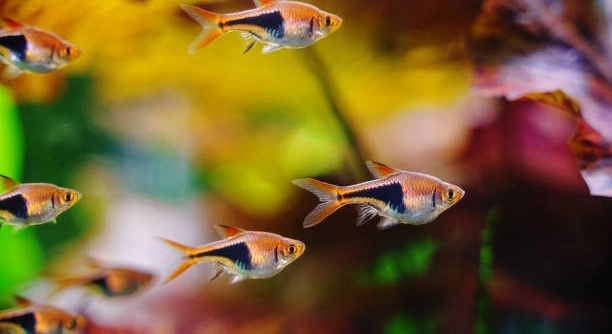
Rasboras are small, active fish often kept in home aquariums. They live in simple environments and follow daily routines that seem calm and steady. Many fish owners wonder about their behavior over time.
Rasboras do not experience boredom or tiredness from routine in the same way humans do. Their behavior is driven mainly by instincts and environmental cues rather than emotions like boredom. Routine provides stability that supports their well-being and survival.
Exploring how environment and care affect rasbora behavior can improve their health and happiness in aquariums. Understanding these details benefits both fish and their owners.
Understanding Rasbora Behavior and Routine
Rasboras are naturally active fish that thrive in environments with consistent routines. They rely on regular feeding times, stable water conditions, and familiar tank mates to feel secure. Sudden changes in their surroundings can cause stress, so maintaining predictability helps them stay calm. Even though their movements may look repetitive, this routine supports their health and normal activity. Rasboras swim in groups, exploring their space, which keeps them mentally engaged without needing much variation. In the wild, they follow natural cycles of daylight and food availability, which aquarium owners can replicate. Consistency in care helps reduce illness and encourages natural behaviors. Fish don’t get tired of routine but respond best to stability that meets their needs.
Regular tank maintenance, like cleaning and water changes, supports this routine and keeps the environment safe for rasboras.
Providing a well-maintained, steady habitat helps rasboras live healthy, active lives without stress or confusion.
Signs of Stress and How to Address Them
Stress in rasboras can show as changes in swimming patterns or appetite loss.
Keeping an eye on their behavior is key to early detection.
When rasboras are stressed, they may hide more or become less active. Stress often comes from poor water quality, sudden temperature shifts, or aggressive tank mates. Even though they don’t get bored, environmental discomfort impacts them negatively. To reduce stress, keep water parameters stable and ensure the tank is spacious enough for their group swimming needs. Introducing plants and decorations gives them places to hide and explore safely. Avoid frequent, unnecessary disturbances near the tank. Monitoring their health regularly helps catch problems early. Stress reduction keeps rasboras happy and prevents illness, so their routine should always include calm surroundings and proper care. This attention to detail creates a better life for your fish.
How to Keep Rasboras Engaged
Rasboras enjoy a stable environment but benefit from gentle changes.
Adding new plants or rearranging tank decorations can keep their space interesting.
Introducing new plants or small hiding spots encourages natural exploring behavior. These changes provide stimulation without causing stress. Rasboras swim through plants and use hiding places to feel secure. Even small adjustments can make their tank feel fresh and prevent any signs of restlessness. Avoid drastic changes that disrupt their routine, but gradual updates can support their well-being and activity levels.
Balanced lighting that mimics natural day and night cycles also helps keep rasboras active. Consistent feeding times combined with a variety of foods support their health and engagement.
Feeding Habits and Routine
Feeding rasboras regularly at set times creates a comforting routine.
They thrive when given a mix of flakes, pellets, and occasional live or frozen foods.
Rasboras respond well to small, frequent meals that fit their size. Offering varied food types ensures they receive proper nutrition and stay interested during feeding time. Overfeeding can cause water quality problems, so portion control is important. Watching their eating behavior can reveal their health status; eager eating usually signals well-being. Keeping feeding times consistent helps rasboras anticipate and enjoy their meals, strengthening their daily rhythm.
Providing fresh food options also supports their natural instincts and keeps them lively and healthy in the aquarium.
Tank Size and Social Needs
Rasboras need enough space to swim freely and stay healthy.
A minimum of 10 gallons is recommended for a small group of rasboras.
They are schooling fish and feel safer and more active when kept in groups of six or more. Being alone can cause stress and unusual behavior. Providing enough room and company helps maintain their natural routines and well-being.
Importance of Water Quality
Regular water testing and changes keep rasboras healthy. Poor water conditions can quickly harm them.
Keeping ammonia, nitrite, and nitrate levels low is essential. Regular partial water changes help maintain stable conditions and reduce stress. Clean water supports their energy and natural behaviors.
Common Mistakes to Avoid
Avoid overcrowding the tank and sudden environment changes. Both can stress rasboras and harm their routine.
FAQ
Can rasboras get tired of their routine?
Rasboras do not experience boredom or tiredness like humans. Their behavior is driven by instincts and environmental signals rather than feelings of monotony. Routine offers stability that keeps them healthy and safe. They thrive best when their daily environment is consistent and predictable, so they don’t need changes for mental stimulation the way pets like dogs or cats might.
How often should I feed my rasboras?
Feeding small amounts two to three times a day works well. Rasboras are small fish with fast metabolisms, so frequent but moderate feeding keeps them healthy. Overfeeding can pollute the water and cause health problems. Variety is important, so mix flakes or pellets with occasional live or frozen foods like brine shrimp or daphnia for balanced nutrition.
Is it okay to change decorations often in the tank?
Frequent, drastic changes may stress rasboras. Gentle rearrangements every few weeks can be good for mental stimulation, but too many changes too fast can make them nervous. Adding new plants or hiding spots gradually helps keep their environment interesting without disrupting their sense of security.
What tank size do rasboras need?
A minimum of 10 gallons is suitable for a small group of six or more rasboras. They are schooling fish and need enough space to swim together comfortably. A larger tank is always better to support healthy movement and reduce stress.
How many rasboras should be kept together?
Rasboras should be kept in groups of at least six. They rely on their school for safety and natural behavior. Smaller groups or keeping them alone can cause stress and unusual activity. A proper group size helps maintain their routine and mental well-being.
What water conditions are best for rasboras?
Rasboras prefer clean, slightly acidic to neutral water with temperatures between 72°F and 78°F (22°C to 26°C). Regular water changes and testing keep ammonia and nitrite at zero and nitrates low. Stable water parameters reduce stress and keep them active.
Can rasboras live with other fish?
Yes, rasboras are peaceful and do well with other non-aggressive fish of similar size. Avoid larger or aggressive species that may bully them. Good tank mates help create a balanced community without disrupting the rasboras’ routine.
Why do my rasboras hide a lot?
Hiding can mean stress or illness but also normal cautious behavior. Check water quality, tank mates, and if the tank has enough plants or hiding spots. Improving environment stability and adding cover can help them feel safer and more comfortable.
How do I know if my rasboras are healthy?
Healthy rasboras swim actively, eat well, and have bright colors. Watch for signs like loss of appetite, faded colors, lethargy, or abnormal swimming. Early detection of issues through daily observation and proper care ensures their routine stays safe and stress-free.
What is the best way to introduce new rasboras to the tank?
Acclimate new rasboras slowly by floating their bag in the tank water for 15-30 minutes, gradually mixing tank water into the bag. This reduces shock from temperature and water chemistry differences. Introduce them during calm times to minimize stress and maintain the existing group’s routine.
Can rasboras adapt to different lighting conditions?
Yes, but sudden changes in lighting can cause stress. Rasboras prefer a natural day/night cycle with moderate light. Using a timer to keep lighting consistent helps them maintain normal activity and reduces stress in their routine.
What happens if I overfeed my rasboras?
Overfeeding pollutes the water, leading to poor quality and stress. Leftover food decomposes, causing ammonia spikes harmful to fish. It can also lead to obesity and health problems. Feeding only what they can eat in a few minutes keeps water clean and fish healthy.
How often should I clean the tank?
Partial water changes of 20-30% every week or two keep the tank clean without disturbing the fish’s routine. Full tank cleanings are rarely needed and can stress the fish. Regular filter maintenance also supports water quality and a healthy environment.
Are rasboras sensitive to noise or vibrations?
Rasboras can be startled by loud noises or vibrations near the tank. Keeping the tank in a quiet area reduces stress. Sudden disturbances can disrupt their normal behavior and make them hide or act nervous.
Can rasboras breed in a home aquarium?
Yes, rasboras can breed if conditions are right, including clean water, proper temperature, and good nutrition. Breeding requires a separate tank or space, as adults may eat their eggs. Breeding encourages natural behavior but is not necessary for their routine care.
What is the lifespan of rasboras in captivity?
With proper care, rasboras can live 4 to 6 years or longer. Stable routines, good water quality, proper diet, and social groups help them reach their full lifespan. Regular monitoring keeps them healthy throughout their life.
These answers cover common concerns and help ensure rasboras stay comfortable and healthy in their routine environment. Consistency in care is key to their well-being.
Rasboras are small fish that do best when their environment stays steady and calm. They do not get tired or bored of their routine like people might. Instead, having a consistent daily schedule helps them stay healthy and active. They rely on a stable tank with regular feeding times, clean water, and familiar surroundings. These things make them feel safe and comfortable. When their environment is predictable, rasboras show natural behaviors like swimming together and exploring plants. This kind of routine supports their well-being and helps avoid stress or illness.
Even though rasboras appreciate routine, small changes can be good for them if done carefully. Adding new plants or rearranging decorations slowly can keep their environment fresh without causing worry. It is important not to make sudden or big changes because that can confuse or stress the fish. Feeding them a variety of foods at regular times also helps keep them healthy and interested in their meals. Watching their behavior daily is useful to spot any signs of stress or health problems early on. When the water quality is good, and the tank is the right size with enough companions, rasboras feel their best.
Caring for rasboras means paying attention to their needs and maintaining a balanced routine. This includes keeping the water clean, feeding them the right amount, and providing space for swimming and hiding. Rasboras thrive in groups, so having several fish together is better than keeping just one or two. With proper care, they can live for many years. Maintaining consistency in their environment and making small, thoughtful adjustments when needed ensures they remain healthy and active. Following these simple steps helps rasboras live happy lives in home aquariums.

Hello,
If you enjoy the content that we create, please consider saying a "Thank You!" by leaving a tip.
Every little bit helps us continue crafting quality advice that supports the health, happiness, and well-being of pets around the world, for pets of all shapes, sizes, and species.
We really appreciate the kindness and support that you show us!