
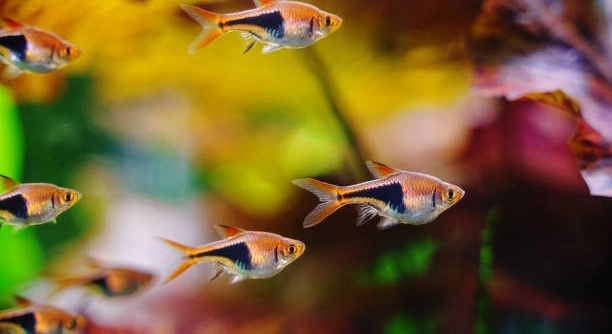
Rasboras are small, colorful fish that many people enjoy keeping in home aquariums. They tend to be active swimmers and can be quite social with other fish. Their eating habits reveal a lot about their comfort and health.
Rasboras show several clear reactions when introduced to new food, including hesitation, curiosity, quick acceptance, rejection, cautious nibbling, excitement, and occasional ignoring. These responses help indicate how well the food suits their preferences and needs.
Knowing how rasboras respond to new food can help aquarium owners make better feeding choices. This understanding supports the fish’s well-being and keeps their environment healthy.
Hesitation When Trying New Food
When rasboras encounter new food, they often hesitate at first. This pause allows them to assess if the food is safe and familiar. During this time, they may swim close but not immediately eat. Some rasboras will circle around the food or gently touch it with their mouths. This behavior is normal and shows their caution. It’s important not to rush feeding or force them to eat. Giving them time helps reduce stress and encourages better acceptance later. If hesitation lasts too long, it may mean the food is unappealing or unfamiliar. In that case, offering a mix of known and new foods can help them adjust gradually.
This hesitation is a natural way for rasboras to protect themselves from harmful substances. Observing this reaction can guide you in choosing the right diet.
Understanding hesitation can improve your feeding routine and keep your fish calm and healthy.
Curiosity and Exploration
Curiosity is a common response once hesitation fades. Rasboras may swim closer, nibble gently, or follow the food around the tank. This shows they are interested and willing to explore new tastes. Watching this behavior helps gauge how well they might accept the new food. When rasboras are curious, it is a positive sign for diet changes.
As they explore, they may pick at the food several times before fully eating it. This trial-and-error approach helps them learn what suits their palate.
Encouraging curiosity with small portions keeps the feeding process smooth. Over time, this increases the chance your rasboras will enjoy a varied diet, which is good for their nutrition and happiness. Keeping food fresh and suitable in size also supports their willingness to try new things.
Quick Acceptance
Rasboras sometimes accept new food immediately. This quick acceptance often happens with familiar textures or flavors. They swim right up and eat without hesitation.
When new food matches what they usually enjoy, rasboras show little resistance. They quickly recognize the food as edible and nutritious. This reaction can happen with certain flakes or pellets similar to their regular diet. It’s a good sign that the food suits their preferences and dietary needs.
Quick acceptance saves time during feeding and reduces stress for both fish and owner. It means the food is likely well balanced and healthy. When introducing new food, offering options close to their current diet can encourage this fast response, making feeding easier and more enjoyable.
Rejection of New Food
Rasboras can reject unfamiliar food outright. They may swim away, ignore the food, or spit it out after trying. This rejection indicates dislike or discomfort with the texture or taste.
Rejection may happen when the food is too large, smells different, or is too dense for their small mouths. Sometimes, it signals that the food lacks needed nutrients or is not fresh. Consistent rejection means it’s best to try alternative options or mix the new food with favorites to encourage acceptance.
Observing rejection helps avoid wasting food and ensures rasboras get what they need. Patience and variety are key when introducing new foods, as forcing food can cause stress and impact their health negatively.
Cautious Nibbling
Rasboras often nibble cautiously at new food before fully eating it. This helps them test the taste and texture without risking too much.
This slow approach shows their careful nature. It allows them to decide if the food is safe and enjoyable before committing to a full meal.
Excitement When Eating
Rasboras show excitement by quickly swimming to new food and eating eagerly. This reaction usually means they find the food tasty and nutritious. Excited feeding encourages good growth and activity levels in the fish, making it a positive sign for their overall health.
Ignoring the Food
Sometimes rasboras ignore new food completely. This could be due to disinterest, stress, or feeling full. Ignoring food is a clear signal that the current offering is not appealing or suitable for them at that time.
How do I know if my rasboras like the new food?
You can tell by watching their behavior during feeding. If they approach the food quickly, nibble actively, or eat it eagerly, it’s a good sign they like it. Hesitation, cautious nibbling, or ignoring the food may mean they are unsure or dislike it. Quick acceptance shows comfort, while rejection signals it might not suit their taste or texture preferences.
Why do rasboras sometimes hesitate before eating new food?
Hesitation is natural as rasboras assess if the food is safe. In the wild, fish are cautious about unfamiliar items to avoid danger. Your pet rasboras do the same by swimming around the food or gently touching it before eating. Giving them time to get used to new food lowers stress and encourages better eating habits.
Is it okay if my rasboras reject new food at first?
Yes, it’s common for them to reject new food initially. Fish can be picky or need time to adjust to changes. Mixing the new food with familiar flakes or pellets can help. Gradually increasing the new food amount over several days often leads to better acceptance.
What should I do if my rasboras ignore new food completely?
If they ignore food for more than one feeding session, check water quality and stress factors first. Poor water conditions or illness can reduce appetite. If everything is fine, try offering smaller portions or a different type of food. Sometimes, timing matters—feeding when fish are most active can improve interest.
How often should I introduce new food to my rasboras?
Introduce new food slowly, about once a week or less, to avoid overwhelming them. Frequent changes can stress fish and cause inconsistent eating. Offer new food in small amounts mixed with their regular diet until they accept it fully.
Can rasboras eat live food and how do they react?
Rasboras generally enjoy live food like daphnia or brine shrimp. They often show excitement and quick acceptance with live food because it mimics natural prey. Live food also encourages natural hunting behavior, keeping them active and healthy.
What texture of food do rasboras prefer?
Rasboras tend to prefer softer flakes or small pellets that are easy to nibble. Hard or large food pieces may cause rejection or cautious nibbling. Texture affects how quickly they eat and their willingness to try new food.
How can I tell if the new food is good for my rasboras’ health?
Observe their energy levels, coloration, and overall activity after feeding. Good food supports bright colors and lively swimming. If they seem lethargic or lose color after a diet change, the food might lack proper nutrients or quality.
Should I remove uneaten new food from the tank?
Yes, uneaten food should be removed within 10-15 minutes to prevent water pollution. Excess food can decay and harm water quality, stressing your fish and encouraging algae growth.
Are frozen or freeze-dried foods good alternatives for rasboras?
Frozen and freeze-dried foods are good supplements, providing variety and nutrition. Many rasboras accept these after initial hesitation. They are convenient and often contain essential nutrients, but always rehydrate freeze-dried foods before feeding to prevent digestive issues.
When introducing new food to your rasboras, it’s important to be patient and observe their reactions closely. Each fish can respond differently, showing behaviors like hesitation, curiosity, or even rejection. These responses are natural and help you understand what suits your fish best. Watching how your rasboras eat can guide you in choosing the right types of food to keep them healthy and comfortable in their environment. Avoid rushing the process, as forcing new food too quickly may cause stress or illness.
Offering a variety of foods helps keep your rasboras interested and nourished. You can try flakes, pellets, live food, or frozen options to provide a balanced diet. Introducing new items gradually, mixed with their familiar favorites, often leads to better acceptance. Pay attention to the size and texture of the food because rasboras prefer smaller, softer bites that are easy to eat. Proper feeding habits contribute to their growth, bright colors, and active behavior, all signs of good health.
Lastly, maintaining good water quality and a calm tank environment supports your rasboras’ willingness to try new foods. Stress or poor conditions can cause them to ignore even the best diets. Remove uneaten food promptly to avoid water problems, and keep a regular feeding schedule. When you combine careful observation, variety, and patience, feeding your rasboras becomes a smoother and more rewarding experience for both you and your fish. Taking these simple steps ensures your rasboras stay happy and thrive.

Hello,
If you enjoy the content that we create, please consider saying a "Thank You!" by leaving a tip.
Every little bit helps us continue crafting quality advice that supports the health, happiness, and well-being of pets around the world, for pets of all shapes, sizes, and species.
We really appreciate the kindness and support that you show us!