
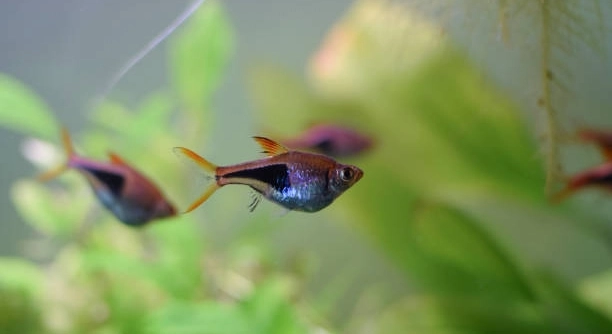
Rasboras are small, peaceful fish often found in home aquariums. Sometimes, they appear to stay still or “stuck” in one spot for a while. This behavior can make owners curious or concerned about their fish’s health.
Rasboras might look stuck because they are resting, feeling stressed, or adjusting to water conditions. Limited movement is a natural response to changes in their environment or when they conserve energy. Monitoring water quality and tank setup helps prevent this behavior.
Understanding why rasboras behave this way can improve how you care for them. Paying attention to their needs will help keep your fish happy and healthy in their aquatic home.
Why Rasboras Sometimes Stay Still
Rasboras may seem stuck when they are actually resting or conserving energy. These small fish are naturally active but need breaks to maintain their health. Resting allows them to digest food and recover from swimming. Another reason for stillness is stress. Changes in water temperature, pH, or tank mates can make rasboras pause and assess their surroundings. Sometimes, they float near the surface or hide behind plants to feel safe. In a new environment, they might be cautious, watching before moving much. It is also common for them to remain still during feeding time if food is scarce or if they are waiting for a safe moment to approach. Recognizing these behaviors helps you understand your fish better and reduces unnecessary worry about their health or tank conditions.
Rasboras also slow down during nighttime or when the tank lights are off. This is a natural pattern linked to their internal rhythms.
Learning to notice these subtle cues can improve your aquarium care and keep your rasboras comfortable.
Checking Water Quality and Tank Setup
Water quality directly affects how active your rasboras are. Poor water conditions can cause them to stay still, hiding, or even gasping at the surface. It’s important to regularly test parameters like temperature, ammonia, nitrite, and nitrate levels. Keeping the water clean and stable supports their natural behavior and health. A well-planted tank with enough swimming space encourages movement and reduces stress. Rasboras prefer slightly acidic to neutral water and moderate temperatures around 72-79°F (22-26°C). Proper filtration and regular water changes also play a big role in maintaining this balance. Observing your fish daily can help you spot changes early, so you can adjust the environment as needed. When water conditions are right, rasboras are more likely to swim freely and show their lively colors.
Proper tank setup means more than just water quality. It includes lighting, hiding spots, and tank mates that suit rasboras’ peaceful nature. This combination ensures they feel safe and active.
Common Health Issues Affecting Rasbora Activity
Rasboras that seem stuck may be showing signs of illness. Common problems include swim bladder issues, parasites, and bacterial infections. These conditions affect their ability to swim properly.
Swim bladder disease can make it hard for rasboras to control their buoyancy, causing them to float awkwardly or stay still. Parasites like ich can irritate their skin and gills, leading to lethargy. Bacterial infections may cause redness, swelling, or sores, which reduce movement. Observing physical changes and unusual behavior helps identify problems early. Quarantining sick fish and seeking proper treatment can improve their recovery chances.
Healthy fish are usually active and curious. If your rasbora stays in one place for a long time and shows signs of distress, it may need care. Keeping the tank clean and providing a balanced diet supports their immune system and overall wellbeing.
Social Behavior and Tank Dynamics
Rasboras are schooling fish and feel safer in groups of six or more. When alone or in small numbers, they may freeze or hide more often. A proper school encourages natural swimming and reduces stress.
Aggressive tank mates or overcrowding can cause rasboras to feel threatened and stay still to avoid conflict. Providing enough space and peaceful companions creates a calm environment. Observing how your fish interact helps you understand if social dynamics affect their behavior. Making small changes in tank population or rearranging decorations can encourage more movement and comfort. This balance makes your aquarium a better home for all its inhabitants.
Environmental Stress Factors
Sudden changes in temperature or light can make rasboras freeze in place. They are sensitive to shifts in their surroundings. Keeping conditions stable helps them feel safe and active.
Loud noises or vibrations near the tank can also cause stress. Minimizing disruptions supports their natural behavior and wellbeing.
Feeding Habits and Their Impact on Movement
Rasboras often become still when they are full or not hungry. After eating, they rest to digest their food properly. Overfeeding can lead to sluggishness and health issues, so it’s important to feed them small portions once or twice a day. Offering a balanced diet with high-quality flakes, pellets, or live food keeps them energized and healthy. Feeding at regular times helps establish a routine, reducing stress and promoting natural activity.
Lighting and Its Role in Rasbora Behavior
Proper lighting mimics natural day and night cycles. Too much or too little light can affect how much rasboras move. Adjusting light duration can encourage more normal activity patterns.
FAQ
Why does my rasbora stay in one place for a long time?
Rasboras may stay still to rest, conserve energy, or because they feel stressed. Changes in water quality, temperature, or tank setup can cause this behavior. Sometimes, they pause to observe their surroundings or recover after swimming actively. If the behavior lasts too long, check for illness or water problems.
Is it normal for rasboras to float near the surface and stay still?
Yes, occasionally. Floating near the surface can mean they are resting or seeking oxygen if the water is low in oxygen. Make sure your tank has good aeration and water circulation. If they stay at the surface often and look weak, it might indicate a health issue or poor water quality.
How many rasboras should I keep together?
Rasboras are schooling fish and do best in groups of six or more. Keeping them in a group helps reduce stress and encourages natural swimming. A small group can make them shy or inactive because they feel unsafe without enough companions.
Can poor water quality make rasboras stop swimming?
Absolutely. High ammonia, nitrite, or nitrate levels can stress fish and cause them to stay still or hide. Regular water tests and changes keep the tank environment safe. Clean, stable water conditions support their activity and overall health.
What are signs my rasbora is sick?
Look for faded colors, clamped fins, slow or no movement, and unusual spots or sores. Gasping at the surface, loss of appetite, or floating strangely also signal illness. Early detection and treatment improve chances of recovery.
Can tank mates affect my rasbora’s behavior?
Yes. Aggressive or overly active fish can scare rasboras into staying still or hiding. Choose peaceful tank mates and avoid overcrowding. A calm environment helps rasboras feel secure and swim freely.
Does lighting influence rasbora activity?
Lighting plays a big role. Too bright or too dim light can stress rasboras, causing them to freeze or hide. Mimicking natural light cycles with a timer helps maintain their daily rhythm and encourages healthy movement.
How often should I feed my rasboras?
Feeding once or twice daily in small amounts is best. Overfeeding can cause sluggishness and water pollution. A balanced diet with flakes, pellets, or live foods keeps them active and healthy.
What should I do if my rasbora looks stuck but is eating?
If your fish eats normally but stays still, monitor water quality and check for stress factors like tank mates or environment changes. Sometimes, resting is normal, but persistent inactivity calls for closer observation.
Is it normal for rasboras to stay still at night?
Yes. Rasboras are less active during the night as part of their natural cycle. They rest to conserve energy and prepare for the next day’s activity. Make sure your tank light follows a consistent day-night schedule.
Can swim bladder problems make my rasbora appear stuck?
Yes. Swim bladder issues affect buoyancy, making fish float awkwardly or stay still. Causes include overfeeding, poor water quality, or infection. Feeding less and improving tank conditions often help, but severe cases may require treatment.
How do I reduce stress for my rasboras?
Keep the tank clean, maintain stable water conditions, provide enough space, and house them in groups. Avoid loud noises and sudden movements near the tank. Providing hiding spots also helps them feel safe.
Can environmental changes cause rasboras to stay still?
Sudden temperature shifts, changes in lighting, or new tank decorations can cause temporary stillness as fish adjust. Try to make changes gradually and observe how your fish respond to avoid prolonged stress.
Why do rasboras hide more in a new tank?
New tanks are unfamiliar and can feel unsafe. Rasboras hide while exploring and getting used to the environment. Providing plants and decorations offers shelter and comfort during this adjustment period.
How important is tank size for rasbora activity?
Tank size matters. Small or overcrowded tanks limit swimming space, leading to inactivity. A minimum of 10 gallons for a small school provides enough room for movement and reduces stress. Proper space encourages healthy behavior.
Can rasboras stay still due to breeding behavior?
Sometimes, yes. During breeding, rasboras may stay in one spot or hide as part of courtship or nesting behavior. Observing their actions over time helps distinguish breeding from health or stress issues.
This FAQ covers many reasons why rasboras might look stuck in place and offers simple ways to keep them active and healthy.
Rasboras are generally active and peaceful fish, but it is normal for them to sometimes stay still or look like they are stuck in one spot. This behavior can happen for many reasons, including resting, stress, or changes in their environment. Understanding these reasons helps us take better care of them and reduces worry when we notice them being less active. It is important to pay attention to their behavior and surroundings to make sure they are healthy and comfortable.
Water quality plays a big role in how rasboras behave. When water conditions are not right, fish can become stressed or sick, causing them to move less or hide. Regular testing and cleaning of the tank can prevent many problems. Also, keeping rasboras in groups helps them feel safer and more confident. They naturally swim together, and having enough tank mates encourages more movement. Proper lighting, a good diet, and a calm environment all contribute to their well-being and activity levels.
If a rasbora seems stuck for a long time or shows signs of illness, it is important to act quickly. Checking water parameters, adjusting tank conditions, and observing for any physical problems can help identify the issue. Sometimes, fish need special treatment or a better environment to recover. Taking care of these small details creates a healthy home where rasboras can thrive and be lively. Paying attention and learning about their needs leads to happier fish and a more enjoyable aquarium experience.

Hello,
If you enjoy the content that we create, please consider saying a "Thank You!" by leaving a tip.
Every little bit helps us continue crafting quality advice that supports the health, happiness, and well-being of pets around the world, for pets of all shapes, sizes, and species.
We really appreciate the kindness and support that you show us!