
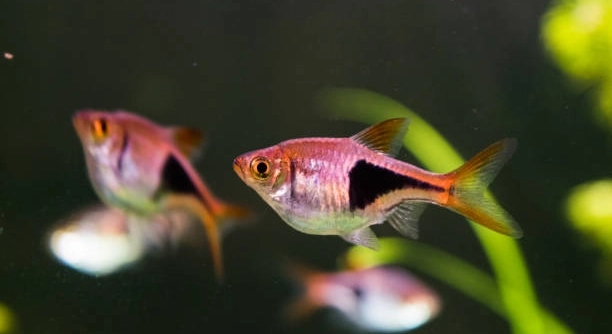
Setting up a rasbora tank can be a calming and beautiful hobby. These small, active fish add charm to any freshwater aquarium. Creating an interactive environment helps both the fish and the owner enjoy the tank more fully.
Making a rasbora tank interactive involves introducing elements that encourage natural behaviors and engagement. Providing plants, hiding spots, and varied swimming spaces supports their activity and wellbeing. Interaction can also include visual stimuli and gentle human presence to stimulate curiosity.
These simple additions can transform your aquarium into a lively and rewarding space for your rasboras and yourself.
Adding Live Plants for Natural Interaction
Live plants bring more than just beauty to a rasbora tank. They provide places for the fish to explore, hide, and rest. Plants create a natural environment that mimics the rasboras’ native habitats. This makes the fish feel safer and more comfortable. Plants also help improve water quality by absorbing nitrates and producing oxygen. Popular choices include Java fern, Anubias, and Cryptocoryne. These plants are easy to care for and don’t require strong lighting, making them ideal for rasbora tanks. By arranging plants at different heights, you can create layers that encourage swimming at various levels. This variety keeps the fish active and interested in their environment. Additionally, live plants can support tiny microorganisms that rasboras may feed on, adding to their natural behaviors.
Plants also soften the tank’s appearance, creating a peaceful scene that is enjoyable to watch.
Using plants effectively transforms the tank into a lively ecosystem where your rasboras thrive naturally.
Creating Hiding Spots and Swim Zones
Rasboras need safe places to retreat and open areas to swim freely.
Adding caves, driftwood, or rocks can offer shelter and reduce stress for the fish. These hiding spots also encourage natural exploration. Swim zones that are free from obstacles give rasboras space to dart and shoal. A balanced layout with both hiding areas and open spaces promotes healthy activity. This setup helps prevent boredom and supports their social behavior. Using smooth materials avoids injury, and ensuring enough space prevents overcrowding. Changing the layout occasionally can refresh their environment and keep the fish curious.
Strategic tank design fosters a dynamic environment that benefits both the fish’s wellbeing and your enjoyment of the aquarium.
Introducing Floating Toys and Decorations
Floating decorations add movement and interest to a rasbora tank. They can create shadows and shifting light that stimulate the fish.
Simple floating plants or lightweight ornaments give rasboras places to swim beneath and around. This variety in their environment encourages natural curiosity and exploration. Floating elements also break up open water, providing a more complex habitat. Some floating plants like duckweed or water lettuce require minimal care and help shade the tank. The gentle motion caused by water flow keeps these decorations dynamic. This movement attracts rasboras and keeps their behavior lively. Floating decorations add texture to the tank’s upper levels, balancing the space and creating a fuller, interactive experience for the fish.
Choosing safe, non-toxic floating items ensures the tank stays healthy and interesting.
Using Interactive Feeding Techniques
Changing how you feed rasboras can increase interaction and stimulation. Instead of just dropping food in one spot, spread it across different areas to encourage movement. Using feeding rings or floating feeders directs their activity and focus. This method also promotes natural foraging behaviors, which benefit their mental and physical health. Hand-feeding or using tweezers to place food gently near the fish can build recognition and trust over time. Offering a mix of live, frozen, and flake foods keeps their diet varied and engaging. These interactive feeding habits create positive moments and deepen your connection with your rasboras. Feeding becomes more than routine—it turns into an opportunity to observe and enjoy their playful nature. Adjusting feeding styles helps keep both you and your fish interested and active.
Adding Mirrors for Short Periods
Mirrors can spark curiosity in rasboras when used briefly. They often react to their reflection with increased activity and display natural behaviors.
It’s important to limit mirror time to avoid stress. Use mirrors for just a few minutes a day to keep the fish engaged without overwhelming them.
Creating Visual Barriers with Plants or Decorations
Visual barriers help rasboras feel secure and encourage natural movement through the tank. Breaking the line of sight with plants or decorations reduces stress and promotes exploration. These barriers mimic their natural habitat, offering places to hide and retreat. The variety in the tank layout keeps the environment stimulating and encourages healthy social behavior among the fish.
Using Gentle Water Movement
Gentle water flow can stimulate rasboras by creating currents to swim against. It mimics their natural environment and encourages activity without causing stress.
How often should I change the decorations or plants in my rasbora tank?
It’s best not to change decorations or plants too frequently, as rasboras get used to their environment. A good rule is to rearrange or introduce new elements every few months. This refresh keeps their habitat interesting without causing stress. Sudden or constant changes can confuse or frighten the fish, so keep adjustments gradual and minimal. If you add new plants, make sure they are well established before moving or trimming them. Slowly introducing new features helps rasboras feel secure while still offering variety in their tank.
Can I use artificial plants instead of live plants?
Artificial plants can be used, but they don’t offer the same benefits as live plants. Live plants improve water quality and support natural behaviors by providing food and shelter. Artificial plants can sometimes have sharp edges that may harm delicate rasbora fins. If you choose artificial, pick soft, smooth materials and clean them regularly to avoid algae buildup. They can add color and structure, but for the best interactive environment, live plants are generally preferred.
Is it okay to use a mirror every day for my rasboras?
Using a mirror occasionally can stimulate rasboras, but daily use is not recommended. Prolonged exposure to their reflection may cause stress or aggression. Keep mirror sessions short—just a few minutes a day—and observe the fish’s behavior. If you notice signs of distress, reduce or stop using the mirror. This tool works best as a temporary form of enrichment, not a constant fixture.
What kind of floating plants are safe for rasbora tanks?
Safe floating plants include duckweed, water lettuce, and frogbit. These plants provide shade and break up light, helping to reduce algae growth. Floating plants also add surface cover that rasboras enjoy swimming beneath. They don’t require strong light or special care, making them easy to maintain. Make sure to control their growth, as too many floating plants can block oxygen exchange and reduce swimming space.
How can I tell if my rasboras are stressed from tank changes?
Signs of stress include hiding more than usual, loss of appetite, clamped fins, or erratic swimming. If you notice these behaviors after changes, it might mean the fish need more time to adjust or that changes were too sudden. To reduce stress, keep water conditions stable and introduce changes slowly. Providing plenty of hiding spots can also help rasboras feel safe during transitions.
What is the best way to introduce new plants or decorations without stressing my fish?
Prepare new plants by rinsing them thoroughly to remove any chemicals or pests. Acclimate decorations by cleaning them and placing them in the tank gradually. Avoid dropping items suddenly into the water. Slowly rearranging the tank over several days allows rasboras to adapt. Watching their behavior closely during changes ensures you can intervene if stress appears.
Are there specific toys or objects that work well for rasbora interaction?
Rasboras respond well to simple, safe items like floating rings or gentle water wheels. Avoid anything sharp or heavy that could injure them. Natural objects like smooth driftwood or small caves encourage exploration. Toys should not disrupt water flow or take up too much swimming space. Keeping items minimal but varied helps maintain a balanced and stimulating tank environment.
How does water movement affect rasbora activity?
Gentle water movement mimics their natural habitat and encourages swimming against currents, which provides exercise. Strong currents can tire or stress rasboras, so adjust filters or pumps to create a mild flow. This helps oxygenate the water and prevents stagnant areas without overwhelming the fish. Proper water movement supports their health and keeps them active.
Is hand-feeding beneficial for rasboras?
Hand-feeding can build trust and increase interaction, but it’s not necessary for all tanks. Offering food gently near the fish encourages them to approach and recognize you. It can make feeding time more engaging and help monitor their health. Be careful not to startle them and keep feeding portions small to avoid overfeeding.
How do I keep my rasbora tank interactive without stressing the fish?
Balance is key. Introduce elements gradually, keep the environment stable, and observe fish behavior closely. Offer variety with plants, hiding spots, and feeding methods, but avoid overwhelming changes. Short periods of enrichment, like mirrors or floating toys, work best when used sparingly. Creating a calm, stimulating habitat will keep your rasboras active and healthy without adding stress.
Creating an interactive rasbora tank takes some planning, but it is well worth the effort. When you add live plants, hiding spots, and decorations, the tank becomes a more natural place for the fish. These elements help the rasboras feel safe and encourage them to swim and explore. Providing different levels in the tank with floating plants or varied decorations keeps their environment interesting. This variety helps the fish stay active and healthy. It also makes the tank more enjoyable for you to watch.
Changing how you feed your rasboras can add to their interaction as well. Spreading food in different spots or feeding by hand invites the fish to move and respond. This approach mimics their natural feeding habits and supports their mental well-being. Feeding time becomes a chance to observe their behavior closely. However, it is important not to overstimulate the fish with too many changes all at once. Slow adjustments and watching how the rasboras react help maintain a calm and comfortable environment.
Lastly, keep in mind that a happy rasbora tank is a balanced one. Avoid too much clutter or strong water flow that can stress the fish. Use mirrors or toys only for short times to keep the fish curious but not overwhelmed. Regularly monitor the tank’s conditions and the fish’s health to make sure everything is working well. With patience and attention, your rasbora tank can become a lively, peaceful, and interactive space that benefits both the fish and you. This simple care and thoughtful design create a rewarding aquarium experience.

Hello,
If you enjoy the content that we create, please consider saying a "Thank You!" by leaving a tip.
Every little bit helps us continue crafting quality advice that supports the health, happiness, and well-being of pets around the world, for pets of all shapes, sizes, and species.
We really appreciate the kindness and support that you show us!