
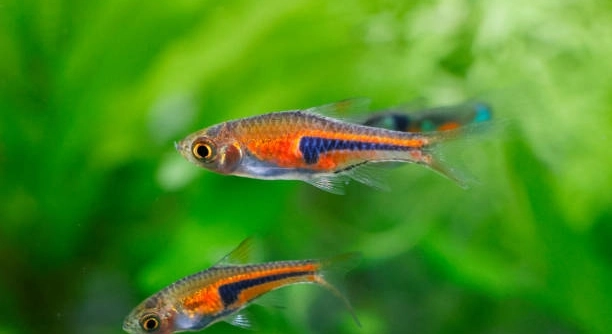
Rasboras are small, colorful fish often kept in home aquariums. Many fish owners enjoy watching their behavior and wonder how much these fish learn from their surroundings. Learning through observation is common in animals but less known in small fish like rasboras.
Research shows that rasboras do have the ability to learn by watching others. They can pick up on behaviors such as finding food or avoiding danger by observing fellow fish. This social learning helps them adapt quickly in their environment.
Understanding how rasboras learn can improve how we care for them and create a better environment for their well-being. There is more to discover about their behavior and social interactions in everyday aquarium life.
How Rasboras Observe Their Tank Mates
Rasboras spend a lot of time near each other, swimming in groups called shoals. This close contact allows them to watch the actions of their tank mates carefully. When one fish finds food, others often notice and swim over to eat as well. They also observe how others react to new objects or changes in the tank. For example, if one fish quickly swims away from something unfamiliar, others tend to follow, learning to avoid potential threats. This kind of learning helps rasboras stay safe and get food more efficiently. Watching each other is part of their natural behavior in the wild, and it continues in aquariums. It shows how even small fish can benefit from social interaction, making their environment less stressful and more predictable.
This observational learning supports their survival by reducing risks and improving feeding success.
By noticing how rasboras pick up habits from one another, we can better understand their social needs and create a tank setup that encourages natural behavior and cooperation.
The Importance of Social Learning for Rasboras
Social learning plays a key role in how rasboras adapt and thrive. When kept alone, these fish often become shy and stressed, which can affect their health and activity. Being part of a group allows them to share information and react faster to changes or dangers. This shared knowledge is especially useful for young or new fish in the tank. They learn faster by watching the older or more experienced fish, which helps them adjust to the environment more smoothly. When they observe how others find food or avoid harmful situations, they save time and energy that would be spent on trial and error. This efficiency is important for their well-being and longevity. Providing a group setting encourages this natural learning process and promotes healthier, happier fish. It also makes watching their behavior more interesting, as you can see how they influence each other in small but meaningful ways.
How Rasboras React to New Experiences
Rasboras often react quickly when something new enters their tank. They watch how others respond before deciding what to do. This cautious behavior helps them avoid danger.
When a new object or plant is placed in the tank, rasboras usually gather near it but don’t immediately interact. They observe the reactions of their group, waiting for a signal that it’s safe. If one fish approaches and shows no fear, others follow more confidently. This way, they learn together and avoid potential threats. Their natural curiosity is balanced by caution, which is important for survival. This social learning helps them adjust to changes without stress.
Watching this behavior makes it clear how much rasboras depend on each other’s signals. Their shared reactions create a sense of safety and trust within the group.
Teaching Rasboras New Behaviors
Rasboras can learn new actions if they see other fish doing them first. They copy behaviors like exploring different parts of the tank or reacting to feeding times. This shows they are capable of simple learning.
Introducing changes slowly and allowing experienced fish to model behavior helps new rasboras adjust more easily. For example, if one fish discovers a new type of food, others soon learn to accept it as well. Using this natural tendency can make caring for rasboras easier and more effective. It encourages healthy activity and reduces fear of new experiences. Observing these moments of learning can be rewarding and highlights the intelligence of these small fish.
Group Behavior and Learning
Rasboras rely heavily on group behavior to learn quickly. Their social nature makes them watch and imitate one another constantly. This helps them stay alert and safe.
Being in a group reduces stress and encourages natural behavior. Learning together strengthens their chances of survival.
Benefits of Watching Others in the Tank
Observing tank mates allows rasboras to conserve energy by avoiding unnecessary risks. Instead of testing dangers alone, they learn from others’ experiences. This shared knowledge leads to quicker adaptation and better feeding habits. Social learning is a vital part of their daily life, making them more resilient in new or changing environments.
Role of the Environment
The environment shapes how much rasboras can learn from each other. A well-decorated tank with hiding spots supports natural social interactions and encourages observation among fish.
Encouraging Social Learning
How do rasboras show they are learning from others?
Rasboras often copy behaviors such as following others to food or moving away from danger. When one fish explores a new area or reacts to something unusual, the rest watch carefully. If the first fish’s actions seem safe, others imitate them. This copying helps them learn faster than trying things alone. You might notice groups swimming together or suddenly changing direction after one fish acts. These small behaviors show they pay attention to each other and use what they see to decide their own actions.
Can rasboras learn from fish of other species?
Yes, rasboras can learn by watching fish of different species in the same tank. They tend to observe other peaceful fish and mimic behaviors like feeding times or how to avoid stress. However, the learning works best when the fish share similar habits and swim in groups. Aggressive or very different fish don’t usually influence rasboras in the same way. Watching calm species can help rasboras feel more comfortable and even teach them new ways to explore the environment safely.
How does social learning affect the health of rasboras?
Social learning plays a big role in rasboras’ well-being. When they observe and copy safe behaviors, they avoid stress and injury. For example, if one fish shows how to hide when the tank is disturbed, others learn to do the same. This reduces fear and helps keep their immune systems strong. Also, learning where to find food from others means less wasted energy searching alone. A group that learns together tends to stay healthier and more active, making them better pets.
Do young rasboras learn faster by watching adults?
Young rasboras do learn faster when they watch older fish. Adults act as role models, showing safe places to swim and the best spots for food. Young fish copy these actions, which helps them adapt quickly to the tank environment. Without adults, young rasboras may take longer to feel comfortable or find food. Observing experienced fish reduces trial and error, making growth and survival easier for the younger ones.
Can environmental changes affect how rasboras learn from each other?
Yes, changes in the tank can affect social learning. If new decorations or plants are added, rasboras watch each other’s reactions closely. A calm response encourages others to explore the changes. But if a few fish get stressed, the whole group may become cautious. A stable environment helps them learn better and feel safe. Sudden or frequent changes might slow down their ability to observe and copy behaviors, increasing stress and confusion.
Is it necessary to keep rasboras in groups for social learning?
Keeping rasboras in groups is important for social learning. Alone, they miss out on watching others, which can make them shy or stressed. Groups allow them to share information and feel secure. Even a small group of four or five can improve their learning and happiness. The social nature of rasboras means they rely on company to thrive, making group living essential for their natural behavior and development.
How can I encourage social learning in my rasbora tank?
Encouraging social learning means providing a comfortable group setting and a rich environment. Keep at least four rasboras together to promote interaction. Add plants, hiding spots, and open swimming areas to support natural behavior. Feed in consistent places and times so fish watch and learn feeding routines. Avoid sudden changes and aggressive tank mates that could stress them. Observing their interactions will help you see when they start copying behaviors and adapting well. A calm, structured tank helps social learning happen naturally.
Are there signs that rasboras are not learning well in the tank?
Signs that rasboras are struggling to learn include excessive hiding, lack of movement, or ignoring food. If they don’t respond to tank changes or seem fearful all the time, it might mean they are stressed or isolated. Fish kept alone or with aggressive tank mates often show poor social learning. A lack of group interaction reduces their chance to observe and copy safe behaviors. If you notice these signs, consider adding more rasboras or improving the environment to support their natural learning habits.
Rasboras are small fish that live better in groups because they learn from each other. Watching others helps them find food, avoid danger, and adjust to new things in their tank. This kind of learning is natural for them and makes their life less stressful. When rasboras see what other fish do, they copy behaviors that help them survive. It shows that even small fish are capable of social learning, which plays an important role in their daily lives.
Providing a good environment is key to helping rasboras learn from each other. A tank with enough space, plants, and hiding spots encourages fish to explore safely and observe one another. If the tank changes slowly and the fish stay in groups, they can watch and copy new behaviors easily. Keeping rasboras alone or with aggressive fish can stop this learning process and cause stress. By making sure the tank feels safe and stable, owners can help their fish stay healthy and active.
Understanding how rasboras learn by watching others helps us care for them better. It reminds us that these fish are social creatures who need company and a calm environment. Watching their interactions can be interesting and shows how much they rely on each other. Paying attention to their behavior and providing a good home supports their natural abilities. This simple knowledge can make a big difference in keeping rasboras happy and thriving in any aquarium.

Hello,
If you enjoy the content that we create, please consider saying a "Thank You!" by leaving a tip.
Every little bit helps us continue crafting quality advice that supports the health, happiness, and well-being of pets around the world, for pets of all shapes, sizes, and species.
We really appreciate the kindness and support that you show us!