
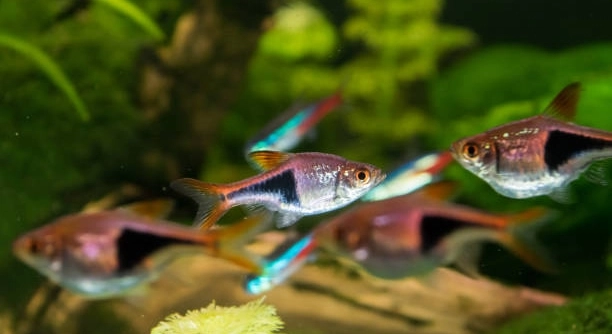
Rasboras are small, active fish often seen swimming in groups in home aquariums. Their behavior can be fascinating, especially when they start circling around objects in their tank. This curious action often catches the attention of many fish keepers.
Rasboras circle objects as a natural behavior related to exploration, territorial awareness, or social interaction within their environment. This circling helps them assess their surroundings, communicate with other fish, or feel secure by marking a familiar area.
Understanding why rasboras display this behavior can help aquarium owners create a more comfortable and engaging habitat for their fish. This article will explore the reasons behind their circling and what it means for their care.
Why Rasboras Circle Objects in Their Tank
Rasboras often circle objects like plants, rocks, or decorations in their aquarium. This behavior is mostly linked to their natural instincts. In the wild, they use circling to explore new areas and stay aware of potential dangers. Circling allows them to examine their surroundings carefully and decide if a spot is safe. It also helps them find places to hide or rest. Sometimes, circling is part of their social behavior. Rasboras swim together to establish territories or interact with other fish. This movement can also be a way to reduce stress by creating a familiar routine. When they feel comfortable, they often repeat these actions, which can look like a pattern to the observer. Providing enough space and hiding spots makes rasboras feel more secure and less likely to show anxious circling.
Rasboras circle objects to explore their environment and create a sense of security in their space.
Watching this behavior gives insight into their needs and how to make the tank more inviting for them.
Environmental Factors Affecting Circling Behavior
Lighting and tank setup affect how rasboras behave around objects.
Rasboras are sensitive to changes in their environment. Bright lights or sudden shifts in temperature can make them nervous. When stressed, they might circle objects more often, trying to find a safe spot. The tank layout also plays a role. If the tank is too small or lacks plants and decorations, rasboras may feel exposed. Circling helps them feel grounded and protected. On the other hand, a well-planted tank with plenty of hiding places encourages natural, calm behavior. Clean water and stable conditions reduce stress, which means less restless circling. Tankmates matter too—aggressive fish nearby can cause rasboras to seek shelter by circling objects. By adjusting these factors, you can help rasboras feel at ease and enjoy their home without excessive circling.
Social Behavior and Circling
Rasboras often circle objects as part of their social interactions. It helps them communicate with each other and establish group dynamics.
Circling can signal different things depending on the situation. In a calm tank, it may show playfulness or curiosity among the fish. When they are stressed or feeling threatened, circling might help reinforce group cohesion, making them feel safer together. This behavior also allows dominant fish to mark their presence without aggression. Watching how they circle can reveal the mood of the group and their social structure. It’s a subtle but important part of how rasboras live in harmony.
Group size affects circling too. Smaller groups may circle less because there is less need for social signaling. In larger schools, circling helps keep everyone connected and coordinated, reducing conflicts and confusion.
How Tank Setup Influences Circling
The shape and size of the tank influence how often rasboras circle objects. Tanks with tight spaces or few hiding spots increase circling behavior.
When the tank is cramped or lacks plants and decorations, rasboras have fewer places to explore or feel secure. This causes them to swim around the same objects repeatedly, which can look like nervous or restless circling. Larger tanks with varied structures give them room to spread out and engage in natural swimming patterns without feeling trapped. Proper tank setup reduces stress and creates a balanced environment where circling happens naturally, not out of discomfort. Adding smooth surfaces and open swimming areas helps rasboras move more freely and lowers excessive circling caused by limited space.
Signs of Stress in Rasboras
Circling can sometimes indicate stress, especially if it becomes repetitive or frantic. Stress may arise from poor water quality, overcrowding, or aggressive tankmates.
Recognizing stress early helps prevent health problems. Watch for other signs like faded colors, loss of appetite, or hiding more than usual.
Impact of Diet on Behavior
A balanced diet supports overall health and calm behavior in rasboras. Poor nutrition can make them restless or more prone to circling as a sign of discomfort.
Feeding high-quality flakes or pellets along with occasional live or frozen foods provides essential nutrients. Proper feeding schedules also keep them active but relaxed. A healthy diet strengthens their immune system and reduces stress-related behaviors.
Breeding and Circling
During breeding, rasboras may circle objects more as part of their courtship and territory marking. This behavior helps them prepare a safe place for eggs and signals readiness to mates.
Providing suitable surfaces like plants or smooth stones supports this natural activity.
FAQ
Why do rasboras circle objects instead of swimming freely?
Rasboras circle objects as a way to explore and feel secure in their environment. Objects give them landmarks to navigate around, which helps reduce stress. Circling can also be a form of social behavior or territory marking. When there is limited space or few hiding spots, circling becomes more noticeable.
Is circling a sign of illness in rasboras?
Not always. Circling can be normal, but if it is repetitive and frantic, it might signal illness or stress. Look for other signs like lethargy, loss of appetite, or discoloration. Poor water conditions or parasites can cause unusual behavior. Testing water quality and observing overall health is important.
Can tank size affect how much rasboras circle objects?
Yes. Smaller tanks with fewer decorations limit their movement and places to hide. This can cause rasboras to swim around objects repeatedly. Larger tanks with plenty of plants and hiding spots allow more natural swimming and reduce excessive circling.
Do rasboras circle objects more when they are stressed?
Yes. Stress from overcrowding, aggressive tankmates, or sudden environmental changes can make rasboras circle objects more often. Circling helps them create a safe zone. Reducing stressors like improving water quality and adding shelter usually lowers this behavior.
Will adding more plants or decorations stop rasboras from circling?
Adding plants and decorations can reduce circling caused by stress or boredom. These provide hiding places and make the environment more interesting. However, some circling is natural, especially related to social interaction or exploration, so it won’t disappear completely.
How does the presence of other fish affect rasbora circling behavior?
Tankmates influence rasbora behavior. Peaceful fish help rasboras feel secure, leading to calmer swimming. Aggressive or overly active fish may cause rasboras to circle objects more as a coping strategy. Matching compatible species improves overall behavior and reduces anxiety-driven circling.
Is circling related to breeding behavior?
Yes. During breeding, rasboras circle objects as part of courtship and territory establishment. Males often choose spots to attract females and prepare areas for egg-laying. This behavior is natural and usually temporary during the breeding season.
Can diet influence how often rasboras circle objects?
A healthy diet helps keep rasboras calm and active. Poor nutrition may increase restlessness and circling as a stress response. Feeding a balanced mix of flakes, pellets, and occasional live foods supports their energy needs and reduces unusual behavior caused by nutritional deficiencies.
Should I be worried if my rasboras circle objects a lot?
Not always. Occasional circling is normal. However, if it becomes constant and is paired with other signs of stress or illness, it’s important to check water quality, tank conditions, and diet. Making improvements can help rasboras feel safer and reduce excessive circling.
How can I create a tank environment that reduces unnecessary circling?
Provide a spacious tank with plenty of plants, rocks, and hiding spots. Keep water clean and stable, avoid overcrowding, and choose peaceful tankmates. A well-maintained environment makes rasboras feel secure and lowers the need for repetitive circling. Regular observation helps spot changes early.
Final Thoughts
Rasboras circling objects is a natural behavior that serves many purposes. It helps them explore their environment, feel safe, and communicate with other fish. This action can sometimes be a way for them to mark their territory or prepare for breeding. While it may seem unusual to watch, it is usually a sign that the fish are adjusting to their surroundings. Understanding this behavior gives insight into their needs and helps in creating a comfortable tank setup.
Sometimes circling can indicate stress, especially if it becomes repetitive or frantic. Stress in rasboras can come from many sources such as poor water quality, overcrowding, or aggressive tankmates. When they feel threatened, circling objects may be a way to cope and find security. It is important to watch for other signs like changes in appetite or color to identify if they are healthy. Making sure the tank is clean, well-planted, and offers enough space can help reduce stress and unwanted behavior.
Taking care of rasboras means paying attention to their environment, diet, and social needs. Providing a balanced diet and a well-planned tank setup encourages calm and natural behavior. Adding plants and decorations not only beautifies the tank but also helps fish feel more secure. Observing their circling behavior can guide improvements to their habitat and overall care. By meeting their basic needs, rasboras can thrive and show the peaceful, graceful swimming that makes them popular aquarium fish.

Hello,
If you enjoy the content that we create, please consider saying a "Thank You!" by leaving a tip.
Every little bit helps us continue crafting quality advice that supports the health, happiness, and well-being of pets around the world, for pets of all shapes, sizes, and species.
We really appreciate the kindness and support that you show us!