
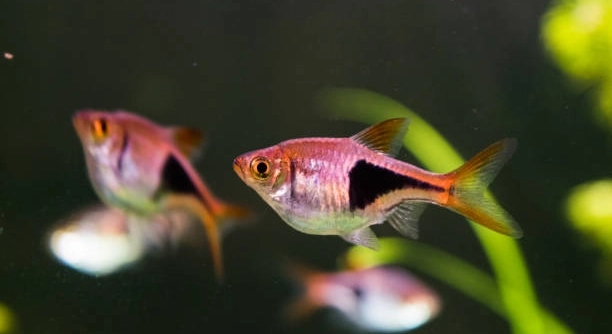
Rasboras are small, colorful fish often kept in home aquariums. Their behavior and learning abilities have fascinated many fish enthusiasts. Understanding whether they can remember specific places helps improve how we care for them.
Research shows that rasboras have a capacity for spatial memory, allowing them to recognize and remember specific locations in their environment. This ability helps them navigate, find food, and avoid danger, demonstrating a form of learning important for their survival.
Exploring how rasboras use memory in their daily lives sheds light on their behavior and needs in captivity and the wild. This knowledge supports better aquarium practices and enhances their well-being.
How Rasboras Use Their Memory
Rasboras rely on memory to navigate their surroundings, which is crucial for their survival in both the wild and aquariums. They learn to recognize landmarks such as plants, rocks, or decorations and use these to find food or avoid threats. This spatial memory allows them to establish territories and remember safe spots. In aquariums, consistent placement of objects can help rasboras feel more secure. Their ability to remember specific places shows a level of intelligence that supports their natural behaviors. Over time, rasboras adapt to their environment by recalling locations that offer shelter or food. This memory also helps reduce stress since familiar spaces provide comfort. Observing this behavior can improve how we set up tanks to encourage natural activity and promote their well-being. Their memory skills make them more than just simple swimmers; they interact with their environment in meaningful ways.
This memory helps rasboras stay safe and find food efficiently.
By understanding how rasboras remember their surroundings, aquarium owners can create environments that feel secure and natural. Keeping tank decorations consistent and providing hiding spots encourages exploration and comfort. Such care respects their learning abilities and helps reduce stress, supporting healthier, more active fish.
Factors That Affect Place Memory in Rasboras
Environmental stability plays a major role in how well rasboras remember specific places. Changes to the tank setup, such as moving plants or decorations, can confuse them. Consistency helps reinforce their memory.
Stress, caused by overcrowding or sudden changes, may reduce their ability to remember places clearly. If they feel threatened, their focus shifts to immediate survival rather than learning the environment. Additionally, age and health can affect memory performance. Older or sick fish might show less recognition of familiar areas. Water quality also influences cognitive function; poor conditions can impair their memory and behavior.
Maintaining a stable, clean, and calm environment supports their natural learning and memory. When tanks are set up thoughtfully, rasboras can use their spatial skills effectively, leading to a more balanced and comfortable life. Understanding these factors helps owners provide better care and promotes the overall well-being of these intelligent fish.
Recognizing Familiar Places
Rasboras quickly learn to identify specific spots within their tank, especially those linked to food or safety. This recognition helps reduce stress and encourages natural behavior.
Familiar places provide rasboras with a sense of security. When their environment remains stable, they remember the locations of hiding spots and feeding areas. This memory allows them to swim confidently and avoid danger. It also supports social interactions among the fish, as they use known territories to communicate. Changing the tank layout often can disrupt this pattern, causing confusion or anxiety. Maintaining consistency helps them thrive.
Their ability to recognize specific places reflects their adaptive skills. This memory supports daily activities and overall health. Providing a stable environment benefits their mental well-being and helps them express natural instincts.
Training Rasboras to Remember Locations
Rasboras respond well to consistent feeding routines and environmental cues. Repeating these patterns helps strengthen their memory of specific places.
Using visual landmarks or placing food in the same spot encourages rasboras to return to familiar locations. Over time, they associate these spots with positive experiences. Training can involve gently guiding them or placing food near decorations. This repetition builds confidence and reduces stress in the tank. However, patience is necessary since fish learn at different rates. Avoid sudden changes, as this can interrupt their learning process and increase anxiety.
Supporting their memory through routine and stable surroundings enhances their quality of life. It makes caring for rasboras more rewarding and creates a peaceful tank environment.
Signs Rasboras Remember Their Environment
Rasboras often return to the same spots after exploring. This behavior shows they recall their surroundings and feel comfortable in familiar places.
They may also swim confidently near known hiding spots or feeding areas. These actions reflect their memory and help reduce stress in the tank.
Improving Memory Through Tank Setup
A well-organized tank with clear landmarks supports rasboras’ spatial memory. Objects like plants, rocks, or decorations placed consistently help fish navigate easily. This setup encourages exploration while providing safe zones. Regular feeding in the same location strengthens their place recognition. Avoiding frequent changes allows rasboras to build reliable memories, which promotes natural behavior and reduces anxiety.
Memory Limits in Rasboras
While rasboras have good spatial memory, it is not unlimited. They may forget places if the environment changes too often.
FAQ
How long can rasboras remember specific places?
Rasboras can remember specific places for several days or even weeks if their environment remains consistent. Their memory helps them navigate and find food, but frequent changes to the tank can disrupt this ability. Keeping decorations and feeding spots steady supports longer-lasting memory.
Can rasboras be trained to recognize new locations?
Yes, rasboras can be trained to recognize new locations, mainly through repetition. Placing food consistently in a new spot or adding new decorations helps them learn these areas. Training requires patience and a calm environment to avoid stress and confusion.
Do all types of rasboras have the same memory ability?
Memory abilities can vary slightly among rasbora species, but most share similar spatial memory skills. Factors like tank size, environment complexity, and stress levels influence their learning capacity more than species differences.
What factors negatively affect rasbora memory?
Stress from overcrowding, poor water quality, and frequent changes in the tank layout reduce memory effectiveness. Illness and age also affect how well rasboras remember places. A stable, clean environment helps maintain their cognitive function.
How can I tell if my rasbora remembers its tank?
You can observe if your rasbora returns to certain hiding spots or feeding areas consistently. Confident swimming around familiar landmarks and less frantic behavior often indicates good memory and comfort with their surroundings.
Does tank size impact their ability to remember places?
Tank size affects how much space rasboras need to explore and remember. Smaller tanks with fewer landmarks may limit their spatial memory, while larger tanks with varied features encourage learning and exploration.
Is it harmful to change the tank setup frequently?
Frequent changes cause stress and confusion, disrupting rasboras’ ability to remember places. Stability in tank setup helps them feel safe, reducing anxiety and promoting natural behaviors. If changes are needed, making them gradually helps the fish adjust.
Can rasboras remember other fish or only places?
While rasboras mainly remember places, they also recognize familiar tank mates to some extent. Social memory helps establish hierarchies and reduce conflict. However, their spatial memory is stronger and more important for survival.
How does feeding routine affect their memory?
A consistent feeding routine helps rasboras associate certain locations with food. This strengthens spatial memory and reduces stress by creating predictable patterns. Irregular feeding can cause confusion and anxiety, affecting their behavior and memory.
What signs indicate memory loss in rasboras?
Signs include increased hiding, erratic swimming, or failure to find usual spots. Fish may seem confused or stressed when familiar landmarks are moved or removed. Poor water conditions and illness can also mimic memory problems.
Are young rasboras better at remembering places than older ones?
Younger rasboras typically learn and remember places more quickly due to better brain plasticity. Older fish may show slower learning or some decline in memory, but a stable environment can help maintain their abilities longer.
Can stress erase a rasbora’s memory completely?
Stress can impair memory temporarily but rarely erases it completely. Reducing stress through good care and a stable tank allows fish to regain normal memory function. Chronic stress, however, can have long-term negative effects.
Does lighting influence their memory?
Lighting helps rasboras recognize colors and landmarks. Consistent lighting supports better memory by making their environment easier to identify. Sudden changes in light levels may cause disorientation or stress.
How important is water quality for memory?
Good water quality is crucial for cognitive health. Poor water conditions can cause lethargy, stress, and impaired memory. Regular maintenance ensures rasboras stay healthy and able to learn their surroundings effectively.
Can rasboras remember danger zones?
Yes, rasboras learn to avoid areas linked to threats, such as aggressive tank mates or rough water flow. This memory helps them survive by steering clear of risky spots in their environment.
Final Thoughts
Rasboras have a surprising ability to remember specific places in their environment. This skill helps them find food, stay safe, and feel comfortable in their tanks. Their memory allows them to learn and recognize landmarks like plants, rocks, or decorations. When these remain consistent, rasboras feel more secure and behave more naturally. Changing the tank layout too often can confuse them and increase stress. By keeping their surroundings stable, we support their well-being and help them thrive.
The ability of rasboras to remember places is linked to many factors. A calm, clean environment with good water quality supports their memory and overall health. Stress from overcrowding, illness, or sudden changes can reduce how well they remember locations. Regular feeding routines in the same spots also help reinforce their memory. Older or less healthy fish might show weaker memory, but gentle care can make a difference. Understanding these needs improves how we care for rasboras and encourages positive behavior.
Overall, the place memory of rasboras highlights their intelligence and adaptability. They are not just simple fish swimming aimlessly but creatures capable of learning and adjusting to their environment. Recognizing this helps us provide better homes for them, creating a stable and enriching aquarium. Paying attention to their memory needs can lead to healthier, happier fish and a more enjoyable experience for those caring for them. It is worth considering these factors to support rasboras in every tank.

Hello,
If you enjoy the content that we create, please consider saying a "Thank You!" by leaving a tip.
Every little bit helps us continue crafting quality advice that supports the health, happiness, and well-being of pets around the world, for pets of all shapes, sizes, and species.
We really appreciate the kindness and support that you show us!