
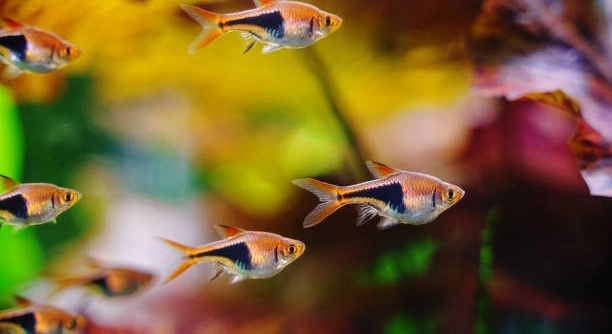
Have you ever watched your rasboras closely and noticed how they sometimes seem oddly interested in what you’re doing nearby?
Rasboras show curiosity through specific behaviors such as following your movements, investigating changes in their tank, and responding to your presence near the glass. These actions reflect their natural awareness and mild social tendencies.
These small behaviors reveal more than you might expect and help build a better understanding of your rasbora’s active, alert nature.
They Follow Your Movements Closely
When rasboras swim toward you as you walk by, it’s not just coincidence. These fish are known for being aware of motion and light changes outside their tank. If you regularly interact near their aquarium, they’ll likely begin to associate your presence with food or something changing in their environment. Over time, this leads to a natural curiosity that draws them closer whenever you’re around. It’s a learned behavior based on observation and repetition. Some rasboras even begin to move in sync with your actions, especially if you feed them at consistent times or tap gently on the glass.
This behavior is an indication of recognition and anticipation. Your rasboras are paying attention and responding in their own way.
Their ability to track movement outside the tank shows how alert they really are. It helps them connect you with regular routines like feeding or cleaning without needing a strong stimulus.
They Explore New Objects in the Tank
Rasboras show immediate interest when something new appears in their environment.
Whether it’s a new plant, a rearranged decoration, or a temporary divider, rasboras react by swimming toward and around the object. This type of inspection is driven by their natural instincts to stay aware of potential food, safety, or changes in territory. When you introduce something unfamiliar, you’ll often see them dart over quickly, circling or pausing near it for several seconds. If the object remains, they eventually treat it as part of the background. But in those first moments, their attention is clear and consistent. This behavior suggests they actively monitor their space and are sensitive to change, especially when it’s visually or physically different. They may even interact with the same object multiple times in the first hour, suggesting short-term memory involvement. Watching how they react can tell you a lot about their comfort level and how they adapt to minor disruptions.
They React to Your Voice and Sounds
Rasboras may not have external ears, but they respond to sound vibrations in the water. Sudden noises, soft tapping, or your voice near the tank can cause them to shift direction, pause, or swim erratically.
These reactions are tied to their lateral line system, a sensory organ that detects vibrations and movement in water. When you speak near the tank or make repetitive sounds, rasboras often adjust their behavior—either by freezing briefly or moving away from the disturbance. With repeated exposure to soft, consistent tones like your voice, they may begin to associate that sound with calm or food. It’s not a deep emotional response, but rather a recognition of routine. Their sensitivity to low-frequency noise helps them stay alert to predators or changes, and over time, they can become more tolerant of familiar sounds. Watching how they respond gives a subtle clue to their awareness of your presence.
In tanks with regular human interaction, rasboras often become less reactive to routine sounds. They may still flinch at sudden claps or bangs, but quieter noises like humming or talking are eventually ignored. If they consistently show up when you speak, it could be a soft link between your voice and feeding or movement near the tank.
They Gather When You Approach
Rasboras often swim toward the front of the tank as soon as they notice you nearby. This grouping is usually more active when they expect food.
Over time, rasboras begin to associate your physical presence with positive outcomes like feeding or changes in lighting. Their swimming pattern changes—moving closer to the surface or toward the tank’s front panel. Some may fan out slightly but still remain directed toward you. If they see you at the same time each day, they might adjust their routine, waiting near the area where food usually enters. This behavior isn’t about affection, but about awareness and conditioning. It’s a visible sign of anticipation. Even if you’re just walking by without food, they may still approach, showing how tuned in they are to your daily habits and how quickly they form simple associations with you as part of their routine.
They Hover Near Your Hand During Tank Maintenance
When you clean or adjust decorations inside the tank, rasboras often linger nearby instead of hiding. This shows curiosity rather than fear, especially if they’re used to your presence and movements.
They may swim around your hand or pause close by, observing each action. This mild investigation reflects how comfortable they’ve become with your role in their environment.
They Inspect Food Before Eating It
Rasboras don’t just rush in to eat; they often pause, circle, and look at food before taking it. This behavior helps them assess safety and freshness. It’s more noticeable when you introduce something new, like a different pellet or live food. They seem to recognize changes quickly and act accordingly. Even when they accept the new item, you may notice initial hesitation or slower movement. This shows awareness of their surroundings and habits, which includes connecting your hand or the food dropper with changes in taste, smell, or color. Their reaction can vary slightly by group, but most rasboras take a moment to evaluate before they eat.
They Watch From a Distance
If you stay still near the tank, rasboras often line up or float calmly, keeping you in view. It’s a quiet, observant behavior.
FAQ
Do rasboras recognize their owners?
Rasboras don’t recognize owners the way mammals do, but they can associate your presence with specific outcomes, like feeding. Over time, they become familiar with your movements, your voice, and your daily routine around the tank. This familiarity can lead to them approaching the glass when you’re nearby. They’re responding more to repeated patterns than to personal recognition. If you’re consistent with feeding or maintenance, they will notice and adjust their behavior accordingly. Their attention is based on habit and simple association, not memory of your face or emotional connection.
Why do my rasboras gather at the front of the tank?
This is often a sign of anticipation, especially if it happens around feeding times. Rasboras remember when and where food is delivered. When they see movement or shadows near the tank, they swim toward the front and top. It’s their way of positioning themselves early. They may also associate certain actions, like lifting a lid or tapping the glass, with the start of feeding. Even if it’s not feeding time, they may still respond this way out of habit. It’s a clear reflection of how aware and observant they are of their environment.
Do rasboras get bored or need stimulation?
Yes, rasboras benefit from a dynamic tank setup. While they’re not complex thinkers, they still respond well to visual and spatial changes. Adding live plants, driftwood, or rearranging decorations can keep them active and curious. A varied diet also encourages movement and attention during feeding. They do best in groups, and social interaction among rasboras keeps them mentally stimulated. If the tank stays the same for too long, they may become less active. Introducing safe changes can spark new exploratory behavior. Even small changes in lighting or water flow direction can make a noticeable difference.
How can I tell if my rasboras are stressed or just curious?
Curious behavior looks calm and controlled—such as slow circling, hovering, or short bursts of swimming toward new objects. Stressed rasboras act differently. You may notice rapid swimming, hiding, clamped fins, or pale coloring. They may also stay at the bottom or near the surface, avoiding open space. If you’ve just cleaned the tank or introduced something new, give them time to adjust. If the behavior continues or worsens, check water parameters and tank mates. Clear curiosity will usually shift back to normal swimming after a few minutes, while stress behavior tends to linger or escalate.
Is it okay to interact with rasboras outside of feeding time?
Yes, light interaction is fine. Simply sitting or standing near the tank, moving slowly, or speaking softly can all be positive stimuli. They’re sensitive to vibrations and motion, so avoid sudden loud noises or quick gestures. Gently tapping near the same area during feeding time can also build association, but limit tapping to avoid stress. Over time, they’ll recognize and adapt to your presence during different parts of the day. Repetition and consistency are helpful if you want them to stay comfortable around you.
Do rasboras show curiosity toward other fish?
Rasboras are naturally social and often observe other fish in their environment. When housed with peaceful tank mates, they may swim near or follow them out of interest. This can happen more often if the other fish are feeding or moving in ways that signal activity. However, they may become shy or hide if housed with aggressive or fast-moving species. Watching rasboras interact with others can help you gauge whether they’re engaged or cautious. Always monitor group dynamics, especially after adding new fish, to ensure their curiosity doesn’t shift into stress.
Final Thoughts
Rasboras may be small, but their behavior reveals a lot about how they interact with their surroundings. When you take time to observe them, it becomes clear they are more than just active swimmers. Their curiosity shows through in many ways—following your movements, responding to sounds, and gathering when you come near. These behaviors are not random. They reflect how rasboras respond to routine, learn patterns, and adapt to changes in their environment. If you maintain a consistent presence around their tank, you’ll likely notice more of these actions, and over time, they can become more predictable and familiar.
Curiosity in rasboras often comes down to comfort and repetition. They’re not showing affection, but they are reacting to patterns that make sense to them. That’s why your voice, hand movements, or feeding tools become part of their daily awareness. The more consistent you are, the more confident they become. A peaceful tank with gentle lighting, regular feeding times, and a few rearranged decorations now and then can bring out their natural alertness. Even something as small as tapping a feeding lid or using the same container can help them connect the activity to you. These small interactions help you understand your fish better.
Noticing and understanding these subtle behaviors can make your care routine more meaningful. You begin to see that rasboras aren’t just reacting out of instinct—they’re responding to their environment with a level of awareness that often goes unnoticed. Recognizing these signs of curiosity doesn’t just help with bonding; it also helps you catch changes in behavior early, which can be useful for spotting health or stress issues. Whether you’re cleaning their tank or just passing by, rasboras are always observing. Their quiet interest in what you do is one of the small but rewarding parts of keeping them.

Hello,
If you enjoy the content that we create, please consider saying a "Thank You!" by leaving a tip.
Every little bit helps us continue crafting quality advice that supports the health, happiness, and well-being of pets around the world, for pets of all shapes, sizes, and species.
We really appreciate the kindness and support that you show us!