
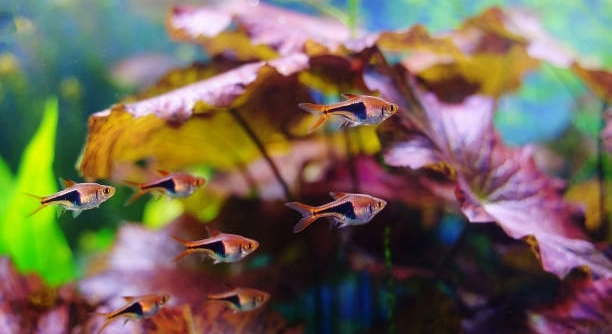
Have you ever watched your rasboras closely and noticed how they seem to react to small changes in their environment?
Rasboras test the water through their behavior, such as sudden darting, color changes, or hovering near the surface. These responses can indicate poor water quality, low oxygen levels, or imbalances in temperature or pH levels.
Understanding these subtle behaviors can help you respond early and keep your aquarium balanced and your fish healthy.
Rasboras Dart Around When Ammonia Levels Rise
Rasboras often dart around quickly or swim erratically when ammonia levels in the water are too high. This reaction is one of the clearest signs that something is wrong with the tank conditions. Ammonia irritates their gills and affects their ability to breathe properly. If you notice your rasboras behaving this way, test the water immediately. A water change and checking your filtration system are important next steps. High ammonia levels can happen if there’s too much leftover food, decaying plant matter, or a buildup of waste. Regular tank maintenance helps prevent these problems. Always monitor your water parameters using a reliable test kit. Acting early can protect your rasboras from long-term harm. This type of swimming behavior is a silent signal you should not ignore.
Fast swimming is often their way of saying something is off. It’s one of the first signs of ammonia stress.
Once the water is balanced again, rasboras usually return to calm swimming. They feel safest in a clean, stable environment. Watching their energy levels and swimming patterns regularly can help you notice changes early. This is especially important if you keep them in a community tank. Rasboras are sensitive fish, and clean water is key to their health.
Hovering at the Surface Shows Low Oxygen
Rasboras swimming near the surface may not be relaxing — they’re likely struggling to get enough oxygen.
In tanks with low oxygen levels, rasboras may spend more time near the water’s surface, where oxygen concentration is slightly higher. This behavior is common in overcrowded tanks, poorly ventilated aquariums, or when the water temperature is too warm. Warmer water holds less oxygen, which puts extra stress on fish that rely on steady breathing. If your rasboras are often seen near the top, check the temperature, and ensure the filter is working well. Adding an air stone or increasing surface agitation can also help. These simple changes restore proper oxygen flow and keep your fish healthier. It’s also helpful to avoid overfeeding, since leftover food can contribute to lower oxygen and poor water quality. When oxygen levels improve, rasboras will naturally return to their usual mid-tank zone. Observing this behavior can give you an early warning before more serious health problems develop.
Color Fading Signals Water Imbalance
When rasboras lose their bright coloring, it often means the water conditions are off. Color fading usually happens when pH, temperature, or hardness levels shift beyond what they’re used to. Stress caused by poor water quality affects how their bodies function.
A sudden drop in pH or a sharp temperature change can stress your rasboras and cause their natural colors to fade. These fish rely on stable water conditions to stay vibrant and healthy. If you notice duller shades, it’s important to test the water right away. A slightly acidic pH (around 6.5) and consistent temperature near 75°F are ideal for them. Even slight shifts outside their comfort range can weaken their immune system. Besides testing water regularly, avoid sudden changes when doing water changes. Try to match the temperature and treat the water beforehand to reduce shock.
Poor lighting and a lack of hiding spots can also add to stress, making their colors fade faster. Rasboras feel secure when they have enough cover and a stable environment. A stressed fish might also eat less, which impacts their overall health and appearance. Balanced feeding, regular tank upkeep, and consistent lighting help maintain their vibrant look. Pay attention to changes in color, as it’s often the first visible sign of discomfort.
Clamped Fins Can Mean Poor Water Quality
Clamped fins are when a rasbora’s fins stay tightly folded against its body instead of spreading out. This usually signals stress from poor water conditions or the early stages of illness. It’s a warning sign that something in the tank needs attention.
Dirty water, unstable temperature, or high nitrate levels often lead to clamped fins. Rasboras are sensitive to their environment, and any chemical imbalance in the tank affects their comfort. If you notice this change, check the water quality immediately and perform a partial water change if needed. Make sure ammonia and nitrite levels are at zero and nitrates stay low. Water changes, gentle filtration, and consistent testing all help prevent stress. Clamped fins can also appear if a rasbora feels threatened, so make sure there’s enough space and cover. Soft plants or driftwood give them places to rest and feel secure. These small changes often bring quick improvement when caught early.
Gasping After Feeding Indicates Waste Buildup
If rasboras gasp or swim rapidly after feeding, it may mean leftover food is affecting the water quality. Uneaten food quickly breaks down and raises ammonia and nitrite levels, leading to stress. Clean up excess food right after feeding to avoid this problem.
Feeding too much at once can overload the tank’s filtration system. Rasboras only need small portions, and frequent overfeeding leads to unhealthy spikes in waste. Stick to feeding what they can finish in a couple of minutes.
Scraping Against Objects Shows Irritation
Rasboras that rub or scrape their bodies against rocks or decorations may be trying to relieve skin discomfort. This can happen when there are parasites or when water contains irritants like high chlorine or incorrect pH. Immediate water testing and treatment are needed to reduce stress and prevent illness.
Floating Debris Can Trigger Skittish Behavior
Floating particles in the water may cause rasboras to act more jumpy or startled. This behavior often appears in tanks that haven’t been cleaned recently or are overdue for filter maintenance. Clear water and a calm environment help rasboras stay relaxed and healthy.
FAQ
How often should I test the water in a rasbora tank?
It’s best to test the water at least once a week. This helps you catch any changes before they affect your rasboras. Focus on ammonia, nitrite, nitrate, pH, and temperature. During illness, sudden behavior changes, or after a water change, test more often to stay ahead of any problems. Consistent testing creates a safer environment and makes it easier to notice patterns in water quality. Use liquid test kits for the most accurate results. Strip tests may be quicker but can miss subtle shifts.
What water conditions do rasboras need to stay healthy?
Rasboras thrive in soft, slightly acidic water. Aim for a pH between 6.0 and 7.0, and keep the temperature between 73°F and 78°F. They also prefer low to moderate hardness. Good filtration, steady temperature, and clean water help support their immune system and stress levels. Avoid sharp fluctuations in water parameters, especially during water changes. They also benefit from gentle water flow and dim lighting. These fish are sensitive, so stable conditions are better than perfection. A calm, steady environment makes them feel safe.
Why are my rasboras hiding all the time?
Constant hiding can be a sign of stress, poor water quality, or lack of security in the tank layout. If rasboras don’t feel safe, they will retreat to shaded or hidden areas. Double-check your water parameters and look at how the tank is set up. Bare tanks without plants or decorations leave them exposed, which makes them uneasy. Add soft plants, floating cover, or driftwood to give them shelter. Also, make sure there are enough of them—rasboras are schooling fish and need a group of at least six to feel confident.
Can rasboras get sick from poor water quality?
Yes, poor water conditions are one of the most common causes of illness in rasboras. High ammonia, nitrite, or nitrate levels weaken their immune system and can cause fin rot, ich, or skin irritation. Long-term exposure to poor water also increases stress, making it harder for them to fight off infections. Maintaining clean water, feeding properly, and checking the filter regularly help prevent most problems. When caught early, many issues caused by water quality can be reversed with prompt care.
Do rasboras act differently when they are sick?
Sick rasboras often show changes in behavior or appearance. They may swim alone, stop eating, gasp for air, or stay near the surface. Others may clamp their fins or flash (scrape against objects). Physical signs can include color fading, spots, swelling, or ragged fins. These symptoms usually mean something is wrong with the water or they’ve picked up a parasite or infection. Separate any fish showing severe symptoms and begin testing your water immediately. Quick action often makes a big difference.
What’s the best way to prevent water quality problems?
Do partial water changes every week, clean the filter monthly, and avoid overfeeding. Use a gravel vacuum to remove waste during water changes. Make sure your tank is properly cycled before adding fish. Quarantine new plants and fish before placing them in the main tank to avoid introducing unwanted bacteria or parasites. Avoid overcrowding, as it increases waste and stress. Keep a maintenance routine, and write down test results so you can spot trends. Prevention is easier than fixing a serious water issue later.
How do I know if the tank is cycled?
A cycled tank will have zero ammonia and nitrite, and low nitrates (under 20 ppm). Cycling means that good bacteria are established and can break down waste safely. If your tank is new, it may take four to six weeks to fully cycle. Test regularly, and don’t add too many fish at once during this time. Use ammonia sources like fish food or bottled ammonia to help grow the bacteria if cycling without fish. Once the cycle is complete, your rasboras will have a safer home.
Final Thoughts
Rasboras are peaceful fish that thrive in clean, balanced water. They are sensitive to changes, and their behavior often reflects the health of their environment. By watching for signs like darting, clamped fins, color fading, or gasping at the surface, you can catch problems early. These signals are small but important. Understanding them helps you act before the issue becomes serious. Good water quality supports their health, color, and natural behavior. Once they feel safe, rasboras swim more calmly and interact more with their group. They also become more active during feeding and show off their true colors.
Maintaining their tank does not have to be difficult. Weekly water testing, small water changes, and proper feeding can make a big difference. It’s also helpful to keep the tank well-planted and provide hiding spots to reduce stress. Stable temperature, low nitrates, and gentle filtration all support a healthy setup. When you stay consistent with care, rasboras usually remain active and healthy. Their behaviors give you valuable clues, so paying attention to their habits is worth the time. Healthy rasboras will swim together calmly, eat regularly, and show no signs of distress.
Keeping rasboras is a rewarding experience when you understand their needs. Clean water is the most important part of their care. Each small detail, like testing your water, adjusting your filter, or feeding the right amount, helps build a stable home for them. Watching your rasboras swim comfortably and respond positively to their environment is a clear sign you’re doing things right. Even small tanks can be successful when cared for properly. If you respond to changes quickly and stay on top of your routine, your rasboras will continue to thrive. With a little attention and care, you can enjoy a peaceful, balanced aquarium for years to come.

Hello,
If you enjoy the content that we create, please consider saying a "Thank You!" by leaving a tip.
Every little bit helps us continue crafting quality advice that supports the health, happiness, and well-being of pets around the world, for pets of all shapes, sizes, and species.
We really appreciate the kindness and support that you show us!