
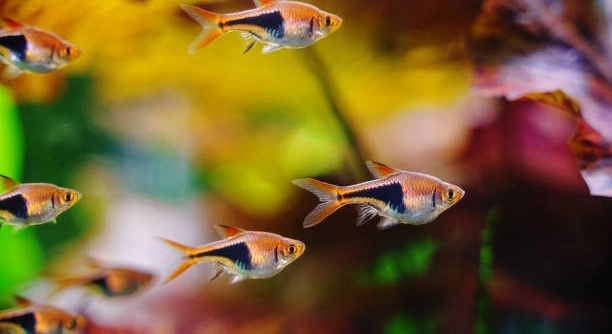
Rasboras are small, colorful fish often kept in home aquariums. They react to changes in their environment, including new scenery. Observing these reactions can help owners understand their needs better and create a comfortable habitat.
Rasboras respond to new scenery with changes in behavior such as increased exploration, cautious swimming, schooling together, or brief hiding. These reactions indicate their adaptation process to unfamiliar surroundings and help maintain their well-being in the aquarium.
Learning about these responses can improve how you care for your rasboras and create a more balanced environment for them to thrive in.
Initial Exploration and Cautious Swimming
When introduced to a new aquarium setting, rasboras often begin by cautiously exploring their surroundings. They swim slowly at first, inspecting new plants, decorations, or substrate. This behavior allows them to gather information about safety and resources. Some may stay near the tank’s edges or among familiar objects, avoiding open water. Gradually, as their confidence builds, they start moving more freely and actively around the tank. This slow adjustment helps reduce stress and prevents sudden, panicked movements that could harm them. Observing these early reactions provides valuable insight into how comfortable the fish feel in the new space. Owners can support this process by minimizing sudden changes and maintaining stable water conditions.
This cautious swimming phase typically lasts a few hours to a couple of days, depending on individual temperament and tank conditions. Patience is key during this time.
Recognizing these signs can help you create a calmer environment and give your rasboras the time they need to settle in without unnecessary stress or disruption.
Schooling Behavior in New Environments
Rasboras tend to form tighter schools when introduced to unfamiliar settings. This natural instinct helps them feel safer and reduces anxiety. Staying close together provides comfort and protection from potential threats. When they move as a group, it is easier to detect changes in their environment and respond accordingly. Schooling also encourages social interaction, which is important for their mental health. Watching them synchronize their movements can be quite calming to observe.
A well-structured tank with enough hiding spots supports healthier schooling behavior.
Creating an environment that promotes schooling involves providing ample space, consistent lighting, and gentle water flow. Adding plants and small decorations can offer shelter while allowing open swimming areas. Observing how your rasboras adjust their group behavior will help you identify if they feel secure or stressed. If they separate or hide excessively, changes to tank layout or water parameters might be needed. Maintaining stable water quality and minimizing noise or vibrations will further encourage positive social behavior. Overall, understanding their schooling response guides you in improving their well-being in the new setting.
Hiding and Resting Spots
Rasboras often seek hiding spots when they first encounter new scenery. These places help them feel safe and reduce stress. Hiding is a natural response that supports their adjustment.
Providing plenty of plants, rocks, or decorations creates ideal hiding spots. These allow rasboras to retreat when they feel uncertain or overwhelmed. A secure area encourages rest and recovery from initial stress. Without these spaces, fish may remain nervous or hide in corners, affecting their health. Carefully arranging the tank helps balance open swimming areas with sheltered zones.
Monitoring how often rasboras use hiding spots reveals their comfort level. Overuse may indicate stress, while occasional retreat shows normal adaptation. Adjusting the environment accordingly will promote better well-being and help your fish settle comfortably.
Color Changes and Stress Signals
Rasboras can change color slightly when exposed to new environments. This shift usually reflects their stress levels or mood. Pale or dull colors often mean the fish feel uneasy or threatened.
Stress can come from unfamiliar surroundings, sudden lighting changes, or aggressive tank mates. These factors affect rasboras’ appearance and behavior. Brightening of colors generally signals that the fish are comfortable and confident. Paying attention to these subtle signals helps in identifying their emotional state and needs.
Maintaining stable conditions reduces stress and promotes healthy color expression. Regular water checks, consistent feeding schedules, and gentle tank maintenance play crucial roles. When rasboras display vibrant colors, it usually means they are adapting well. If colors fade or the fish seem lethargic, reviewing the tank environment and care routine is necessary. Understanding these signals allows you to respond effectively to your fish’s well-being.
Increased Activity Levels
Rasboras often become more active when introduced to new scenery. This increased movement helps them explore and understand their environment.
This activity can include swimming faster or investigating every corner. It is a natural way for them to adjust and feel secure over time.
Interaction with New Tank Mates
Introducing rasboras to a tank with new fish can lead to cautious interactions. They usually observe others carefully before engaging. This behavior helps establish social order and reduce conflicts.
Feeding Behavior Changes
Rasboras may eat less or show hesitation when the surroundings change. This temporary shift is common as they adjust to new conditions.
Curiosity Toward Novel Objects
Rasboras show interest in new decorations or plants by approaching and investigating them closely. This curiosity signals their adaptation progress.
What should I do if my rasboras hide for a long time after changing scenery?
If your rasboras hide for an extended period after introducing new scenery, it usually means they are feeling stressed or insecure. Make sure the tank has plenty of hiding spots like plants, rocks, or decorations. Avoid sudden movements or loud noises near the tank. Keep water parameters stable and consistent to reduce stress. Over time, the fish should begin exploring more. If they continue hiding excessively, check for any water quality issues or aggressive tank mates that might be causing discomfort.
How long does it take for rasboras to adjust to a new aquarium setup?
Adjustment time varies depending on the individual fish and environment, but most rasboras take a few days to a week to settle. During this period, they may show cautious swimming, increased hiding, or schooling behavior. Maintaining stable water conditions and minimizing sudden changes will speed up their comfort. Patience is important as forcing interaction or changing the tank repeatedly can prolong their stress.
Why do rasboras change color when introduced to a new tank?
Color changes in rasboras often indicate stress or discomfort due to new surroundings. Pale or dull colors usually mean the fish are feeling uneasy. Once they acclimate and feel secure, their colors often brighten again. Proper lighting, stable water quality, and a calm environment help restore their natural vibrant appearance.
Is it normal for rasboras to eat less after being moved?
Yes, a decrease in appetite is common when rasboras face a new environment. Stress and unfamiliarity can cause them to hesitate during feeding. Keep offering food at regular intervals but avoid overfeeding. Once they feel comfortable, their appetite should return to normal. If the lack of eating persists beyond a week, check water quality and tank conditions.
How can I encourage my rasboras to explore the new tank more?
Creating a balanced environment with both open swimming areas and plenty of hiding spots encourages exploration. Keep lighting consistent but not too bright, and maintain gentle water flow. Avoid sudden disturbances around the tank. Regular, calm interaction like feeding or quiet observation helps build their confidence over time.
Do rasboras react differently to artificial versus natural plants?
Rasboras respond positively to both artificial and natural plants, as long as the plants provide adequate shelter and cover. Natural plants may offer additional benefits like improved water quality, but artificial plants can also serve well for hiding and exploring. The key is to arrange plants to create a safe and stimulating environment.
What signs show that rasboras have fully adapted to new scenery?
Signs of full adaptation include regular swimming around the tank, vibrant coloration, active schooling behavior, and consistent feeding habits. They will spend less time hiding and more time interacting with their environment. Calm, confident movement and responsiveness to feeding are good indicators of comfort.
Can new tank decorations cause long-term stress for rasboras?
If decorations are arranged poorly—such as leaving too little open space or sharp edges—it can cause ongoing stress. Rasboras need a balance of open swimming areas and hiding spots. Regularly check the layout and ensure decorations are safe and non-intrusive. Changing too many decorations at once can also increase stress.
Should I quarantine rasboras before introducing them to a new tank with fresh scenery?
Quarantining new rasboras before placing them in a main tank is a good practice to prevent disease spread and reduce stress. A separate quarantine tank also allows them to acclimate gradually. This step helps protect both the new fish and existing inhabitants, making the transition smoother.
How important is water quality during scenery changes?
Water quality is critical during any change. Fluctuations in temperature, pH, ammonia, or nitrite levels can increase stress and cause illness. Testing water regularly and performing partial water changes helps maintain stable conditions. Clean, well-oxygenated water supports rasboras’ health and speeds up their adjustment to new surroundings.
What role does lighting play when introducing rasboras to new scenery?
Lighting affects how rasboras perceive their environment. Bright, harsh lighting can increase stress, especially in unfamiliar tanks. Using dimmer or adjustable lighting during initial introduction helps fish feel more secure. Gradually increasing brightness over days allows them to adapt comfortably without sudden shock.
Can rasboras recognize their owners and react differently in new tanks?
Rasboras can become accustomed to their owners’ presence and recognize feeding routines. In a new tank, they might initially be cautious but often react positively over time. Regular, gentle interaction without sudden movements helps build trust and reduce stress during transitions.
When rasboras are introduced to new scenery, their reactions provide important clues about how they feel and adapt. It is normal for them to show cautious behavior, such as hiding, schooling tightly, or changing their activity levels. These reactions help them stay safe while they get used to unfamiliar surroundings. Understanding these natural responses can guide you in making adjustments to their environment that support their comfort and well-being. Simple actions like providing hiding spots, maintaining stable water conditions, and avoiding sudden changes can make a big difference in how quickly they settle.
Watching your rasboras during this adjustment period can also deepen your connection with them. Their behaviors are a way to communicate stress, curiosity, or confidence. For example, when they begin exploring more and showing brighter colors, it often means they are becoming comfortable and secure. On the other hand, prolonged hiding or dull colors may indicate that something needs attention, such as water quality or tank layout. By paying attention to these signs, you can respond with care to improve their environment. Small changes, like rearranging decorations or adjusting lighting, can encourage a calmer, healthier habitat.
In the end, patience and observation are key when helping rasboras adjust to new scenery. Each fish may take different amounts of time to feel at ease, and their reactions will vary. Giving them space to explore at their own pace while keeping their environment safe and consistent helps reduce stress. Over time, your rasboras will become more confident, active, and vibrant in their new home. This gradual adaptation not only supports their health but also enhances your experience as a caretaker, allowing you to enjoy watching these lively fish thrive.

Hello,
If you enjoy the content that we create, please consider saying a "Thank You!" by leaving a tip.
Every little bit helps us continue crafting quality advice that supports the health, happiness, and well-being of pets around the world, for pets of all shapes, sizes, and species.
We really appreciate the kindness and support that you show us!