
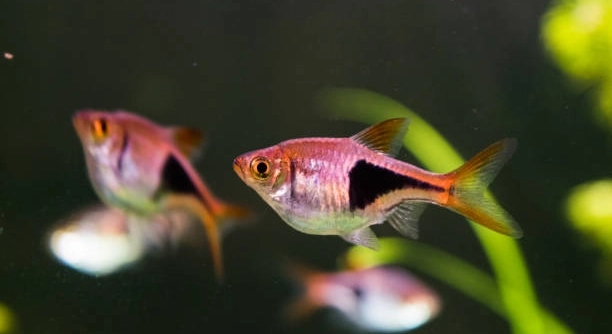
Are your rasboras suddenly flicking their tails in the tank? This behavior can be unsettling, especially if you’re not sure what it means or how to respond. Understanding their flicking is important to keep your fish healthy and comfortable.
When rasboras start flicking, it often indicates irritation from poor water quality, parasites, or stress. Immediate action involves checking water parameters, performing partial water changes, and inspecting fish for signs of disease or injury to prevent further harm.
Recognizing the cause behind flicking will help you address the problem effectively and maintain a peaceful aquarium environment.
Common Causes of Rasbora Flicking
Rasboras flick their tails when something in their environment causes discomfort. Often, poor water conditions are the main reason. High levels of ammonia, nitrites, or nitrates can irritate their skin and gills. Stress from overcrowding or aggressive tank mates can also lead to flicking. Sometimes, parasites or fungal infections trigger this behavior. It is important to observe other signs like clamped fins, spots, or lethargy to identify if illness is involved. Regular water testing and maintaining stable parameters help reduce flicking caused by environmental stress. Also, sudden changes in water temperature or pH can unsettle rasboras. Feeding them high-quality food and avoiding overfeeding supports their overall health. Keeping the tank clean and well-maintained plays a key role in preventing flicking due to discomfort.
Checking the water quality and observing your fish closely are essential first steps. Early detection helps avoid worsening problems.
A balanced tank environment where water quality is stable and stress is minimal will keep your rasboras calm and reduce flicking behavior. Consistency is key to their wellbeing.
How to Improve Your Tank Conditions
Start by testing your tank water with reliable test kits for ammonia, nitrite, nitrate, and pH levels. Adjustments should be made gradually to avoid shocking the fish. Perform partial water changes of 20-30% weekly to maintain cleanliness. Avoid overcrowding by ensuring proper tank size and limiting the number of fish. Add plants and hiding spots to reduce stress and create a natural setting. Use a gentle filter to prevent strong currents that may irritate rasboras. Monitor the temperature closely, ideally between 72°F and 78°F, and keep it steady. Feed your fish a varied diet with quality flakes, pellets, and occasional live or frozen foods to strengthen their immune systems. Avoid sudden changes in lighting or decorations that might upset the fish. These steps create a stable environment that helps reduce flicking and keeps your rasboras healthy.
Identifying Parasites and Illness
Parasites are a common reason rasboras flick their tails. Look for small white spots, redness, or scratching against objects.
Parasites like ich or flukes attach to the fish’s skin or gills, causing irritation and flicking. Treatment involves quarantining affected fish and using medicated baths or aquarium-safe medications. Always follow the instructions carefully to avoid harming beneficial bacteria in the tank. Early treatment is important to prevent spreading and worsening of the condition.
Illnesses such as fungal or bacterial infections also cause flicking. These often show as discoloration, sores, or clamped fins. Improving water quality and applying appropriate medications can help clear infections. Regular observation helps catch problems before they become severe.
Stress Factors and Behavior
Stress can make rasboras flick their tails even without illness. Changes in environment, aggressive tank mates, or overcrowding raise stress levels.
Removing aggressive fish and providing plenty of hiding spaces helps reduce stress. Avoid sudden changes in lighting, temperature, or decorations, as these can startle the fish. Maintaining a calm environment encourages natural behavior and decreases flicking. Monitor interactions closely to ensure all fish coexist peacefully.
Keeping the tank environment predictable and stable helps rasboras feel secure. Stress reduction is often enough to stop flicking when illness is not present. Regular maintenance and gentle care go a long way toward a happy tank.
Quick First Steps to Take
If your rasboras start flicking, begin by testing the water for any imbalances. Partial water changes can quickly improve conditions.
Remove any obvious stressors like aggressive tank mates or strong currents. Observe your fish closely for signs of illness or injury.
Monitoring and Ongoing Care
Keep a close eye on your rasboras after taking initial steps. Regularly check water parameters to ensure they stay within safe ranges. Maintain a consistent feeding schedule with quality food to support their health. Watch for any changes in behavior or appearance that might signal lingering problems. Gradually improve the tank environment if needed, adding plants or hiding spots. Consistency in care and attention can prevent flicking from returning and help your fish thrive over time.
When to Consult a Professional
If flicking continues despite your efforts, consulting an aquatic veterinarian or experienced fishkeeper is advised.
FAQ
Why do rasboras flick their tails?
Rasboras flick their tails mainly due to irritation or discomfort. This can be caused by poor water quality, parasites, or stress. Flicking is a way for them to try to relieve the irritation. It’s important to check water parameters and observe the fish for other signs of illness or stress.
Can flicking be harmful to rasboras?
While flicking itself is not directly harmful, it is usually a sign that something is wrong. If the cause isn’t addressed, ongoing irritation or stress can weaken the fish and lead to illness. Treating the underlying problem quickly is key to preventing harm.
How do I know if flicking is caused by parasites?
Look for small white spots, redness, or if the fish are rubbing against tank decorations. These are common signs of parasites like ich or flukes. Sometimes flicking comes with clamped fins or lethargy. A microscope or expert help may be needed to confirm parasites.
What water conditions are ideal for rasboras?
Rasboras thrive in clean water with stable temperature between 72°F and 78°F. The pH should be around 6.5 to 7.5, and ammonia, nitrite, and nitrate levels should be kept very low. Regular water testing and partial water changes keep these conditions stable.
How often should I change the water if my rasboras flick?
If flicking occurs, partial water changes of 20-30% every few days can help improve water quality quickly. Once conditions stabilize, weekly partial changes are usually enough. Avoid changing too much water at once to prevent stressing the fish further.
Can tank mates cause flicking behavior?
Yes, aggressive or overly active tank mates can stress rasboras, causing them to flick their tails. Ensure your tank has peaceful fish that coexist well. Provide plenty of hiding spots to reduce conflicts and create a calm environment.
Is flicking a sign of poor diet?
While flicking is less often caused by diet, poor nutrition weakens the immune system, making fish more susceptible to irritation and disease. Feeding a balanced diet with high-quality flakes, pellets, and occasional live or frozen foods supports their health.
When should I use medication for flicking?
Medication is needed if parasites or infections are confirmed or strongly suspected. Always diagnose carefully before treatment. Using medicine unnecessarily can harm beneficial bacteria and cause other problems. Quarantine sick fish when possible during treatment.
How long does it take for flicking behavior to stop?
If flicking is caused by water quality or mild stress, improvements can be seen within a few days after changes. Parasite or illness-related flicking may take one to two weeks or longer with treatment. Patience and consistent care are important.
Can flicking occur in newly introduced fish?
New fish can flick as they adjust to their new environment. Stress from transportation and unfamiliar water conditions often causes this. Keeping new arrivals in quarantine and slowly acclimating them helps reduce flicking from stress.
Are certain rasbora species more prone to flicking?
Some species may be more sensitive to water changes or stress, but flicking can occur in any rasbora if conditions are poor. Knowing your specific species’ needs helps prevent problems and keeps them comfortable.
What should I do if I see other symptoms besides flicking?
Symptoms like clamped fins, loss of appetite, unusual swimming, or spots indicate illness or parasites. These require quick action to test water and treat appropriately. Ignoring these signs may worsen your fish’s condition.
Is flicking normal behavior sometimes?
Occasionally, brief flicking during feeding or activity can be normal. However, persistent flicking usually signals an issue. Watching the frequency and other signs helps determine if intervention is needed.
Can flicking cause physical damage to the fish?
Repeated flicking itself doesn’t cause injury, but fish rubbing against rough surfaces to relieve irritation can result in damaged fins or skin. Ensuring smooth decorations and good water quality reduces this risk.
What role does tank maintenance play in preventing flicking?
Regular tank cleaning, water changes, and filter maintenance keep water quality high. This lowers the chance of irritation or disease that causes flicking. Good maintenance supports a healthy environment for rasboras.
Can temperature fluctuations cause flicking?
Sudden or frequent changes in temperature stress rasboras and can lead to flicking. Maintaining a stable temperature within their preferred range is essential to prevent discomfort and stress.
How do I safely acclimate new rasboras?
Slow acclimation by gradually mixing tank water with the transport water over a couple of hours helps reduce stress. Avoid sudden changes in temperature or water chemistry that might trigger flicking.
Is flicking more common in certain tank setups?
Tanks with poor filtration, lack of plants, or strong water currents often cause more flicking. Providing a gentle flow, plenty of plants, and stable conditions helps rasboras feel secure.
What signs show flicking has been resolved?
Fish stop flicking their tails frequently and return to normal swimming and feeding patterns. Clear, bright coloration and active behavior are good indicators that the problem is resolved.
Rasboras flicking their tails can be a clear sign that something in their environment needs attention. This behavior often points to discomfort caused by water quality issues, parasites, or stress. Paying close attention to their actions helps catch problems early before they worsen. Keeping the tank clean and stable with regular water tests is important for preventing flicking. Small, consistent efforts in tank maintenance make a big difference in keeping your fish healthy and comfortable.
It is also crucial to observe your rasboras carefully for any other signs of illness, such as spots, clamped fins, or unusual swimming patterns. When flicking is linked to parasites or infections, treatment with the right medications is necessary. Avoid rushing into medication without a proper diagnosis, as unnecessary treatments can disrupt the tank’s balance. When stress causes flicking, removing aggressive tank mates and providing plenty of hiding places can calm your fish. Creating a peaceful environment is often enough to stop flicking when illness is not involved.
Taking care of rasboras means maintaining stable water parameters, offering a balanced diet, and monitoring their behavior closely. Flicking is usually a sign that something needs to be fixed, but with patience and proper care, most problems can be resolved. A healthy tank setup supports your rasboras’ wellbeing and reduces stress that leads to flicking. Remember, consistent attention and small adjustments go a long way in creating a safe and comfortable home for your fish.

Hello,
If you enjoy the content that we create, please consider saying a "Thank You!" by leaving a tip.
Every little bit helps us continue crafting quality advice that supports the health, happiness, and well-being of pets around the world, for pets of all shapes, sizes, and species.
We really appreciate the kindness and support that you show us!