
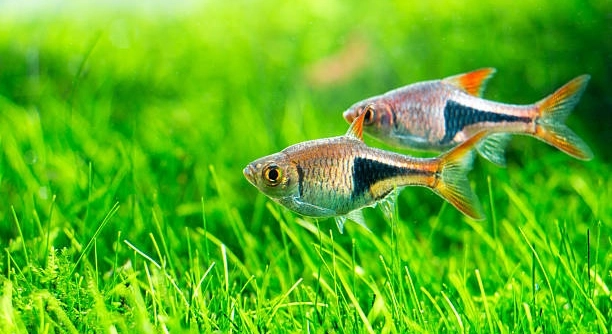
Have you ever noticed your rasbora swimming in strange ways and started to worry something might be wrong in the tank?
The most common reason rasboras swim in reverse is a problem with their swim bladder, which affects buoyancy. This issue can be caused by poor water conditions, injury, or digestive problems related to overfeeding or improper diet.
Understanding what triggers this behavior can help you fix the issue and protect your rasbora’s health moving forward.
What Causes Rasboras to Swim in Reverse
Swim bladder disorder is one of the main reasons rasboras start swimming backward. The swim bladder helps fish stay balanced in the water. When it gets damaged or inflamed, fish may lose control of how they float or swim. This issue can come from overfeeding, constipation, poor water quality, or sudden changes in tank conditions. Sometimes, the problem is linked to infections or injuries. A rasbora swimming in reverse is likely struggling with orientation and control. You might also notice them swimming sideways, floating upside down, or having trouble reaching the surface. It’s not normal behavior and shouldn’t be ignored. While it may look unusual, it’s actually a sign that the rasbora needs help. Spotting the problem early can make a big difference. If the issue is related to diet or water conditions, it’s usually possible to fix it. Always pay attention to small changes in your rasbora’s swimming patterns.
Noticing this behavior can be upsetting, especially if your fish was active and healthy just days ago.
Aside from swim bladder issues, neurological problems and stress from environmental changes can also affect swimming. These can come from sudden water temperature shifts, loud noises, or tank aggression. Watching your rasbora closely will help you understand what might be affecting them.
What You Can Do About It
Start by checking the tank’s water parameters. Poor water quality stresses rasboras and weakens their immune systems, making them more prone to swim bladder issues.
Test the water for ammonia, nitrite, nitrate, and pH. Make sure the levels are stable and safe. Clean the tank if waste has built up, and perform a partial water change if needed. Avoid overfeeding. Offer smaller meals once or twice daily, and fast your rasbora for a day or two if you suspect constipation. You can also try feeding a small amount of blanched pea, which may help clear out the digestive system. If the problem doesn’t go away, separate the rasbora into a hospital tank and monitor closely. Add an air stone for extra oxygen and keep the water warm and clean. If symptoms continue, you might need help from a vet who specializes in fish. Catching the issue early and making small changes can help your rasbora get back to normal.
How to Prevent It from Happening Again
Keep the tank clean and stable. Rasboras are sensitive to changes in water quality, and dirty water can lead to health issues like swim bladder problems. Regular maintenance is key to keeping them healthy and active.
Check water parameters weekly using a test kit, and do partial water changes of about 25% every 7–10 days. Clean the filter monthly without using soap, and avoid overfeeding. Stick to high-quality flakes or micro pellets, and feed just enough for them to finish in two minutes. Provide a calm tank environment with gentle filtration and plenty of space for swimming. Sudden changes in lighting or temperature should also be avoided. Rasboras prefer consistency and low-stress conditions. Keep tank mates peaceful, and avoid overcrowding. Watching their behavior helps you spot problems early. Little habits, like adjusting your feeding routine or trimming down how often lights turn on and off, can help prevent future issues.
Feeding high-fiber foods occasionally is helpful. It supports digestion and reduces the chance of constipation, which often leads to buoyancy issues. You can offer shelled peas once a week or rotate in some daphnia. These help keep their systems moving and support overall health. A healthy diet paired with good water conditions can prevent many problems.
When to Be Concerned
If your rasbora keeps swimming in reverse for more than a few days and shows other signs like bloating or lack of appetite, something more serious may be going on. It could be an infection or internal damage.
Look for symptoms like clamped fins, discolored patches, or floating near the surface without movement. These signs point to more than just a minor swim bladder issue. If the rasbora isolates itself, breathes heavily, or avoids food, that’s another red flag. Long-term stress or illness can weaken your fish and make recovery harder. Moving the fish to a separate tank with clean, warm water helps reduce stress while you observe it. If no improvement is seen after a few days, it may be time to consult a vet who works with aquatic animals. Medication might be needed, especially if a bacterial or parasitic infection is suspected. The sooner you act, the better the chance of recovery.
Common Mistakes to Avoid
Overfeeding is one of the most frequent mistakes. Rasboras have small stomachs, and extra food often goes uneaten, decaying in the tank and affecting water quality. This leads to stress and can trigger swim bladder problems or other health concerns.
Skipping routine maintenance is another issue. Dirty filters, rising ammonia levels, or sudden pH shifts can go unnoticed until your rasbora shows symptoms. Keeping up with water changes and testing avoids these problems and keeps your fish in better shape.
Best Tank Conditions for Rasboras
Rasboras do best in tanks with stable temperatures between 72°F and 78°F, with a pH of 6.5 to 7.5. Soft to slightly hard water is ideal. Keep the tank peaceful and well-planted, with open space for swimming. Use a gentle filter to avoid strong currents. Bright lighting isn’t necessary—moderate light levels help keep them calm. Aim for at least a 10-gallon tank for a small group, and avoid overcrowding. Provide hiding spots using plants or small decorations to make them feel safe. A quiet, stable environment with good nutrition helps prevent many behavior and health problems, including reversed swimming.
Final Thoughts
Catching small signs early and keeping their tank stable can make a big difference for your rasbora’s health.
FAQ
Why would my rasbora suddenly start swimming backward?
The most common reason is swim bladder disorder, which affects the fish’s ability to control how it floats or swims. This can happen from overfeeding, poor water conditions, or digestive issues. In some cases, sudden environmental changes like temperature shifts or a stressful tank setup may also lead to unusual swimming. If the behavior starts suddenly, check your tank’s water parameters and observe the fish for other symptoms. Reversed swimming is not normal and usually points to an underlying issue that needs attention. Early care can often prevent it from getting worse.
Can a rasbora recover from swim bladder issues?
Yes, many rasboras recover if the cause is caught early. Simple changes like improving water quality, adjusting feeding routines, and reducing stress can help. If the issue is due to constipation, fasting the fish for a day or two or feeding a bit of blanched pea may relieve the problem. However, if it’s due to infection or internal damage, medication or veterinary help may be needed. Keep your fish in a calm, clean environment and monitor closely. Recovery depends on how early you act and how well the rasbora responds to changes in care.
What should I feed a rasbora with swim bladder problems?
Start with a fast for 24–48 hours to allow the digestive system to rest. After that, feed a small amount of blanched, shelled pea—cut into tiny pieces. Peas are high in fiber and help move food through the digestive tract. You can also offer daphnia, which acts as a natural laxative. Avoid flakes or pellets until the rasbora swims normally again, as dry food can expand in the stomach and make the condition worse. Once recovered, return to a balanced diet of high-quality micro pellets or flakes, and feed only small amounts once or twice a day.
Is reversed swimming always caused by illness?
No, but it’s usually a sign that something is wrong. Sometimes, fish may swim in odd patterns due to temporary disorientation or stress. This can happen if they’ve been recently moved or if something changed in the tank, like lighting or water flow. However, if the behavior lasts longer than a few hours or is paired with other signs like floating, bloating, or clamped fins, it’s best to treat it seriously. Long-term reversed swimming usually points to an internal issue, and the fish should be monitored closely and given supportive care.
Can poor tank mates cause reversed swimming?
Yes, aggressive or overly active tank mates can stress out rasboras. Stress affects their immune system and digestion, making them more likely to develop health problems. Rasboras do best in peaceful community tanks with fish that have similar temperaments. Avoid placing them with fin-nippers or larger, aggressive species. If your rasbora is being chased or hiding often, that stress could be contributing to strange swimming patterns. Creating a calm, balanced environment can prevent these problems and support your rasbora’s well-being.
Should I move my rasbora to another tank if it swims backward?
It’s a good idea to separate the rasbora if it continues to swim in reverse or shows other symptoms like bloating or labored breathing. Use a clean, cycled quarantine tank with a gentle filter and stable temperature. This gives your rasbora a calm space to recover without being bothered by other fish. It also helps prevent possible illness from spreading. In this tank, it’s easier to observe behavior, control feeding, and add treatment if needed. Keep the water clean and make small, careful adjustments based on how the fish responds.
What kind of filter is best for rasboras with swim issues?
Use a sponge filter or another low-flow filter that creates gentle water movement. Rasboras struggling with balance or orientation will have a hard time swimming against strong currents. A gentle filter keeps the water oxygenated without making it harder for the rasbora to swim or rest. If your current filter is too strong, adjust the flow setting or add a sponge to the outlet to soften the stream. Calm water helps your fish conserve energy and recover faster.
How do I tell if it’s a swim bladder issue or something else?
Swim bladder issues usually cause trouble with buoyancy—floating too much, sinking, or swimming upside down or backward. If your rasbora still eats and shows no other signs of illness, it may just be a mild case. But if the fish also shows signs like clamped fins, pale coloring, bloating, or rapid breathing, something more serious may be going on. It could be an infection or internal damage. Watching the fish’s behavior closely and checking water quality will help you decide what steps to take next.
Final Thoughts
Rasboras swimming in reverse is not something that should be ignored. While it might seem unusual or even a little amusing at first, it usually means there’s a problem that needs attention. Most of the time, the issue is related to the swim bladder, which helps fish stay balanced in the water. Swim bladder problems are often caused by poor water conditions, overfeeding, or stress. In some cases, it can be a sign of a more serious issue, like an infection or internal injury. That’s why it’s important to watch for other signs like bloating, strange floating, or changes in appetite. These small clues can help you figure out what’s wrong and take action early.
Keeping your tank in good shape is one of the best ways to prevent this from happening. Regular water changes, stable temperature, and gentle filtration all help support healthy fish. Feeding your rasboras the right way also matters. Give them small portions of high-quality food, and avoid overfeeding. Once a week, you can offer high-fiber foods like peas or daphnia to support digestion. If your rasbora already shows signs of reversed swimming, try removing it from the main tank and placing it in a separate tank where it can rest and recover in clean, calm water. Often, a few small changes can make a big difference in how quickly your fish gets better.
Paying close attention to your rasbora’s daily behavior is important. Fish don’t show pain or sickness the way other animals do, so swimming in reverse is often one of the first signs you’ll see. If the behavior lasts more than a day or two, take the time to test your water, adjust feeding, and clean the tank if needed. It’s okay to feel unsure at first, especially if you’ve never seen something like this before. But the good news is that many rasboras recover when given the right care. They are peaceful, active fish that can thrive in a well-maintained tank. Helping them stay healthy doesn’t have to be complicated—it just takes some consistency, patience, and a little observation.

Hello,
If you enjoy the content that we create, please consider saying a "Thank You!" by leaving a tip.
Every little bit helps us continue crafting quality advice that supports the health, happiness, and well-being of pets around the world, for pets of all shapes, sizes, and species.
We really appreciate the kindness and support that you show us!