
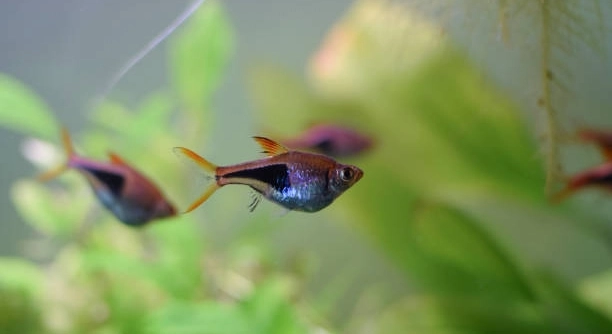
Many aquarium enthusiasts enjoy keeping Rasboras for their vibrant colors and lively behavior. These small schooling fish naturally prefer company and thrive when encouraged to socialize. Understanding how to promote their social interaction can improve their well-being and display.
Encouraging Rasbora socializing involves creating a suitable environment with proper tank size, adequate hiding spots, and compatible tank mates. Maintaining stable water conditions and providing a balanced diet further support their natural schooling behavior and reduce stress.
Effective socializing techniques enhance the overall health and appearance of Rasboras. The following methods will guide you in fostering a harmonious and active community within your aquarium.
Provide Adequate Space and Group Size
Rasboras naturally swim in schools, so giving them enough room to move freely is essential. A crowded tank can cause stress and reduce their willingness to socialize. It’s best to keep at least six Rasboras together, as smaller groups often lead to shy or isolated behavior. A tank size of 20 gallons or more is ideal to support their activity and interactions. Additionally, open swimming areas encourage Rasboras to form tighter groups and display their natural schooling behavior. Avoid overcrowding with other species that might compete for space or cause agitation. Creating a spacious environment helps Rasboras feel secure and confident, leading to more visible and healthy social interactions.
Creating the right group size and providing enough swimming space encourages Rasboras to interact more naturally. Their schooling behavior depends on having companions and room to swim freely.
Ensuring adequate space and proper group size not only supports Rasbora socializing but also promotes their physical health. When Rasboras have enough room, they exhibit natural movements and reduce aggressive or stressed behavior. Grouping them in six or more allows for dynamic social patterns and a balanced pecking order, essential for their well-being. Carefully planning tank size and population helps maintain water quality, which is crucial for their vitality. This balance makes your aquarium visually engaging and contributes to a stable ecosystem where Rasboras thrive. Regular monitoring and adjustments ensure your fish continue to socialize effectively in a healthy environment.
Create a Comfortable Environment with Plants and Hiding Spots
Plants and decorations provide shelter and reduce stress for Rasboras. A well-planted tank offers places to hide, helping shy fish feel secure.
Adding live plants like Java moss or Anubias creates natural hiding spaces. Floating plants soften light and reduce glare, making fish less nervous. Hiding spots break lines of sight, encouraging Rasboras to explore and swim together safely. Including smooth rocks or driftwood adds complexity to their environment. Avoid sharp or rough decorations that can injure the fish. By mimicking their natural habitat, you encourage Rasboras to show natural social behaviors. A comfortable environment increases their confidence, leading to more active schooling and interaction.
Plants and shelter are essential for Rasboras to feel safe and engage socially. These elements reduce stress and encourage natural schooling habits, improving their overall behavior.
Maintain Stable Water Conditions
Stable water parameters are crucial for Rasbora health and social behavior. Sudden changes can stress them and reduce social activity.
Keeping consistent temperature, pH, and ammonia levels helps Rasboras feel secure. Use a reliable heater and regular testing kits to monitor conditions. Sudden fluctuations disrupt their comfort zone and may cause hiding or aggression. Stability supports their immune system and promotes natural interaction.
Regular water changes and filtration maintain water clarity and quality. Avoid overcrowding and remove uneaten food promptly to prevent waste buildup. Clean tanks encourage Rasboras to swim actively and stay engaged with the group. A stable environment reduces stress, which is key to promoting schooling and peaceful socializing.
Offer a Balanced Diet
Providing varied, nutritious food supports Rasbora health and energy, which encourages social behavior. Feeding quality flakes, frozen, and live foods meets their dietary needs.
A balanced diet with protein, vitamins, and minerals ensures Rasboras remain active and vibrant. Healthy fish are more likely to display natural schooling and socializing patterns. Include foods like brine shrimp, daphnia, and high-quality flakes or pellets. Feeding small amounts several times daily prevents overeating and reduces waste in the tank. Nutrition directly impacts behavior and coloration, making social groups more visually appealing and active.
Consistent feeding routines also create positive associations, encouraging Rasboras to gather and interact during feeding times. This interaction helps build their social bonds, reducing stress and promoting a lively tank environment.
Choose Compatible Tank Mates
Selecting peaceful tank mates prevents aggression and supports Rasbora socializing. Avoid species that may bully or stress them.
Compatible fish like small tetras or Corydoras catfish coexist well with Rasboras, creating a calm community. Aggressive or territorial species disrupt their schooling behavior and increase stress.
Use Gentle Lighting
Soft, diffused lighting mimics natural conditions and helps Rasboras feel secure. Bright or harsh lights can cause stress and hiding behavior.
Encourage Interaction Through Feeding
Feeding at consistent times encourages Rasboras to gather and interact. Using slow-sinking food promotes natural foraging and social behavior.
How many Rasboras should I keep together for proper socializing?
Rasboras are schooling fish that need to be kept in groups to feel secure and display natural behavior. Ideally, you should keep at least six Rasboras together. Smaller groups may cause them to become shy, stressed, or even aggressive toward each other. Larger groups create a more dynamic and active environment, helping them feel safe and encouraging natural schooling behavior. Keep in mind that your tank size should accommodate the number of fish comfortably. A 20-gallon tank or bigger is usually enough for six Rasboras. This setup helps maintain water quality and gives them enough room to swim freely.
What tank conditions help Rasboras socialize better?
Stable water conditions are critical for Rasbora health and socializing. They prefer a temperature between 72°F and 78°F (22°C to 26°C) and a slightly acidic to neutral pH around 6.5 to 7.0. Sudden changes in temperature or water chemistry can stress them, leading to less social interaction and hiding behavior. A good filtration system keeps the water clean and oxygenated, which supports their energy and schooling behavior. Regular water changes, about 20% weekly, help maintain these conditions. Keeping water parameters stable encourages Rasboras to interact confidently within the tank.
Can Rasboras live with other fish without affecting their socializing?
Yes, but choosing compatible tank mates is important. Rasboras get along best with peaceful, small to medium-sized fish that don’t compete aggressively for space or food. Avoid larger or territorial species, as they may intimidate Rasboras and disrupt their schooling. Suitable tank mates include small tetras, guppies, danios, and bottom dwellers like Corydoras catfish. These companions create a calm environment where Rasboras feel safe and can maintain social behavior. Introducing aggressive or fin-nipping fish may cause stress and reduce social interaction among Rasboras.
How does tank decoration affect Rasbora socializing?
Tank decorations like live plants, driftwood, and rocks provide hiding spots and break up lines of sight. This setup helps shy Rasboras feel secure and reduces stress. A planted tank mimics their natural habitat, encouraging exploration and group swimming. However, avoid overcrowding the tank with too many decorations, as Rasboras need open swimming areas to school properly. Floating plants can soften light and create shaded areas, further reducing stress. A balanced environment with both hiding spots and open spaces promotes more active and visible socializing.
What role does diet play in Rasbora social behavior?
A balanced diet keeps Rasboras healthy and energetic, which supports natural schooling and socializing. They need a mix of protein and plant-based foods. High-quality flakes, frozen foods like bloodworms or brine shrimp, and occasional live foods work well. Feeding small amounts several times a day prevents overeating and reduces waste in the tank. Nutritionally satisfied fish are more active and confident, encouraging social interaction. Feeding at consistent times can also create positive social experiences, as Rasboras gather and interact while searching for food.
How can lighting influence Rasbora socializing?
Gentle, diffused lighting is best for Rasboras. Bright or harsh lighting can make them nervous, causing them to hide or become less active. Soft lighting simulates their natural environment, helping them feel comfortable and secure. Using floating plants or adjusting light intensity can reduce glare and create shaded areas, encouraging Rasboras to swim openly and school together. Proper lighting helps maintain their natural rhythms and promotes peaceful social behavior within the tank.
What signs show that Rasboras are socializing well?
Healthy socializing Rasboras swim in coordinated groups, move actively throughout the tank, and display vibrant colors. They stay close to each other, change direction simultaneously, and appear calm rather than stressed. You won’t see much hiding or aggressive chasing within the group. When feeding, they gather and compete gently without signs of bullying. If Rasboras seem isolated, lethargic, or aggressive, it may indicate stress or unsuitable conditions that interfere with social behavior. Observing these signs helps you adjust care to promote better schooling.
What should I do if my Rasboras are not socializing?
First, check tank conditions like water parameters, temperature, and tank size. Make sure there are at least six Rasboras and that the tank has enough space. Review their diet and feeding schedule for proper nutrition. Inspect for aggressive tank mates or poor tank decoration that may cause stress. Adding more hiding spots or adjusting lighting can help. If problems persist, test for diseases or parasites, as sick fish often isolate themselves. Addressing these factors one by one usually improves their social behavior over time. Patience and careful observation are key.
Encouraging Rasbora socializing requires attention to several key factors that influence their comfort and behavior. Providing enough space and keeping them in groups of six or more supports their natural schooling instincts. Creating a balanced environment with plants, hiding spots, and gentle lighting helps reduce stress and makes them feel secure. Stable water conditions and a nutritious diet play important roles in maintaining their health and energy, which in turn encourages social interaction. Paying attention to these details creates a peaceful tank where Rasboras can thrive and show their lively, group behavior.
Choosing compatible tank mates is also crucial to maintaining a harmonious community. Peaceful species that do not compete aggressively allow Rasboras to interact naturally without fear or stress. Overcrowding or introducing aggressive fish can disrupt their social patterns and cause unwanted tension in the tank. Consistent feeding routines and slow-sinking foods promote gathering and interaction, which further strengthens their social bonds. These combined efforts help create an environment where Rasboras feel confident and active, displaying the beautiful schooling behavior they are known for.
Overall, fostering Rasbora socializing is about understanding their natural needs and providing conditions that support their well-being. It involves regular care, observation, and adjustments to the tank environment to keep them comfortable and engaged. By focusing on group size, tank setup, water quality, diet, and compatible companions, you can help your Rasboras develop strong social connections. This not only improves their health but also enhances the visual appeal and activity level of your aquarium, making it a rewarding experience to maintain.

Hello,
If you enjoy the content that we create, please consider saying a "Thank You!" by leaving a tip.
Every little bit helps us continue crafting quality advice that supports the health, happiness, and well-being of pets around the world, for pets of all shapes, sizes, and species.
We really appreciate the kindness and support that you show us!