
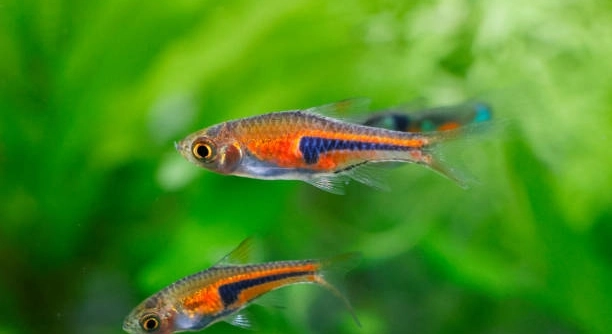
Rasboras are small, peaceful fish commonly found in home aquariums. Their calm and social nature makes them popular among fish keepers who appreciate gentle, non-aggressive species. Observing their behavior can provide insight into a tranquil aquatic environment.
Rasbora behavior reflects peace through their schooling patterns, minimal territorial disputes, and consistent social interactions. Their non-aggressive tendencies and cooperative swimming indicate a balanced ecosystem, contributing to the overall harmony within their habitat.
Understanding these peaceful traits helps aquarists create a stable environment that supports the well-being of rasboras and other tank inhabitants.
Understanding Rasbora Social Behavior
Rasboras naturally swim in groups called schools, which helps them feel safe and reduces stress. Watching them move together in unison shows their instinct to stay connected. This social behavior keeps the group calm and coordinated. When they are comfortable, you’ll notice less frantic movement or hiding. Rasboras avoid conflict by maintaining clear personal space within the school, which reduces aggression. They communicate through subtle body language and swimming patterns, often following a leader. This harmony is important because it creates a peaceful atmosphere in the aquarium. A well-maintained tank with stable water conditions supports these behaviors, helping the fish thrive. By understanding these social traits, caretakers can provide environments that promote calm and healthy interactions among rasboras.
Schooling helps rasboras feel secure and prevents stress, which leads to their peaceful behavior in community tanks.
Creating the right space for schooling is essential. A tank with ample room and plants allows rasboras to swim freely and maintain their group dynamics. Overcrowding or poor water quality can disrupt their social order, causing stress and aggression. Adding other peaceful fish species that do not compete for the same territory also helps keep the aquarium balanced. By replicating their natural habitat, including gentle water flow and hiding spots, the fish are more likely to display peaceful schooling behavior. This careful setup encourages their calm interactions and enhances the overall tranquility of the tank.
The Role of Environment in Rasbora Peacefulness
A stable environment is crucial for maintaining rasbora peace. Sudden changes in temperature, pH, or lighting can cause stress, disrupting their calm nature. Rasboras respond best to consistent conditions that mimic their natural habitat. Proper filtration and regular water changes keep the tank clean, reducing potential irritants. Providing plants and decorations offers shelter, making them feel secure. Light levels should be moderate to avoid startling the fish. When the environment supports their natural rhythms, rasboras remain relaxed and social. This leads to less fighting and more visible schooling behavior, which benefits all aquarium inhabitants.
Peaceful behavior in rasboras depends heavily on stable, natural-like tank conditions.
Maintaining ideal water parameters such as temperature between 72-79°F, soft to moderately hard water, and a neutral pH keeps rasboras comfortable. Avoid overcrowding, as this increases competition and stress. Gentle water movement mimics streams where rasboras thrive. Including live plants not only adds shelter but also improves water quality. Regular monitoring and care reduce stress triggers, allowing rasboras to display their characteristic peaceful schooling. Attentiveness to the environment directly influences their well-being and social harmony within the tank.
Signs of Stress in Rasboras
Stress in rasboras often shows through changes in behavior or appearance. They may stop schooling, hide frequently, or lose color. Rapid gill movement and erratic swimming are also common signs. Identifying stress early helps prevent illness and restores peace in the tank.
Stress weakens the immune system, making rasboras vulnerable to disease. Causes include poor water quality, overcrowding, sudden changes in temperature, and aggressive tank mates. When stressed, rasboras often isolate themselves from the group and lose their usual active swimming patterns. It’s important to test water parameters regularly and ensure the environment remains stable. Introducing too many new fish at once can also disrupt their comfort, leading to prolonged stress. By addressing these factors promptly, the peaceful nature of rasboras can be preserved.
Providing hiding spots and maintaining a quiet environment reduces stress. Avoid sudden changes in tank conditions, as rasboras prefer predictability. Keeping the tank clean and avoiding overcrowding ensures they have enough space to swim and school freely. Gentle water flow mimics their natural habitat, supporting calm behavior. Observing these signs and conditions regularly can help you maintain a peaceful tank where rasboras feel safe and behave naturally.
Compatibility with Other Fish
Rasboras do well with other peaceful fish that share similar water needs. Avoid aggressive or very large fish, as they may intimidate or harm rasboras. Ideal tank mates include tetras, small gouramis, and peaceful bottom dwellers.
Mixing rasboras with compatible species encourages calm community dynamics. When tank mates have similar size and temperament, aggression is minimized. Avoid fast or territorial fish that could disrupt rasbora schooling behavior. Choosing species that occupy different tank levels also reduces competition for space. Providing plants and hiding spots allows all fish to establish territories without conflict. Proper selection of companions helps maintain the peaceful atmosphere that rasboras need to thrive.
Feeding Habits of Rasboras
Rasboras are small omnivores that eat a variety of foods. They prefer tiny live or frozen foods like daphnia, brine shrimp, and micro worms. Flakes and pellets can also be part of their diet.
Feeding small amounts two to three times a day prevents overfeeding. Uneaten food should be removed to maintain water quality and prevent stress. Balanced nutrition helps keep rasboras healthy and active.
Tank Setup Essentials
A proper tank setup includes plants, open swimming areas, and gentle water flow. Live plants provide hiding spots and improve water quality. A minimum of 10 gallons is recommended for a small school of rasboras.
Water Quality Requirements
Stable water parameters are key for rasbora health. Keep temperature between 72°F and 79°F with a neutral pH. Soft to moderately hard water supports their natural needs. Regular testing ensures these conditions remain consistent.
FAQ
How many rasboras should I keep together?
Rasboras are schooling fish that feel safest in groups of at least six. Smaller groups may lead to stress or shy behavior. Keeping six or more allows them to display natural social patterns and reduces aggression. Larger groups also create a more visually appealing and peaceful tank environment.
What temperature do rasboras prefer?
Rasboras thrive in temperatures between 72°F and 79°F. Maintaining a stable temperature within this range supports their metabolism and overall health. Sudden changes or extremes in temperature can cause stress, leading to illness and disrupted behavior.
Are rasboras good for community tanks?
Yes, rasboras are excellent community fish due to their peaceful nature. They get along well with other small, non-aggressive species that share similar water requirements. Avoid housing them with large or aggressive fish to keep stress levels low.
What do rasboras eat?
Rasboras have an omnivorous diet that includes small live, frozen, and prepared foods. They enjoy daphnia, brine shrimp, micro worms, flakes, and pellets. Feeding a variety of foods ensures balanced nutrition and vibrant colors.
How often should I feed rasboras?
Feed rasboras two to three times daily with small portions. Overfeeding can cause water quality issues and health problems. Remove uneaten food to prevent tank pollution and keep fish healthy.
What signs indicate rasboras are stressed?
Signs of stress include hiding, loss of color, erratic swimming, and rapid gill movement. Stress often results from poor water quality, overcrowding, or aggressive tank mates. Early detection and correction of these issues can restore calm behavior.
Can rasboras live with other fish?
Rasboras live peacefully with other small, gentle fish like tetras and small gouramis. Choose tank mates with similar size and temperament to avoid conflict. Providing plenty of hiding spaces also helps maintain harmony.
How big do rasboras get?
Most rasboras grow to about 1.5 to 2 inches long. Their small size makes them suitable for community tanks and easier to care for than larger fish species.
How often should I change the water?
Perform partial water changes of 20-30% weekly to maintain water quality. Regular water changes help remove waste and toxins that stress rasboras and other tank inhabitants.
Do rasboras require special lighting?
Moderate lighting is best for rasboras. Too bright or fluctuating light can cause stress. Live plants benefit from adequate light, which also provides shelter and improves the tank environment.
How can I encourage rasboras to school?
Provide enough space and keep at least six individuals together. Avoid sudden changes in tank setup, and maintain stable water conditions. A calm environment encourages natural schooling behavior.
Are rasboras sensitive to water changes?
Rasboras prefer gradual changes rather than sudden shifts in water parameters. Always match new water temperature and chemistry closely to the tank to reduce stress during water changes.
What tank size is recommended for rasboras?
A minimum 10-gallon tank suits a small school of rasboras. Larger tanks offer more swimming space and better stability in water parameters, contributing to healthier, happier fish.
How long do rasboras live?
With proper care, rasboras can live 4 to 6 years. Stable water conditions, balanced diet, and stress-free environment all contribute to their longevity.
Can rasboras breed in a home aquarium?
Yes, rasboras can breed if conditions are right. They prefer soft, slightly acidic water and plenty of plants or spawning mops. Removing adults after spawning helps protect the eggs from being eaten.
What should I do if one rasbora is sick?
Isolate the sick fish in a quarantine tank to prevent spreading illness. Test water parameters and improve tank cleanliness. Consult a vet or specialist for diagnosis and treatment options to protect the school’s health.
Rasboras are peaceful fish that bring calm and balance to a community aquarium. Their natural behavior of schooling and gentle interactions make them a favorite for many who want a serene tank environment. Understanding their needs and habits helps maintain their peaceful nature. Providing a stable environment with proper water quality, suitable tank mates, and a balanced diet supports their health and well-being. These fish thrive best when their natural behaviors are respected, such as swimming in groups and having enough space to move freely.
Creating a tank that meets the specific needs of rasboras is important for their comfort and peace. They need consistent water temperature, moderate lighting, and enough hiding spots to feel secure. Avoiding overcrowding and aggressive fish reduces stress and maintains harmony within the tank. Watching rasboras interact calmly in their school can be rewarding, but it requires careful attention to their environment. Keeping the water clean through regular changes and monitoring water parameters helps prevent stress and illness, allowing rasboras to display their peaceful behavior fully.
In summary, rasboras’ peaceful nature is a result of both their social instincts and the environment provided by their caretaker. Maintaining stable conditions and avoiding sudden changes are key to preserving their calm temperament. Their behavior serves as an indicator of tank health and balance. When cared for properly, rasboras not only add beauty but also promote a peaceful atmosphere in any aquarium. This makes them a suitable choice for those seeking low-maintenance, sociable fish that contribute to a tranquil aquatic setting.

Hello,
If you enjoy the content that we create, please consider saying a "Thank You!" by leaving a tip.
Every little bit helps us continue crafting quality advice that supports the health, happiness, and well-being of pets around the world, for pets of all shapes, sizes, and species.
We really appreciate the kindness and support that you show us!