
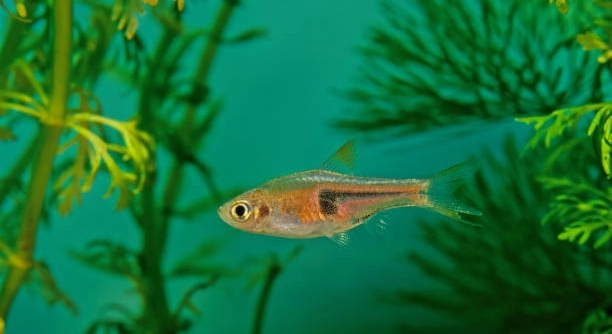
Many aquarium owners notice that rasboras tend to stay near the edges of the tank rather than swimming in the center. This behavior can sometimes be puzzling for those trying to create a balanced and lively aquarium environment. Understanding why rasboras avoid the tank center can help improve their comfort and well-being.
Rasboras avoid the tank center mainly because they feel more vulnerable in open spaces. The edges provide shelter and a sense of security, reducing stress from potential threats and helping them feel safer in their environment.
Learning about these natural habits can improve how you set up your aquarium. Creating a safe and comfortable space for your rasboras will encourage them to explore more freely and thrive.
Natural Instincts and Safety
Rasboras are small, schooling fish that rely heavily on instinct to survive. In the wild, staying close to the edges or near plants helps them avoid predators. The open center of a tank feels exposed, making them more cautious and less likely to swim there. This instinct keeps them safer, even in a home aquarium where threats are minimal. Providing plenty of hiding spots, such as plants and decorations, mimics their natural habitat. This allows them to feel secure and reduces stress, which is important for their health. When they feel safe, rasboras show more natural behavior and become more active, often venturing toward the center gradually. Keeping water quality stable and maintaining a calm environment also encourages this confidence. Understanding this instinct helps you create a better space for your fish without forcing them into uncomfortable areas.
Keeping plants and decorations near tank edges helps rasboras feel safe and secure.
Creating an environment with natural hiding places supports rasboras’ instincts. It encourages them to explore more, eventually making the whole tank feel like a safe place. Over time, they will be less shy and more social, which makes watching them much more enjoyable.
Tank Setup and Environment
Rasboras prefer a tank layout that offers cover and clear boundaries.
A well-planned setup includes plants, rocks, or driftwood around the edges to give rasboras places to hide and rest. Open spaces in the center should be balanced with enough visual protection nearby. Lighting also affects their behavior; softer light helps reduce stress, while bright lighting can make them feel exposed. A calm water flow is preferable, as strong currents can drive them to stick to sheltered spots. Grouping rasboras in schools of six or more reduces fear and encourages natural swimming patterns. These environmental details help rasboras feel secure and more willing to explore the tank center over time. Adjusting the tank’s layout according to their needs improves their overall well-being and makes the aquarium more enjoyable for observers.
Social Behavior and Schooling
Rasboras are naturally social fish that feel safer when swimming in groups. Being part of a school reduces their stress and hesitation to move around. Alone, they tend to hide near the edges to avoid danger.
When rasboras swim in schools, they create a sense of security that encourages them to explore more of the tank. The presence of other fish provides comfort, reducing anxiety. This behavior is common in many small fish species, as there is safety in numbers. A group also helps them communicate and maintain social bonds, which is important for their well-being. Without enough companions, rasboras may feel vulnerable and prefer to stick close to hiding spots.
Schooling also helps balance activity within the tank. As rasboras move together, they naturally distribute themselves more evenly. This can gradually encourage some to venture into the open center. The more comfortable they feel, the more visible and active they become, making the aquarium more lively.
Stress Factors Affecting Movement
Stress in the aquarium can make rasboras avoid the center. Sudden noises, frequent tapping on the glass, or overly bright lights create an environment where rasboras seek refuge in corners. Stress reduces their willingness to explore.
Water quality also plays a big role in their comfort. Poor water conditions can make rasboras sluggish and cause them to hide more often. Regular maintenance, proper filtration, and stable temperature are essential for reducing stress. When conditions are ideal, rasboras feel more confident and active. Paying attention to these details ensures they spend more time swimming throughout the tank rather than hiding in the edges.
Lighting and Its Impact
Rasboras prefer dimmer lighting that mimics their natural habitat. Bright lights can make them feel exposed and stressed, causing them to avoid the center. Adjusting the lighting helps them feel more comfortable and encourages movement throughout the tank.
Using floating plants or shaded areas can soften harsh lighting. This creates a calmer environment, reducing stress and encouraging rasboras to explore more openly.
The Role of Tank Size
A properly sized tank gives rasboras enough space to swim freely without feeling crowded. Small tanks can increase stress, making them stick to edges for safety.
A larger tank with adequate hiding spots balances their need for security and open swimming areas. This setup supports healthy behavior and encourages exploration.
Importance of Plants and Decor
Plants and decor provide shelter and reduce the sense of vulnerability in open spaces. They are essential for rasboras’ comfort and confidence.
Adding these elements near the center can encourage rasboras to venture away from the edges more often.
FAQ
Why do rasboras prefer swimming near the edges rather than the center?
Rasboras instinctively seek safety in their environment. The edges of the tank offer shelter from perceived threats and provide hiding spots. The open center feels exposed and makes them vulnerable, so they naturally stay near boundaries or plants where they feel more secure.
Can rasboras be trained to swim more in the tank center?
While “training” fish isn’t the same as with pets like dogs, creating a safe and comfortable environment encourages rasboras to explore more freely. Gradually adding plants and decorations toward the center, lowering light intensity, and maintaining stable water conditions can help them feel less threatened and more confident to swim in the open.
Does tank size affect rasboras’ swimming habits?
Yes. Smaller tanks can make rasboras feel cramped and stressed, pushing them to stick close to edges. Larger tanks with plenty of hiding places and open areas balance their need for safety and room to swim. Proper tank size is key to encouraging natural movement.
How does schooling influence where rasboras swim?
Rasboras are social fish that feel safer in groups. When in a school, they are less fearful and more willing to explore the tank, including the center. Keeping at least six rasboras together helps reduce stress and promotes more active swimming behavior.
What role does lighting play in rasbora behavior?
Bright or harsh lighting can stress rasboras, making them hide near the edges or under plants. Softer, diffused lighting helps mimic their natural habitat, reduces stress, and encourages them to swim more openly throughout the tank.
Can poor water quality make rasboras avoid the center?
Absolutely. Poor water quality causes stress and discomfort, leading to less activity and more hiding. Regular water changes, proper filtration, and monitoring of parameters like temperature, pH, and ammonia levels ensure a healthy environment that encourages active swimming.
Are there specific tank decorations that help rasboras feel safe?
Yes. Dense plants, driftwood, and rocks placed along the edges provide hiding spots and shelter. Adding some of these elements near the center can also encourage rasboras to feel secure enough to swim there. Decorations should create visual barriers without crowding the tank.
Does tank noise affect rasbora behavior?
Loud noises or vibrations can stress rasboras and cause them to hide. Keeping the tank in a quiet area and avoiding tapping on the glass helps maintain a calm environment, allowing them to swim more confidently throughout the tank.
How often should the tank be cleaned to keep rasboras comfortable?
Regular maintenance is important. Partial water changes every week or two help maintain good water quality. Cleaning filters and removing debris reduce stress for the fish, promoting healthier behavior and encouraging them to explore the whole tank.
Can rasboras’ behavior indicate their health?
Yes. Rasboras that hide constantly or avoid open areas might be stressed or unwell. Active, schooling fish that swim throughout the tank usually indicate good health. Observing their movement patterns helps detect any early signs of illness or discomfort.
Rasboras are small, peaceful fish that rely on their natural instincts to feel safe in their environment. Their tendency to avoid the center of the tank is not unusual or harmful. Instead, it shows how important security is for them. The edges and areas with plants or decorations offer shelter and comfort. By understanding this behavior, you can better meet their needs and create a tank setup that makes them feel at ease. Giving rasboras plenty of places to hide and rest helps reduce their stress, which is essential for their health.
Setting up the tank with the right conditions plays a big role in how rasboras behave. Proper lighting, clean water, and enough space encourage them to be more active and explore different parts of the tank, including the center. Schooling is also important; these fish feel safer and more confident when they are in groups. Keeping at least six rasboras together helps them feel more secure and less likely to hide. A balanced environment that takes into account their natural instincts leads to happier, healthier fish.
Watching rasboras slowly become more comfortable and start to explore more of their tank is rewarding. Patience is key since they need time to adjust to their surroundings. Providing a calm, safe, and well-maintained space allows them to show their natural behavior. As you learn more about how rasboras live and move, you can create a better home for them. This will not only improve their well-being but also make your aquarium more enjoyable to watch every day.

Hello,
If you enjoy the content that we create, please consider saying a "Thank You!" by leaving a tip.
Every little bit helps us continue crafting quality advice that supports the health, happiness, and well-being of pets around the world, for pets of all shapes, sizes, and species.
We really appreciate the kindness and support that you show us!