
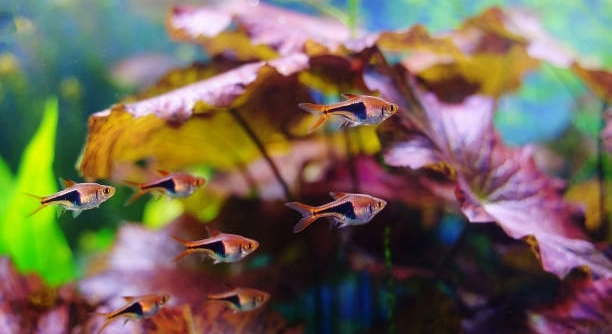
Many aquarium owners enjoy keeping Rasboras because of their peaceful nature and bright colors. These small fish add life and charm to home tanks. Sometimes, unexpected accidents like tank crashes can worry their caretakers.
Rasboras can survive a tank crash if the damage is minimal and quick care is provided. However, severe crashes causing water loss, injury, or stress often reduce their chances of survival. Prompt action and a calm environment improve recovery outcomes.
Learning how to respond properly after a tank crash can make all the difference for your Rasboras’ health. Understanding their needs during this time helps protect these delicate fish from lasting harm.
Immediate Effects of a Tank Crash on Rasboras
When a tank crashes, the sudden disturbance shocks Rasboras in many ways. The water may spill out, lowering oxygen levels and increasing stress. These fish are sensitive to changes in their environment, so a sudden drop in water or a jolt can cause physical injury or shock. Broken glass or objects inside the tank may also harm them. Even if the tank is not broken, the loud noise and vibrations alone can frighten the fish, causing erratic swimming or hiding. After a crash, it’s important to assess the damage quickly and gently handle any injured fish. Testing water quality right after is crucial, since debris or chemicals from the crash could affect the water’s safety. Stabilizing the tank environment and minimizing stress will give the Rasboras the best chance to recover and survive this sudden event.
After a crash, focus on calming the fish and restoring stable water conditions as quickly as possible.
Water changes and gentle care play a key role in helping Rasboras bounce back from these shocks.
How to Help Rasboras Recover After a Tank Crash
The first step after a tank crash is to move the Rasboras to a safe, temporary container with clean water. This reduces stress and risk of injury while you clean and repair the main tank. Use a water conditioner to remove chlorine and other harmful chemicals before returning the fish. Next, carefully clean the tank and remove any broken glass or debris. Test the water for ammonia, nitrites, and pH levels, as these can rise after a crash and harm the fish. Partial water changes can help keep conditions stable. Keep the tank in a quiet place to avoid further stress. Avoid feeding the fish for a day or two, as stress can affect their digestion. Watch for signs of injury or illness like torn fins or sluggish movement. With gentle care and stable water, Rasboras can often recover well from minor crashes. Keeping extra water and supplies ready for emergencies can also make future incidents easier to handle.
Preventing Tank Crashes
Preventing a tank crash starts with securing the tank properly. Ensure the aquarium is placed on a sturdy, level surface that can support its weight. Avoid high-traffic areas where it might get bumped or knocked over.
Check the stand or table regularly for any signs of wear or instability. Use non-slip mats or pads beneath the tank to keep it from sliding. Keep heavy objects and pets away from the tank area. Regularly inspect glass seams and fittings for cracks or weaknesses. Small preventive steps can reduce the risk of accidents and protect your Rasboras.
Even small vibrations or uneven surfaces can cause trouble, so paying attention to placement is key. Proper maintenance and care help keep the tank safe for everyone inside.
Signs of Stress in Rasboras After a Crash
Stress in Rasboras shows in several ways. They may swim erratically, hide more than usual, or appear lethargic. Loss of appetite and faded colors are common signs. These behaviors indicate the fish are uncomfortable or scared.
Sometimes, stress leads to physical issues like torn fins or rapid breathing. Watching for these signs helps catch problems early, allowing for quick intervention. Reducing noise and sudden movements near the tank can ease their anxiety. Maintaining stable water parameters and offering a calm environment supports their recovery.
If stress continues, consider consulting a vet or aquatic specialist to prevent illness. Early care improves Rasboras’ chances of bouncing back fully and maintaining good health.
Cleaning Up After a Tank Crash
Removing broken glass and debris is the top priority after a crash. Use gloves and a net to carefully gather pieces without disturbing the fish too much. Dispose of all sharp fragments safely.
Next, do a partial water change to clear out any dirt or contaminants. This helps keep water quality safe and reduces stress on Rasboras.
Monitoring Water Quality
Testing water parameters such as ammonia, nitrites, and pH is essential after any tank disturbance. Changes in these levels can be harmful or even deadly to Rasboras. Using a reliable test kit allows quick detection of problems.
If water conditions are off, perform small, frequent water changes to bring the environment back to normal. Avoid sudden, large changes as Rasboras are sensitive to fluctuations. Keeping the water stable supports healing and reduces stress after the crash.
Feeding After a Crash
Hold off on feeding for 24 hours after the crash to let the fish settle. This prevents further stress and potential digestive issues.
Once feeding resumes, offer small, light meals to avoid overfeeding and help Rasboras regain strength gradually.
FAQ
Can Rasboras survive if the tank water spills out completely?
Rasboras cannot survive without water, so if the tank spills out entirely, survival depends on how quickly they are moved to a safe, water-filled environment. Even short periods out of water can cause severe harm. It’s critical to act immediately and gently transfer them to a temporary container with clean, conditioned water.
How long does it take for Rasboras to recover after a minor tank crash?
Recovery time varies but typically ranges from a few days to two weeks. If water conditions are stabilized quickly and stress is minimized, Rasboras can regain normal behavior within days. Physical injuries may take longer to heal, and constant monitoring is important during this period.
What should I do if my Rasboras show signs of injury after a crash?
Separate injured fish into a quarantine tank if possible. Clean the water and maintain ideal conditions to prevent infections. You can use mild aquarium salt to help with healing, but avoid overdosing. If injuries seem severe or worsen, consult an aquatic vet for treatment advice.
Is it safe to keep Rasboras in a tank that has a small crack after a crash?
It is not safe to keep fish in a cracked tank because the glass could break further and cause injury or a bigger spill. Replace or repair the tank immediately. If you must use it temporarily, monitor it closely and move the fish as soon as possible.
Can stress from a tank crash cause long-term health problems for Rasboras?
Yes, prolonged stress weakens the immune system and can lead to diseases or early death. Chronic stress causes changes in behavior, feeding habits, and overall vitality. Providing a calm, stable environment helps reduce long-term effects and supports recovery.
How can I prevent my Rasboras from getting stressed in the future?
Maintain a quiet tank area with minimal vibrations or sudden movements. Keep water parameters stable with regular testing and changes. Avoid overcrowding and provide plenty of hiding spots. A peaceful, predictable environment keeps Rasboras comfortable and less likely to become stressed.
Are Rasboras more likely to survive a tank crash if they are in groups?
Rasboras are schooling fish, so being in groups helps reduce stress and provides safety in numbers. A group can calm each other during stressful events. However, survival still depends on the severity of the crash and care given afterward.
Should I change the tank water immediately after a crash?
Partial water changes are recommended soon after a crash to remove debris and maintain water quality. Avoid full water changes because sudden shifts in water chemistry can stress the fish. Small, frequent changes keep the environment stable.
What signs indicate my Rasboras are fully recovered?
Signs of recovery include normal swimming patterns, bright colors, regular appetite, and interaction with tank mates. They should no longer hide excessively or display erratic movements. Consistent healthy behavior over several days means they are on the mend.
Can I use medication to help Rasboras after a tank crash?
Medication is only necessary if there are signs of illness or infection. Using treatments unnecessarily can cause additional stress. Always consult an expert before administering medicine to ensure it’s safe for Rasboras and appropriate for the condition.
How important is water temperature during recovery from a crash?
Stable water temperature is very important. Sudden changes can shock Rasboras and worsen stress. Keep the tank temperature consistent within the ideal range of 72-78°F (22-26°C) to support healing and comfort.
What should I do if my Rasboras stop eating after a crash?
Loss of appetite is common due to stress. Give them a day or two without feeding, then offer small amounts of high-quality food. If they still refuse to eat after several days, check water quality and look for signs of illness, and consider seeking professional advice.
Are certain types of Rasboras more resilient to tank crashes?
Some species may tolerate stress better than others, but all Rasboras are generally sensitive to sudden changes. Larger or hardier species might cope slightly better, but proper care and quick response after an accident are key for any type.
Can Rasboras get injured by floating debris after a crash?
Yes, floating glass shards or decorations can injure fish. Removing all debris carefully after a crash prevents cuts or bruises. Keeping the tank clean and free from hazards reduces the risk of injury.
Is it necessary to change the filter media after a tank crash?
If the filter media is clogged with debris or damaged, replace it to maintain good water flow and quality. However, changing all media at once can disrupt beneficial bacteria. Replace only the damaged parts and monitor water parameters closely afterward.
When a tank crash happens, it can be a very stressful event for both the Rasboras and their caretakers. These small fish are delicate and sensitive to changes in their environment, so quick action is important. Making sure they are moved safely to clean water, checking the tank for damage, and stabilizing water quality all play a key role in their survival. Although a tank crash can cause injuries and stress, with proper care, many Rasboras have a good chance of recovering. Staying calm and attentive helps to give them the best support possible during this difficult time.
It’s important to remember that prevention is always better than dealing with a crash after it happens. Placing the tank on a strong, steady surface and keeping the area around it free from hazards can reduce the risk of accidents. Regularly inspecting the tank for any cracks or weak spots and avoiding sudden movements near the aquarium also helps protect your fish. By creating a safe and stable environment, you lower the chances of a crash and keep your Rasboras happy and healthy. These small efforts can make a big difference in the long run.
Finally, watching your Rasboras closely after an accident is essential. Look for signs of stress or injury and keep water conditions steady. Be patient, as recovery takes time and care. Avoid feeding too soon or making sudden changes that could upset the fish more. If problems continue, don’t hesitate to seek advice from experts or veterinarians who specialize in fish care. With attention and gentle care, Rasboras can often bounce back and continue to brighten your tank for a long time.

Hello,
If you enjoy the content that we create, please consider saying a "Thank You!" by leaving a tip.
Every little bit helps us continue crafting quality advice that supports the health, happiness, and well-being of pets around the world, for pets of all shapes, sizes, and species.
We really appreciate the kindness and support that you show us!